Visoka
Ricker, 1952
Species Guides
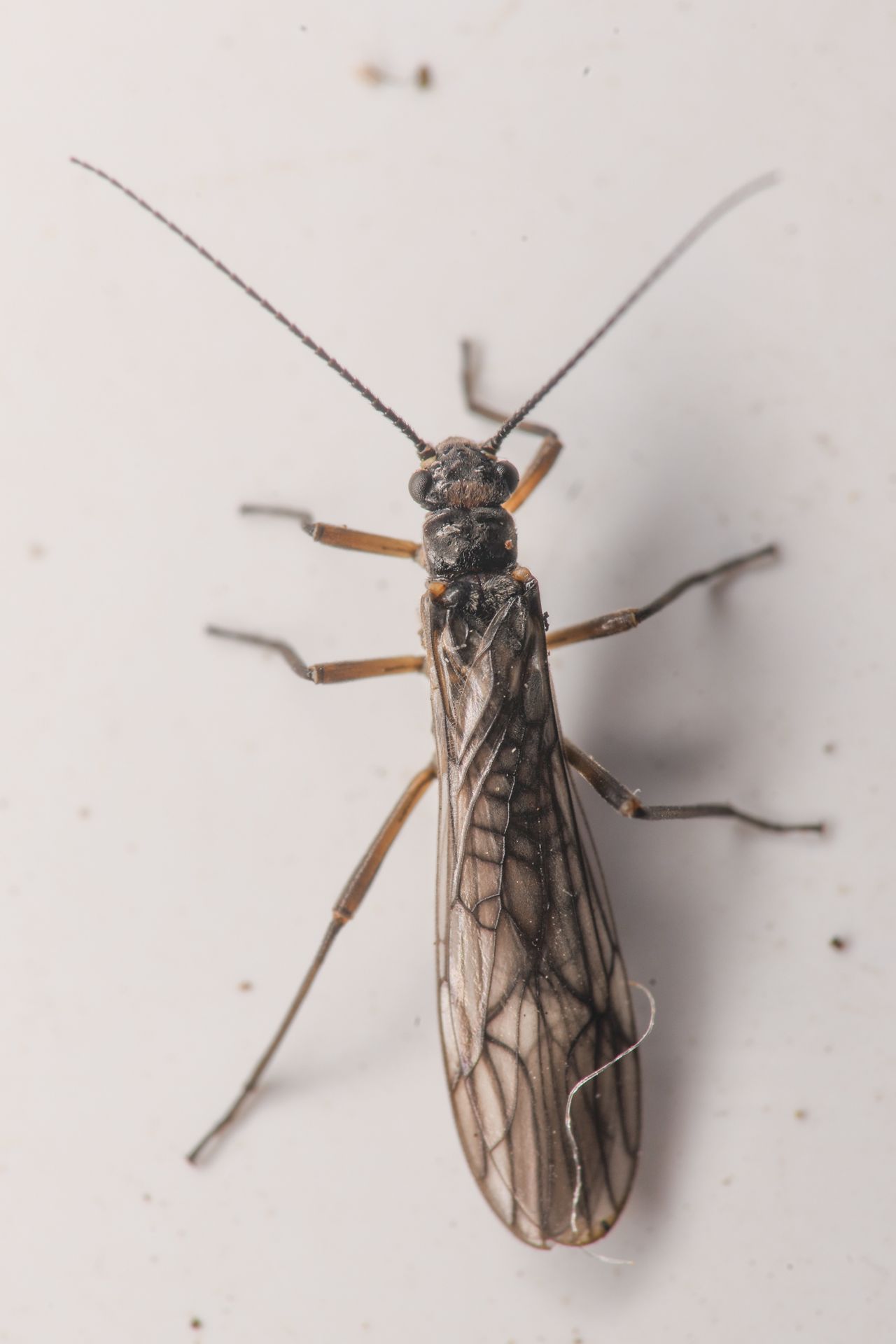
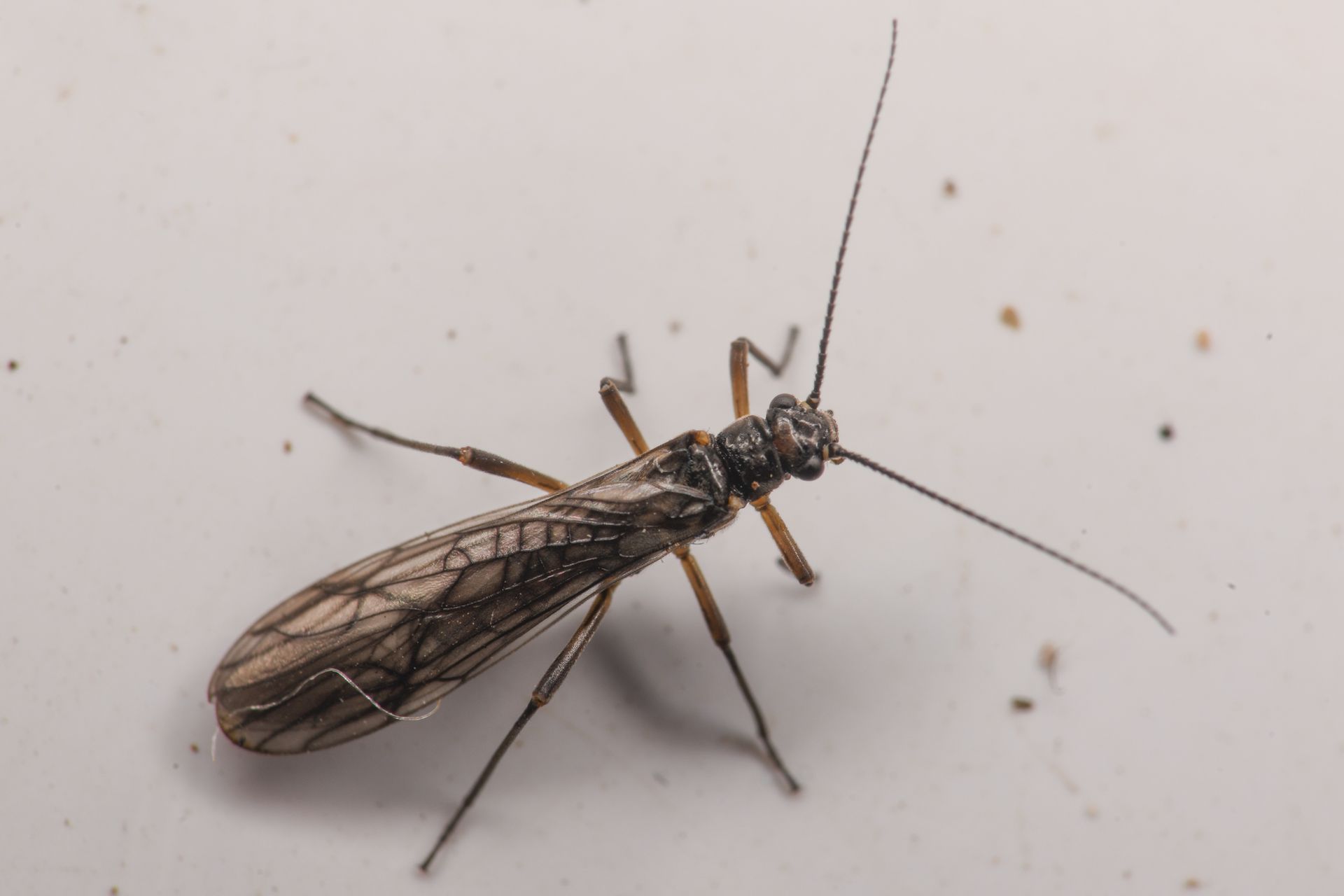
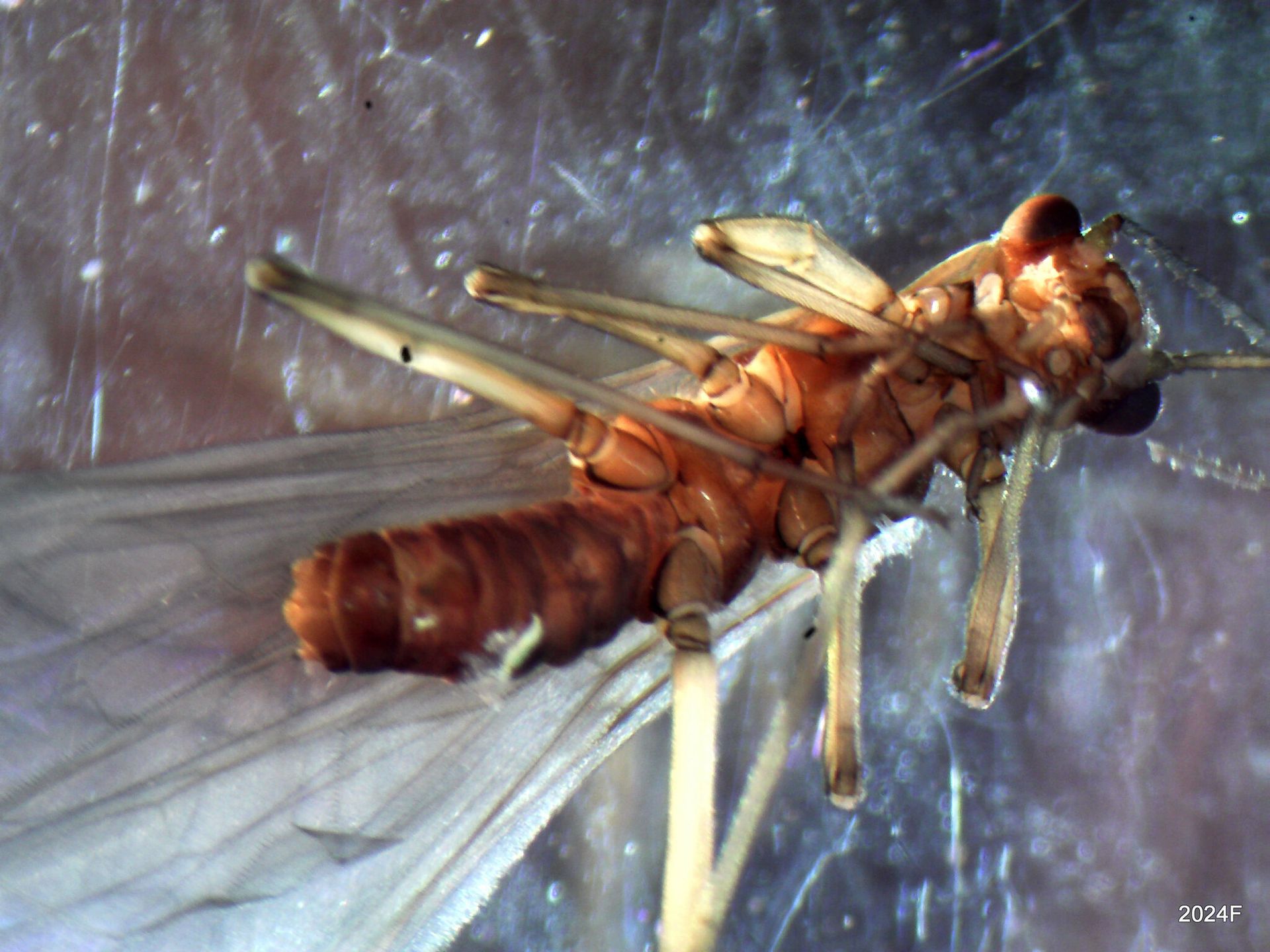
1- Visoka cataractae(Cataract Forestfly)
Visoka is a of small winter stoneflies in the Nemouridae, established by Ricker in 1952. These insects are part of the order Plecoptera, a group of aquatic insects whose nymphs inhabit cold, well-oxygenated freshwater environments. The genus has been recorded from western North America including Alberta, Alaska, British Columbia, California, and Idaho. As with other nemourids, are typically small with reduced wing venation.
Pronunciation
How to pronounce Visoka: /vɪˈsoʊkə/
These audio files are automatically generated. While they are not always 100% accurate, they are a good starting point.
Images
Habitat
Nymphs inhabit cold, well-oxygenated freshwater streams and rivers. Specific microhabitat preferences within this are not well documented in available sources.
Distribution
Western North America: Alberta, Alaska, British Columbia, California, and Idaho. Distribution records are sparse and based on limited collection data.
Life Cycle
Hemimetabolous development with aquatic nymphal stages and terrestrial . Specific duration and voltinism patterns for Visoka are not documented in available sources.
Ecological Role
Nymphs function as or gatherers in stream , processing allochthonous organic matter. Specific contributions for Visoka have not been quantified in available literature.
Similar Taxa
- NemouraAlso in Nemouridae; Visoka can be distinguished by genitalic characters and wing venation patterns, though specific differentiating traits require examination.
- ProtonemuraAnother nemourine ; separation relies on detailed morphological examination of male genitalia and paraprocts.
More Details
Taxonomic note
The name 'Visoka' has multiple unrelated uses: it is also a place name (villages in Bulgaria, Serbia, and Croatia; a mountain in Croatia; and an oilfield in Albania). These geographic entities are not related to the . The genus Visoka in Nemouridae appears to be a valid but poorly documented with minimal published biological information.
Data limitations
Available sources provide almost no -level information, biological natural history, or ecological data for this . The four iNaturalist observations and sparse GBIF records suggest it is rarely encountered or underreported. Most biological fields cannot be populated without speculation.
Sources and further reading
- BugGuide
- Wikipedia
- GBIF taxonomy match
- iNaturalist taxon
- NCBI Taxonomy
- Catalogue of Life
- Burnt down beech wood area at the location of Visoka Stena second year after the fire on Vidlič Mountain
- The Surface Distribution of Oil Spills, the Environmental Status of the Visoka Oilfield, Its Rehabilitation Ways: Case Study