
Nemoura
Latreille, 1796
spring stoneflies
Species Guides
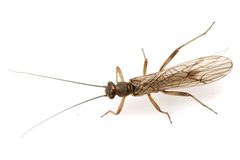
1Nemoura is a of spring stoneflies in the Nemouridae, with more than 190 described . The genus belongs to the Nemourinae within the superfamily Nemouroidea. Species in this genus are part of the EPT (Ephemeroptera, Plecoptera, Trichoptera) complex, a group of aquatic insects with significant ecological importance in freshwater .
Pronunciation
How to pronounce Nemoura: //nɪˈmɔːrə//
These audio files are automatically generated. While they are not always 100% accurate, they are a good starting point.
Identification
Nemoura can be distinguished from other nemourid by genitalic characters, particularly male paraprocts and female subgenital plates. Detailed identification requires examination of these structures under magnification. The genus is placed in Nemourinae, separate from Amphinemurinae (which includes Indonemoura).
Images
Habitat
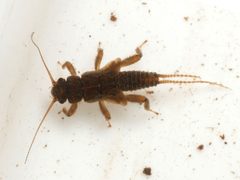
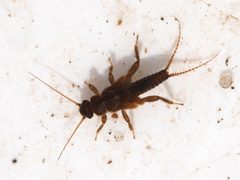
Aquatic nymphs inhabit clean, fast-flowing, well-oxygenated streams and springs, often across extensive altitudinal ranges. They are primarily found in lotic and cold-water lakes within mountain stream . are terrestrial, remaining in riparian vegetation near sites.
Distribution
Recorded from southwestern Europe, eastern Europe, Siberia, the Russian Far East, and Middle Asia. Individual have more restricted ranges; for example, Indonemoura scalprata (formerly placed in Nemoura) occurs in southern China.
Seasonality
is cued by temperature and , though specific timing varies by and latitude.
Diet
Nymphs function as , , collector-gatherers, and scrapers, frequently exhibiting feeding strategies or ontogenetic shifts in diet. have been observed to not feed, or to feed only sparingly.
Life Cycle
Hemimetabolous development with aquatic nymphal stages. Mature nymphs emerge from water onto stones or riparian vegetation to undergo final into .
Behavior
Nymphs are highly sensitive to water quality changes, making them valuable organisms for aquatic biomonitoring programs. are generally weak fliers that remain close to sites.
Ecological Role
Key component of EPT in freshwater . Nymphs contribute to nutrient cycling through diverse feeding guilds and serve as food for fish and other .
Human Relevance
Widely used as bioindicators in aquatic biomonitoring programs due to sensitivity to water quality degradation. The has been subject to taxonomic revision, with some transferred to related genera such as Indonemoura.
Similar Taxa
- IndonemouraFormerly included now placed in this separate ; distinguished by genitalic and primarily Asian distribution.
- AmphinemuraMember of Amphinemurinae rather than Nemourinae; differs in genitalic structure and often in wing venation.
More Details
Taxonomic note
The Nemoura has undergone significant revision. Some formerly placed here, such as those now in Indonemoura, have been transferred to other genera based on morphological and molecular data. The genus remains species-rich with over 190 described species, though accurate species identification requires examination of genitalic characters.