Amphinemurinae
Baumann, 1975
Genus Guides
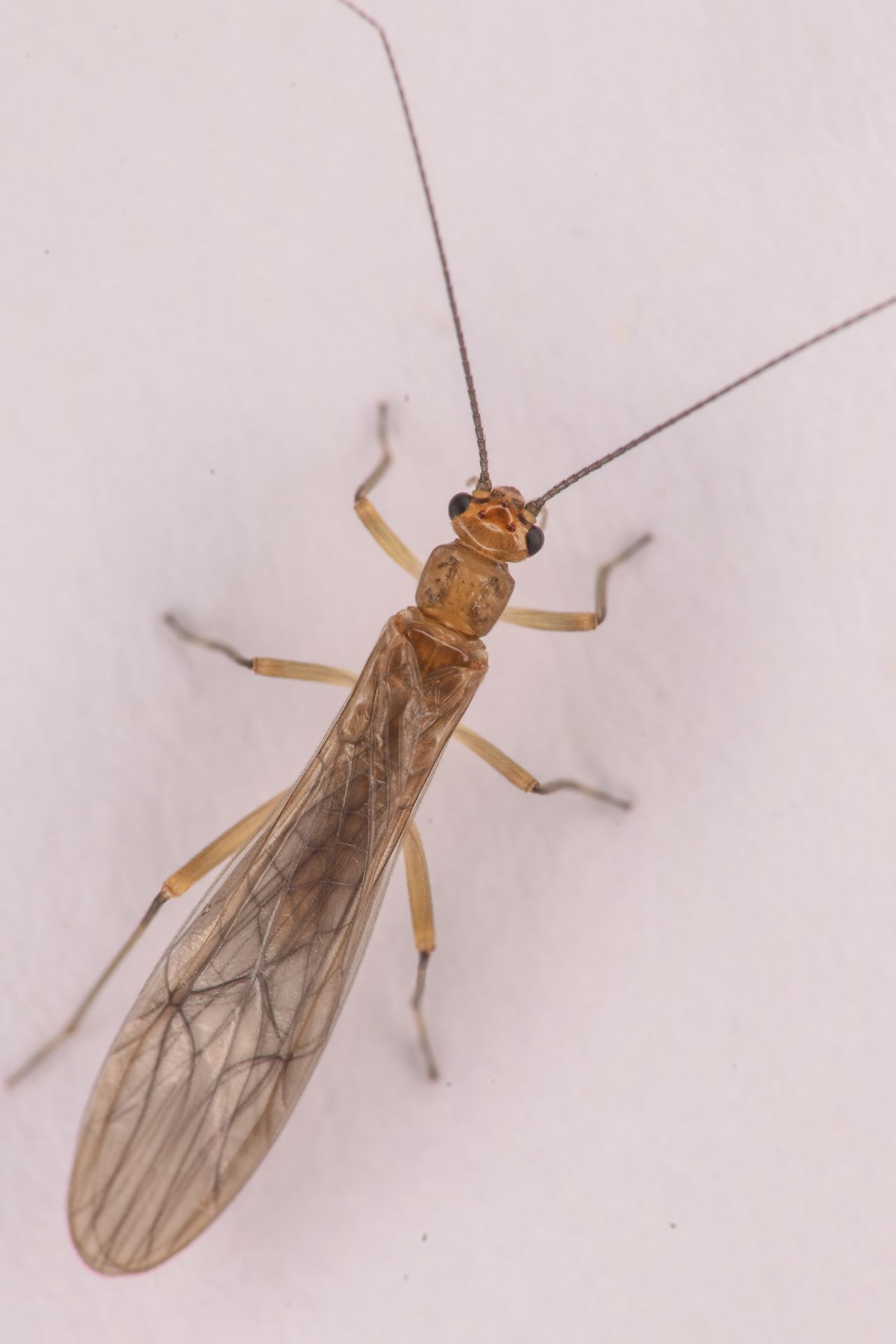
2Amphinemurinae is a of stoneflies within the Nemouridae, established by Baumann in 1975. Members are small to medium-sized stoneflies occurring primarily in the Holarctic region. The subfamily is distinguished by specific morphological features of the male genitalia and wing venation patterns that separate it from other nemourid subfamilies.
Pronunciation
How to pronounce Amphinemurinae: //ˌæmfɪnɪˈmjʊrɪniː//
These audio files are automatically generated. While they are not always 100% accurate, they are a good starting point.
Identification
Amphinemurinae can be distinguished from other Nemouridae by characteristics of the male paraprocts and structure. The subfamily Nemourinae differs in having distinct tergal processes on the male . Amphinemura, the primary , shows reduced wing venation with fewer crossveins compared to Nemoura . Specific identification requires examination of genitalic structures under magnification.
Images
Habitat
Found in cool, clean lotic waters including streams and small rivers. Larvae inhabit rocky or gravel substrates in well-oxygenated environments. are often found in riparian vegetation near sites.
Distribution
Holarctic distribution, with records from North America, Europe, and Asia. In North America, primarily distributed across northern and montane regions. European records span from Scandinavia through mountainous regions of central and southern Europe.
Seasonality
occurs primarily in late winter through spring, with some active into early summer. Activity patterns vary by latitude and elevation, with earlier emergence at lower elevations and southern latitudes.
Diet
Larvae are and collectors, feeding on decaying leaf litter, detritus, and periphyton. Specific dietary preferences vary by and .
Life Cycle
Hemimetabolous development with , nymph, and stages. Larval development spans several months to over a year depending on and environmental conditions. typically occurs during daylight hours.
Behavior
Larvae are primarily benthic, clinging to substrates in flowing water. are weak fliers, generally remaining near water bodies. Mating occurs on vegetation or substrates near the water edge.
Ecological Role
Larvae contribute to nutrient cycling through shredding of leaf litter and processing of organic matter. Serve as prey for fish and other aquatic . Used as bioindicators of good water quality due to sensitivity to pollution and degradation.
Human Relevance
Of interest to fly fishermen as part of the 'tiny winter blacks' complex, though individual are rarely distinguished. Used in biomonitoring programs to assess stream health and water quality.
Similar Taxa
- NemourinaeDistinguished by male abdominal tergal processes and differences in wing venation; larvae often occupy similar but show subtle morphological differences in gill structure.
- ProtonemurinaePrimarily Palearctic distribution; differs in genitalic structure and is not present in North America where Amphinemurinae is most diverse.
More Details
Taxonomic History
Established by Baumann in 1975 based on phylogenetic analysis of Nemouridae, separating Amphinemura and related from Nemourinae based on male genitalic .