
Tessellana tessellata
(Charpentier, 1825)
brown-spotted bush-cricket, tessellated shieldback
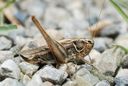
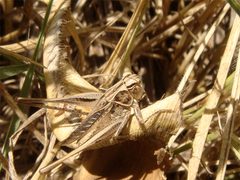
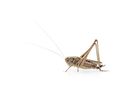
Tessellana tessellata is a of in the Tettigoniidae, commonly known as the brown-spotted bush- or tessellated shieldback. It occurs across southwestern Europe and parts of North Africa. The species belongs to the tribe Platycleidini and was originally described as Locusta tessellata by Charpentier in 1825. Two are recognized: T. t. tessellata and T. t. holoptera.
Pronunciation
How to pronounce Tessellana tessellata: //ˌtɛsɛˈlɑːnə ˌtɛsɛˈleɪtə//
These audio files are automatically generated. While they are not always 100% accurate, they are a good starting point.
Identification
The specific epithet "tessellata" refers to a tessellated or checkered pattern, likely describing the coloration. As a member of Platycleidini, it can be distinguished from related bush-crickets by features of the pronotum and tegmina, though precise diagnostic characters require examination. The T. t. holoptera (Ramme, 1951) is distinguished from the nominate form by wing reduction.
Images
Distribution
Southwestern Europe including Germany and Italy; North Africa including Algeria and Libya. GBIF records indicate presence across these regions, though specific associations within this range are not documented in available sources.
Similar Taxa
- Platycleis speciesMembers of the same tribe Platycleidini; Tessellana was historically classified within Platycleis but is now recognized as a distinct based on morphological differences.
- Other Platycleidini genera (Metrioptera, Yersinella)Share the same tribe and general body plan; require examination of male genitalia and stridulatory structures for definitive separation.
More Details
Taxonomic history
Originally described as Locusta tessellata by Charpentier in 1825. The Tessellana was established to accommodate previously placed in Platycleis. Two are currently recognized: the nominate T. t. tessellata and T. t. holoptera described by Ramme in 1951, the latter characterized by reduced wings (holoptera = 'complete wing', though in this context referring to a distinct wing form).
Observation data
iNaturalist records 2,980 observations, indicating it is moderately well-documented by citizen scientists, though this does not imply ecological data availability.