
Gammarotettix
Brunner von Wattenwyl, 1888
Chaparral camel crickets, Arboreal camel crickets
Species Guides
3- Gammarotettix aesculus
- Gammarotettix bilobatus(arboreal camel cricket)
- Gammarotettix genitalis
Gammarotettix is a North American of camel crickets ( Rhaphidophoridae) comprising approximately six described . These crickets are small to medium-sized, measuring 10–18 mm in body length. They are primarily associated with chaparral and arboreal in California, with records extending to Arizona and possibly southern Oregon. The genus was established by Brunner von Wattenwyl in 1888 and is classified within the Gammarotettiginae.
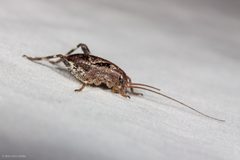
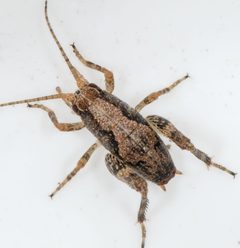
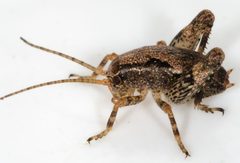
Pronunciation
How to pronounce Gammarotettix: /ˌɡæməroʊˈtɛtɪks/
These audio files are automatically generated. While they are not always 100% accurate, they are a good starting point.
Identification
Distinguished from other camel cricket by a combination of small size (10–18 mm), geographic restriction to western North America, and association with chaparral and arboreal . The genus is placed in its own (Gammarotettiginae), separating it from most other Rhaphidophoridae. -level identification requires examination of male genitalia, as indicated by species names referencing genital (cyclocercus = circular , genitalis = genitalia, bilobatus = two-lobed).
Images
Appearance
Small to medium camel crickets with body lengths ranging from 10–18 mm. As members of Rhaphidophoridae, they lack wings and hearing organs (), with a characteristic humpbacked or arched . The body is dorsoventrally compressed with long, slender typically exceeding body length. Legs are elongated and adapted for jumping. Specific morphological features distinguishing the include genital characteristics referenced in epithets (e.g., G. genitalis, G. bilobatus).
Habitat
Primarily chaparral vegetation in California. The 'arboreal camel crickets' indicates association with trees and shrubs, suggesting climbing or arboreal habits distinct from ground-dwelling camel crickets. Specific microhabitats include bark crevices, leaf litter accumulations in vegetation, and other sheltered moist locations within shrubland and woodland .
Distribution
to western North America. Confirmed records from California and Arizona. Possibly extends into southern Oregon based on continuity, though this requires verification. Distribution is centered on the California Floristic Province, with chaparral and related Mediterranean-type .
Human Relevance
No documented economic or medical significance. The is primarily of scientific interest for studies of camel cricket evolution, , and chaparral . Observations on iNaturalist (2,317 records as of source date) indicate moderate citizen science engagement, likely reflecting the genus's occurrence in populated regions of California.
Similar Taxa
- CeuthophilusA large and widespread of camel crickets; Gammarotettix differs in smaller size, western geographic restriction, and arboreal/chaparral preference versus the generally ground-dwelling, often cave-associated Ceuthophilus .
- DiestrammenaAsian camel cricket introduced to North America; distinguished from native Gammarotettix by different geographic origin, generally larger size, and association with human structures rather than natural chaparral .
- TropidischiaAnother western North American camel cricket ; Gammarotettix is separated by placement (Gammarotettiginae vs. Rhaphidophorinae) and associated morphological differences in genital structure.
More Details
Taxonomic history
The was described by Brunner von Wattenwyl in 1888 and has been maintained in a (Gammarotettiginae) and tribe (Gammarotettigini), reflecting its distinctive morphological position within Rhaphidophoridae. The six described span over 75 years of taxonomic work (1916–1951), suggesting cryptic diversity or difficulty in species delimitation.
Research needs
The 'possibly' in southern Oregon and Arizona distribution records indicates incomplete survey work. Modern molecular phylogenetic study would clarify boundaries and relationships to other rhaphidophorid lineages.