
Falcicula hebardi
Rehn, 1903
Hebard's Trig, Hebard's Bush Cricket
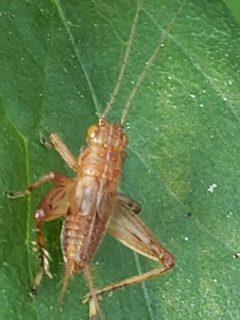
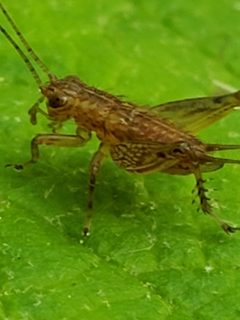
Falcicula hebardi is a small in the Trigonidiinae, commonly known as Hebard's trig or Hebard's bush cricket. The species was described by Rehn in 1903 and is to the southeastern United States. It belongs to a characterized by distinctive morphological features, though specific ecological details remain limited in published literature.
Pronunciation
How to pronounce Falcicula hebardi: /fælˈsɪkjʊlə hɛbˈɑrdi/
These audio files are automatically generated. While they are not always 100% accurate, they are a good starting point.
Identification
Falcicula hebardi can be distinguished from other southeastern Trigonidiinae by its association with the Falcicula, which is characterized by modified forewings and genital structures. It may be separated from the congeneric Falcicula rebeli (southeastern trig) by geographic distribution and subtle morphological differences in the male genitalia, though detailed comparative descriptions are sparse. Accurate identification typically requires examination of genital structures under magnification.
Images
Habitat
Found in the southeastern United States; specific microhabitat preferences are poorly documented but likely include leaf litter and low vegetation in forested or semi-open environments, consistent with other Trigonidiinae .
Distribution
Documented from Alabama, Arkansas, Florida, Georgia, and Illinois based on occurrence records. The appears to be to the southeastern United States with a range extending northward into the southern Midwest.
Similar Taxa
- Falcicula rebeliOverlaps in southeastern range and shares -level characteristics; requires examination of male genitalia for reliable separation
- Anaxipha speciesOther small Trigonidiinae crickets in the same region that may be confused based on size and general appearance; differs in wing venation and genital structure
More Details
Taxonomic Note
The placement of Trigonidiinae has been subject to revision, with some sources placing it in Gryllidae and others recognizing Trigonidiidae as a distinct family. The Catalogue of Life and GBIF currently recognize Trigonidiidae as the family.