
Nomotettix
Morse, 1894
pygmy grasshoppers
Species Guides
2- Nomotettix cristatus(crested pygmy grasshopper)
- Nomotettix parvus(low-ridged pygmy grasshopper)
Nomotettix is a of pygmy grasshoppers in the Tetrigidae, established by Morse in 1894. The genus contains at least three described distributed across North America. Members of this genus are small, ground-dwelling orthopterans characterized by their reduced wings and pronotum that extends backward over the . Like other tetrigids, they are associated with moist microhabitats and leaf litter.
Pronunciation
How to pronounce Nomotettix: /ˌnɔːmoʊˈtɛtɪks/
These audio files are automatically generated. While they are not always 100% accurate, they are a good starting point.
Identification
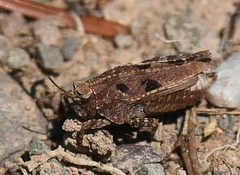
Nomotettix are distinguished from other North American tetrigids by specific pronotal and carinal features: N. cristatus has a pronounced crest on the pronotum; N. parvus exhibits low, reduced carinae; N. saussurei has intermediate pronotal characteristics. All species are small-bodied with the pronotum extending posteriorly, covering most or all of the . Accurate identification to species requires examination of pronotal and male genitalia.
Images
Habitat
Associated with moist ground-level microhabitats including leaf litter, moss, and vegetation at the base of grasses and sedges. Often found in woodland edges, wet meadows, and riparian zones where humidity remains elevated.
Distribution
North America: recorded from Canada (Alberta), United States (Connecticut, Florida, Georgia), and Mexico. Distribution appears to span temperate to subtropical regions of eastern and central North America with southern extension into Mexico.
Similar Taxa
- TetrixBoth are small tetrigids with reduced wings, but Tetrix generally lack the distinctive pronotal cresting of N. cristatus and have different carinal patterns.
- ParatettixSimilar ground-dwelling habit, but Paratettix typically show different pronotal proportions and lack the specific carinal reductions seen in N. parvus.
More Details
Species diversity
The currently includes three described : Nomotettix cristatus (Scudder, 1863), N. parvus Morse, 1895, and N. saussurei Bolívar, 1909. Additional undescribed species may exist given the genus's broad geographic range.