
Appalachia
Rehn & Rehn, 1936
Species Guides
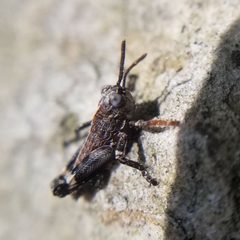
1- Appalachia arcana(Michigan bog grasshopper)
Appalachia is a of grasshoppers in the Acrididae, Melanoplinae, described by Rehn & Rehn in 1936. The genus belongs to the tribe Podismini and is native to eastern North America. within this genus are associated with montane and forested in the Appalachian Mountain region, reflecting the geographic origin of their name. The genus is relatively small and specialized compared to more widespread melanopline genera.
Pronunciation
How to pronounce Appalachia: /ˌæpəˈleɪʃə/
These audio files are automatically generated. While they are not always 100% accurate, they are a good starting point.
Identification
Members of Appalachia can be distinguished from related melanopline by genitalic characteristics and subtle differences in pronotal and tegminal . The genus is typically associated with higher elevation in the Appalachian Mountains. Accurate identification to level requires examination of male genitalia and comparison with .
Images
Habitat
Montane and forested in the Appalachian Mountain region, including mixed hardwood forests and grassy openings at moderate to high elevations.
Distribution
Eastern North America, specifically the Appalachian Mountain region. Documented occurrence records include Michigan and Pennsylvania. The is to or strongly associated with the Appalachian physiographic province.
Similar Taxa
- MelanoplusBoth are in Melanoplinae and tribe Podismini; Melanoplus is much larger and more widespread, with broader and more variable coloration. Appalachia is more restricted geographically and ecologically.
- PodismaBoth belong to tribe Podismini; Podisma is primarily Palearctic in distribution, whereas Appalachia is Nearctic and restricted to the Appalachian region.
Sources and further reading
- BugGuide
- Wikipedia
- GBIF taxonomy match
- iNaturalist taxon
- NCBI Taxonomy
- Catalogue of Life
- Cicindela scutellaris lecontei x scutellaris unicolor intergrades in southeast Missouri | Beetles In The Bush
- Crystal Wilkinson
- Impact of Resident and Physician Assistant Participation on Cosmetic Plastic Surgery Outcomes in an Appalachia Population.