Melanoplus frigidus
(Boheman, 1846)
Nordic mountain grasshopper, narrow-winged locust, High Mountain Grasshopper
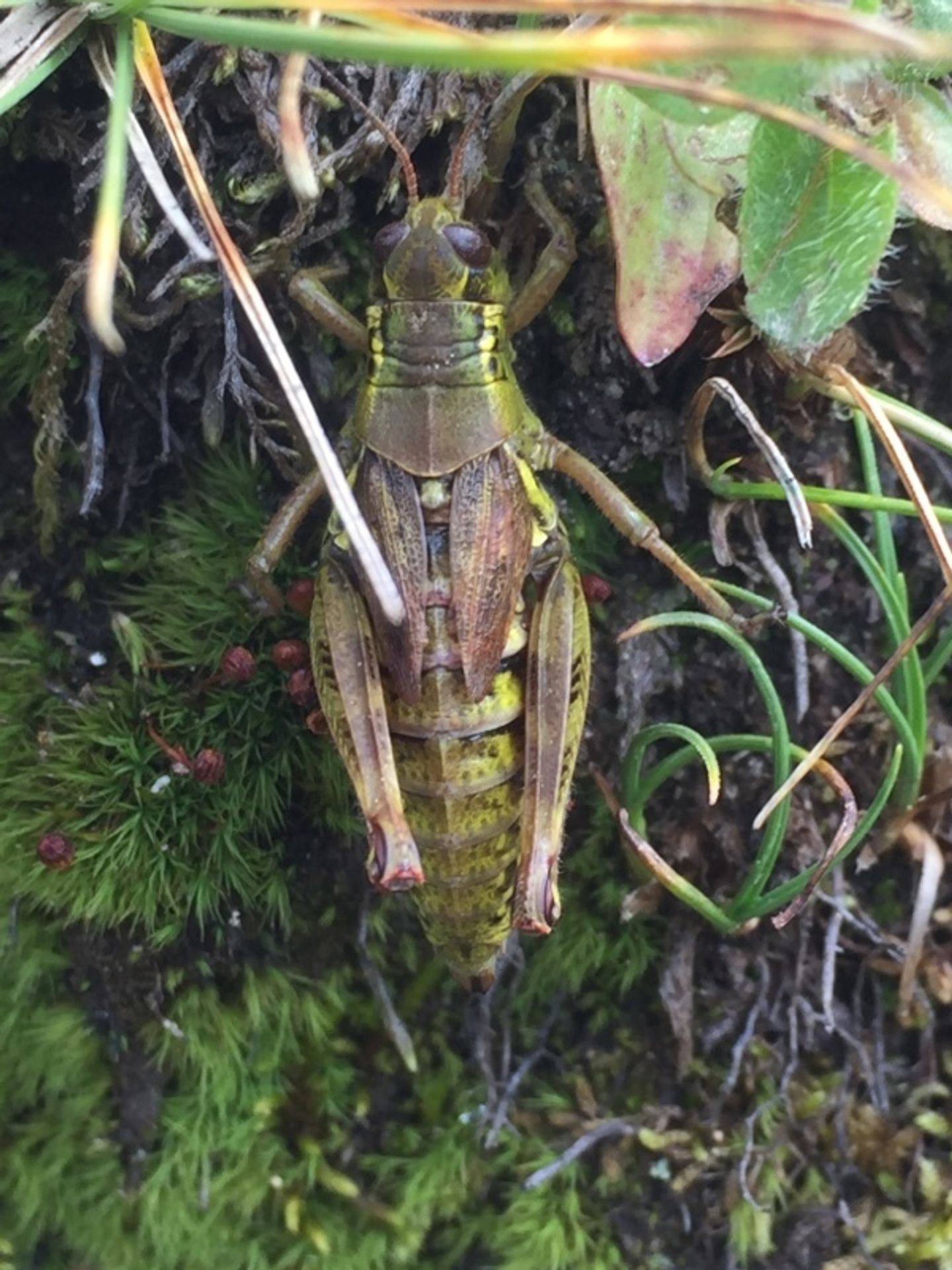
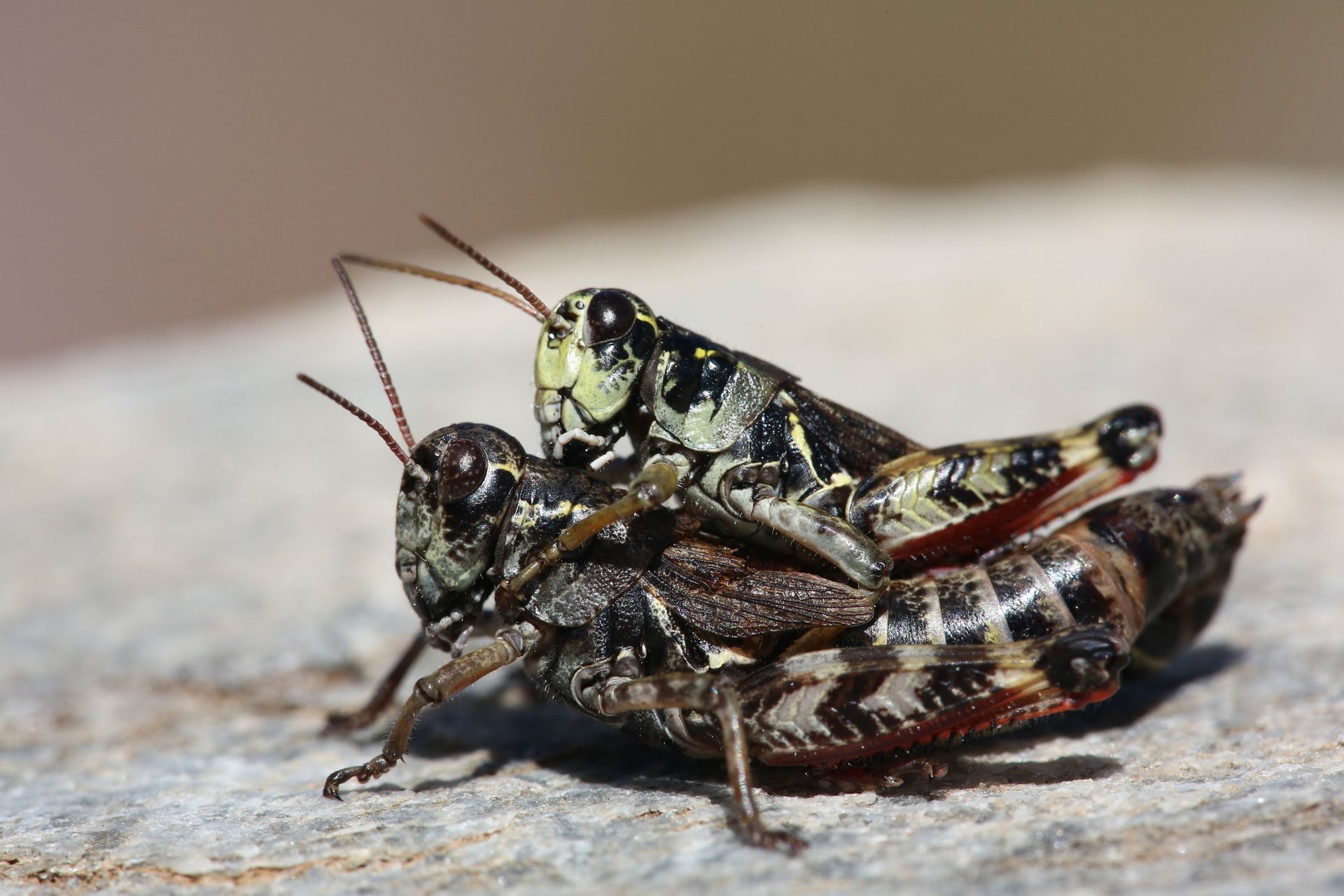
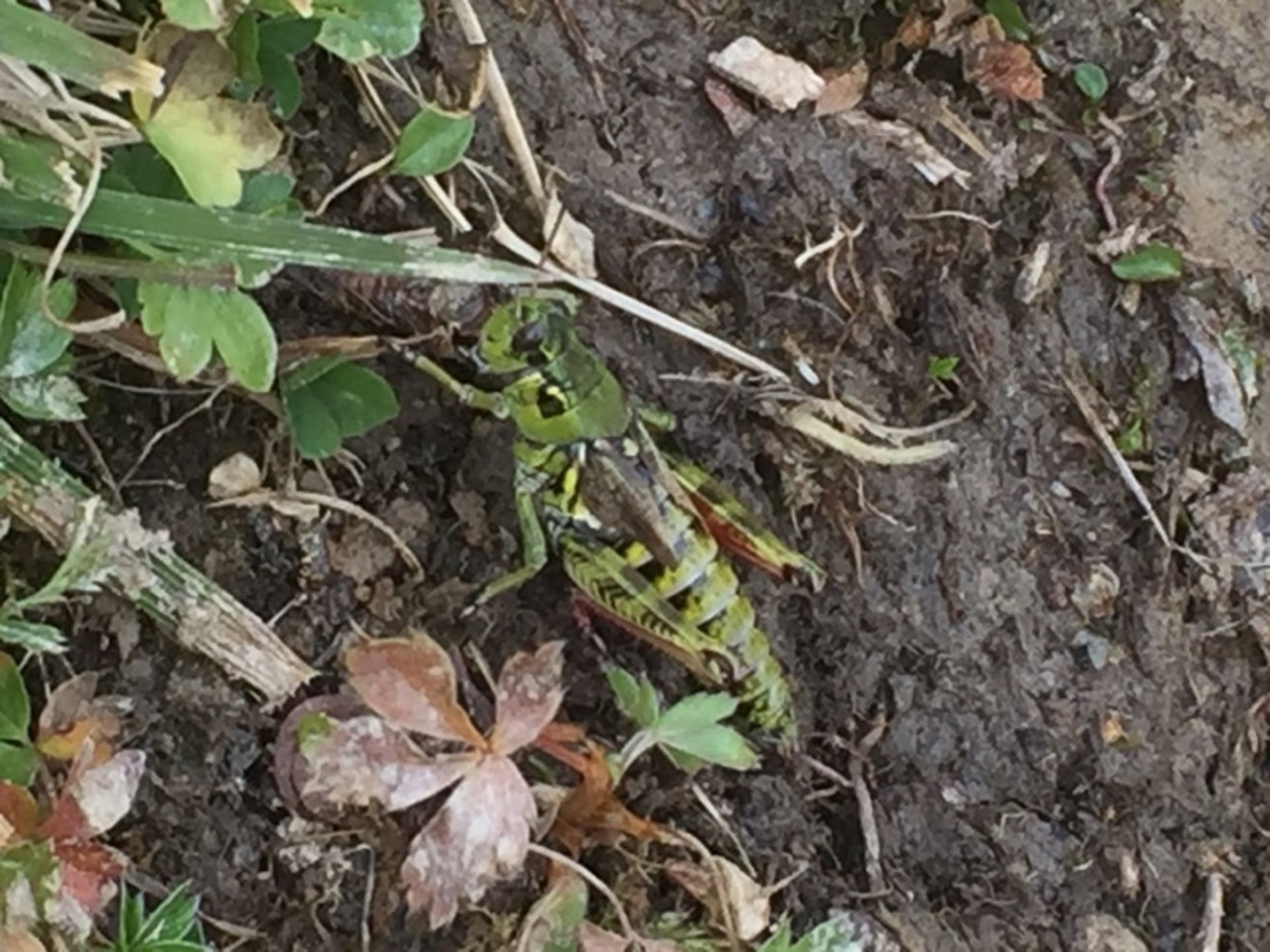
Melanoplus frigidus is an alpine grasshopper in the Acrididae, native to northern Europe and Asia. It is a true alpine restricted to high-elevation in the Scandes and similar mountain systems. Research has focused on its sensitivity to temperature variation as a potential indicator of climate change effects on alpine .
Pronunciation
How to pronounce Melanoplus frigidus: //mɛˈlænoʊpləs ˈfrɪdʒɪdəs//
These audio files are automatically generated. While they are not always 100% accurate, they are a good starting point.
Identification
As a member of the spur-throated grasshopper Melanoplinae, M. frigidus possesses a distinct spur or projection on the . The specific epithet 'frigidus' (cold) reflects its association with cold, high-elevation environments. Distinctive features separating it from other Melanoplus in overlapping ranges require examination.
Images
Habitat
True alpine grasslands in the low alpine belt of the Scandes mountains. Colonizes only the warmest microhabitats within this zone, with maximum soil surface temperatures reaching 31°C. Vegetation consists of shrub-rich heath dominated by Vaccinium myrtillus and Calluna vulgaris.
Distribution
Europe and Northern Asia (excluding China). Documented from the Norwegian Scandes; range extends across northern European and Asian alpine systems.
Seasonality
timing varies by up to 3 weeks depending on spring temperature conditions between years. Activity period constrained by short alpine growing season.
Life Cycle
Development times have been modeled for four different seasons using continuously measured temperature data. The maximum delay of is estimated at 3 weeks, determined by variation in spring temperature conditions between years.
Human Relevance
Proposed as an indicator organism for detecting climate change effects on alpine zoo-coenoses of the Scandes, due to its sensitivity to temperature variation in development timing.
Similar Taxa
- Other Melanoplus speciesMany Melanoplus occur in northern regions; M. frigidus is distinguished by its strict alpine association and cold-adapted .
More Details
Climate sensitivity research
Development modeling indicates strong temperature-dependence in timing, making this useful for studying biological responses to climate variation in alpine systems.