Barytettix
Scudder, 1897
spur-throated grasshoppers
Species Guides
1- Barytettix humphreysii(Humphrey's Grasshopper)
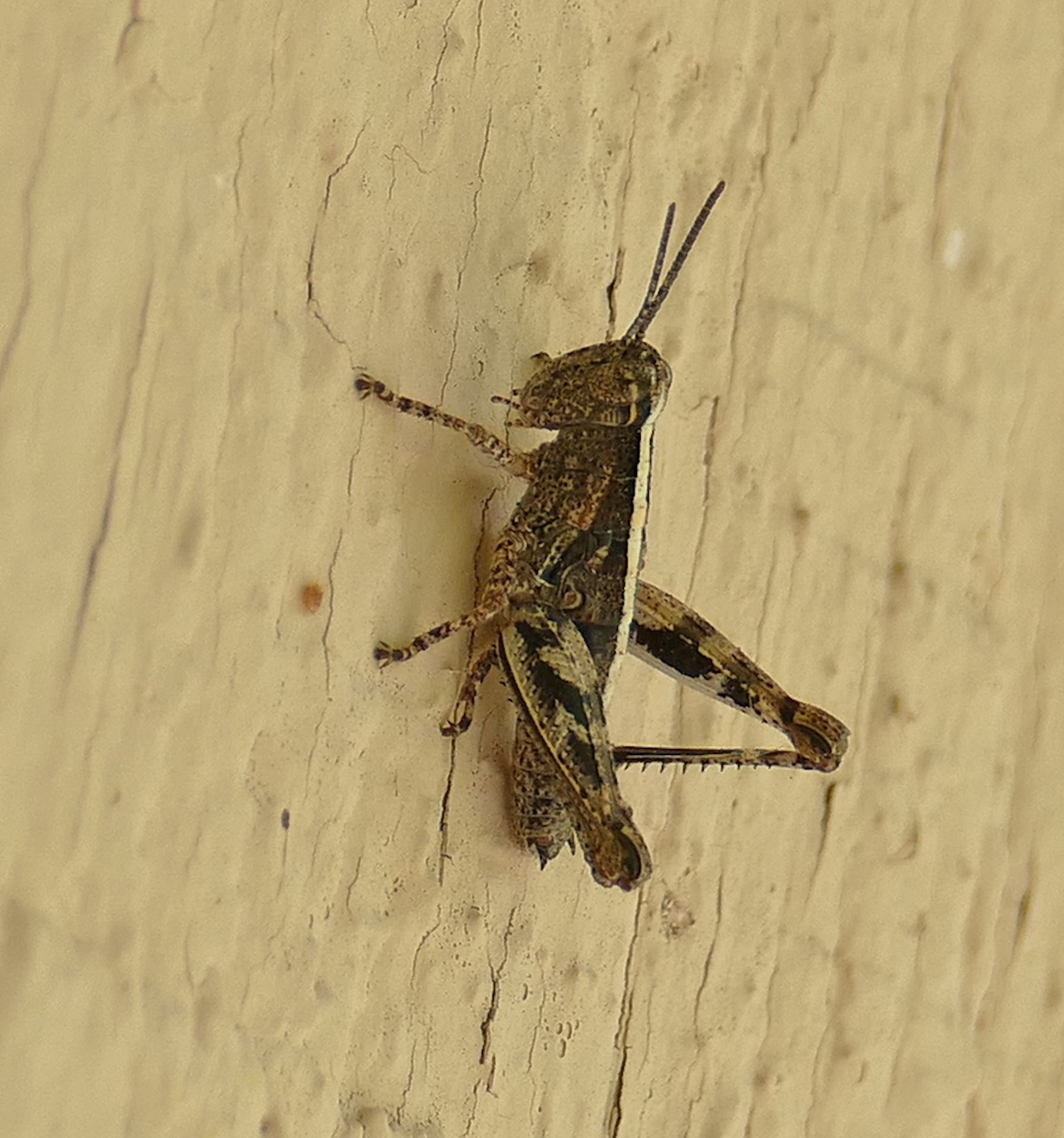
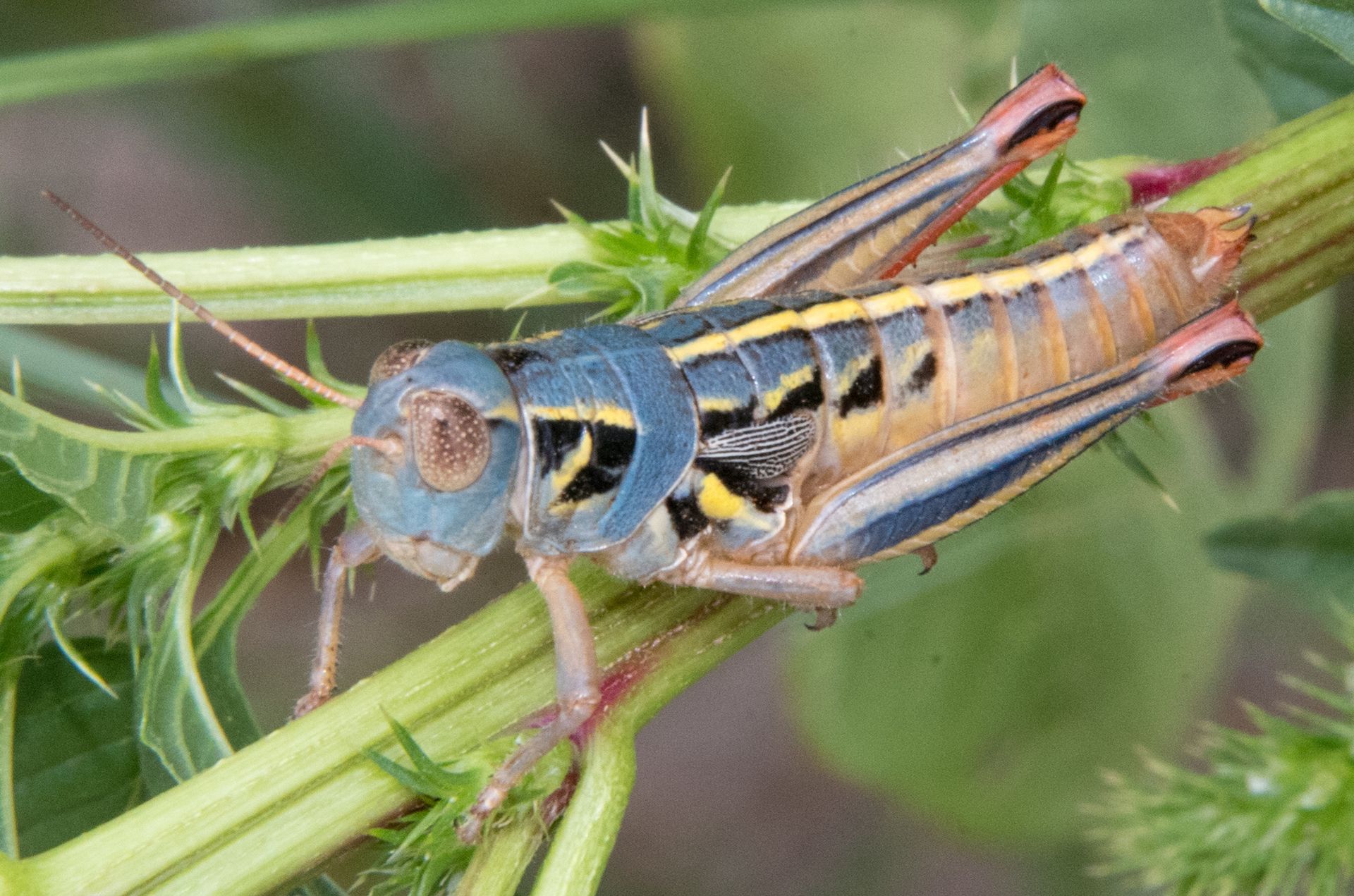
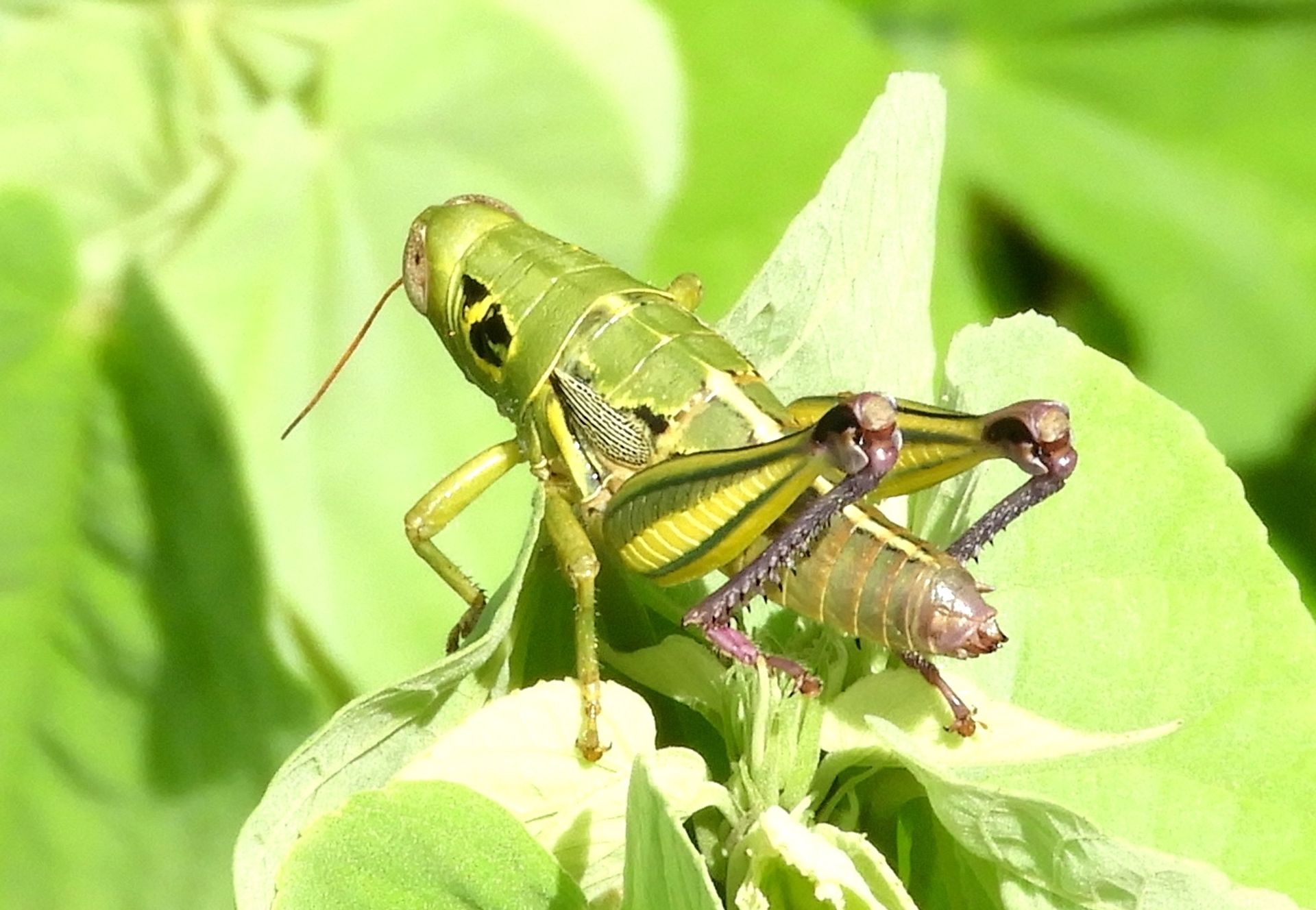
Barytettix is a of spur-throated grasshoppers in the Acrididae, comprising approximately nine described . Members are found in western Mexico and the southwestern United States. At least one species, Barytettix psolus, is obligately flightless, lacking functional wings and associated musculature. The genus belongs to the tribe Conalcaeini within the Melanoplinae.
Pronunciation
How to pronounce Barytettix: /ˌbærɪˈtɛtɪks/
These audio files are automatically generated. While they are not always 100% accurate, they are a good starting point.
Identification
Spur-throated grasshoppers in this can be distinguished by the presence of a projection (spur) on the , a characteristic of the Melanoplinae. -level identification requires examination of male genitalia and other structural features. At least one species (B. psolus) exhibits extreme wing reduction: hindwings are absent and forewings are reduced to immobile vestiges.
Images
Distribution
Western Mexico and the southwestern United States. GBIF records also indicate presence in northwestern and southwestern Mexico, Arizona, and northeastern and southern Argentina, though the latter records may require verification.
Behavior
Barytettix psolus is obligately flightless. It lacks hindwings entirely and possesses only immobile vestiges of forewings. The has lost skeletal specializations for wing movement and lacks pterothoracic muscles dedicated to wing motion. Despite flightlessness, some neural circuits related to persist in modified form, including reduced motorneurons that correspond to wing muscle innervation in flying relatives.
Similar Taxa
- SchistocercaBoth are acridid grasshoppers, but Schistocerca are powerful fliers with fully developed wings, while at least some Barytettix species are flightless with reduced or absent wings.
- MelanoplusBoth are spur-throated grasshoppers in the Melanoplinae with prosternal spurs, but Melanoplus is a much larger and more widespread with different distributions and typically fully winged forms.