
Neoerythromma
Kennedy, 1920
Yellow-faced Damselflies
Species Guides
1- Neoerythromma cultellatum(Caribbean Yellowface)
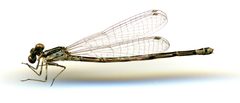
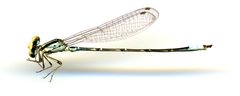
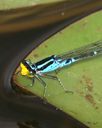
Neoerythromma is a small of in the Coenagrionidae, commonly called yellow-faced damselflies. The genus contains two described : Neoerythromma cultellatum (Caribbean yellowface) and Neoerythromma gladiolatum. These damselflies are distinguished by yellow markings on the , a trait referenced in both the common and . The genus was established by Kennedy in 1920.
Pronunciation
How to pronounce Neoerythromma: /ˌniːoʊˌɛrɪˈθrɒmə/
These audio files are automatically generated. While they are not always 100% accurate, they are a good starting point.
Identification
Members of this can be recognized by yellow facial markings, which distinguish them from many other coenagrionid . The two differ in details of color pattern and body proportions, though specific distinguishing characters require examination of mature specimens. The genus name references this facial coloration (erythros = red, though here applied to yellow).
Images
Distribution
Neoerythromma cultellatum occurs in the Caribbean region. Neoerythromma gladiolatum has been recorded from Colombia (CO). The appears to have a Neotropical distribution.
Similar Taxa
- TelebasisAnother of small red or yellow in Coenagrionidae; differs in details of wing venation and male appendage structure
- AmphiagrionSmall North American with red or yellow coloration; Neoerythromma is distinguished by Neotropical distribution and specific facial marking patterns
More Details
Taxonomic history
The was established by Kennedy in 1920 to accommodate previously placed in other genera, based on distinctive morphological features of the male appendages and color pattern.
Etymology
The name Neoerythromma combines 'neo-' (new) with 'erythros' (Greek for red) and 'omma' (), referring to the yellow or reddish facial markings characteristic of the .