Enallagma pallidum
Root, 1923
Pale Bluet, Pallid Bluet
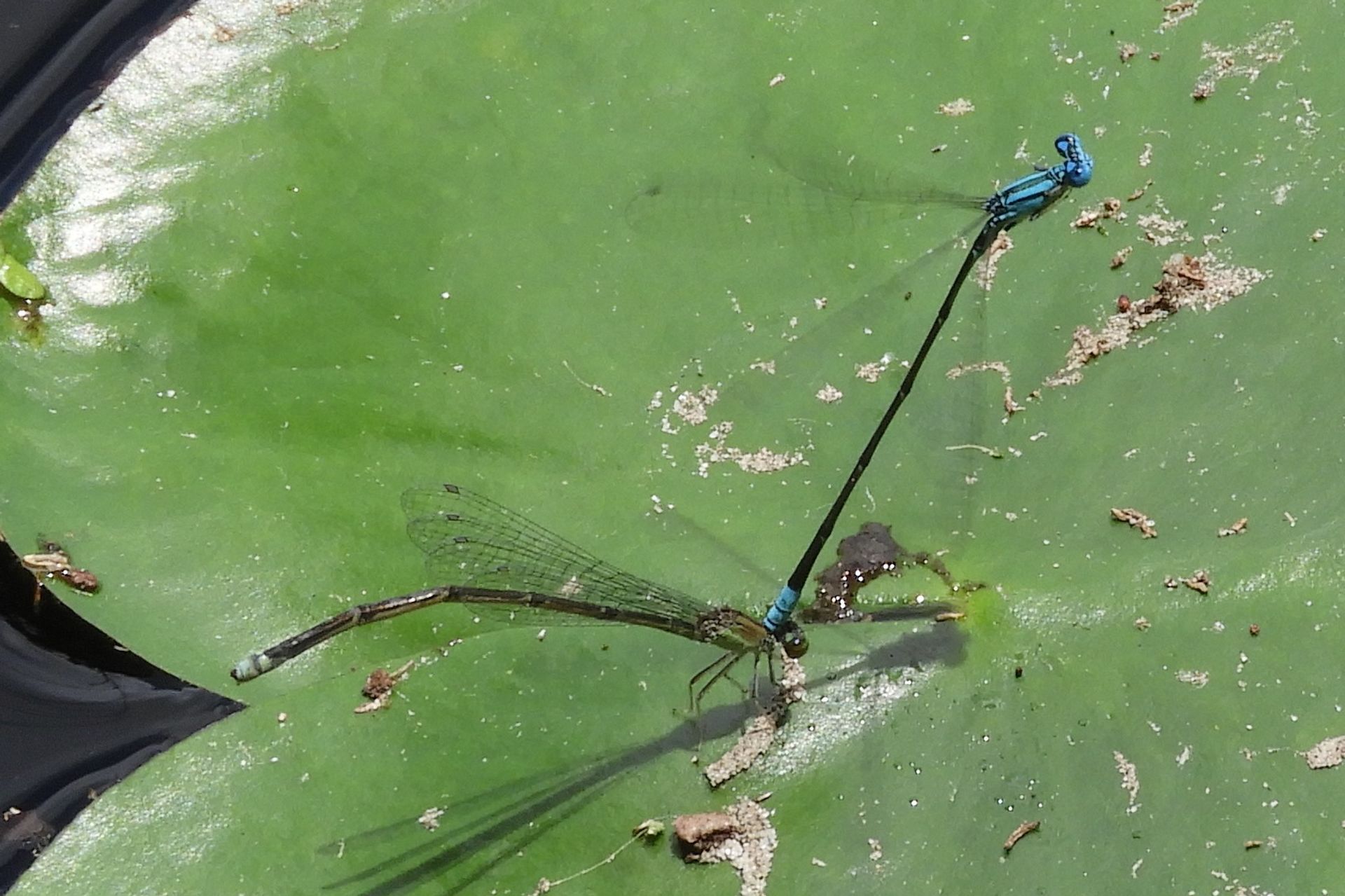
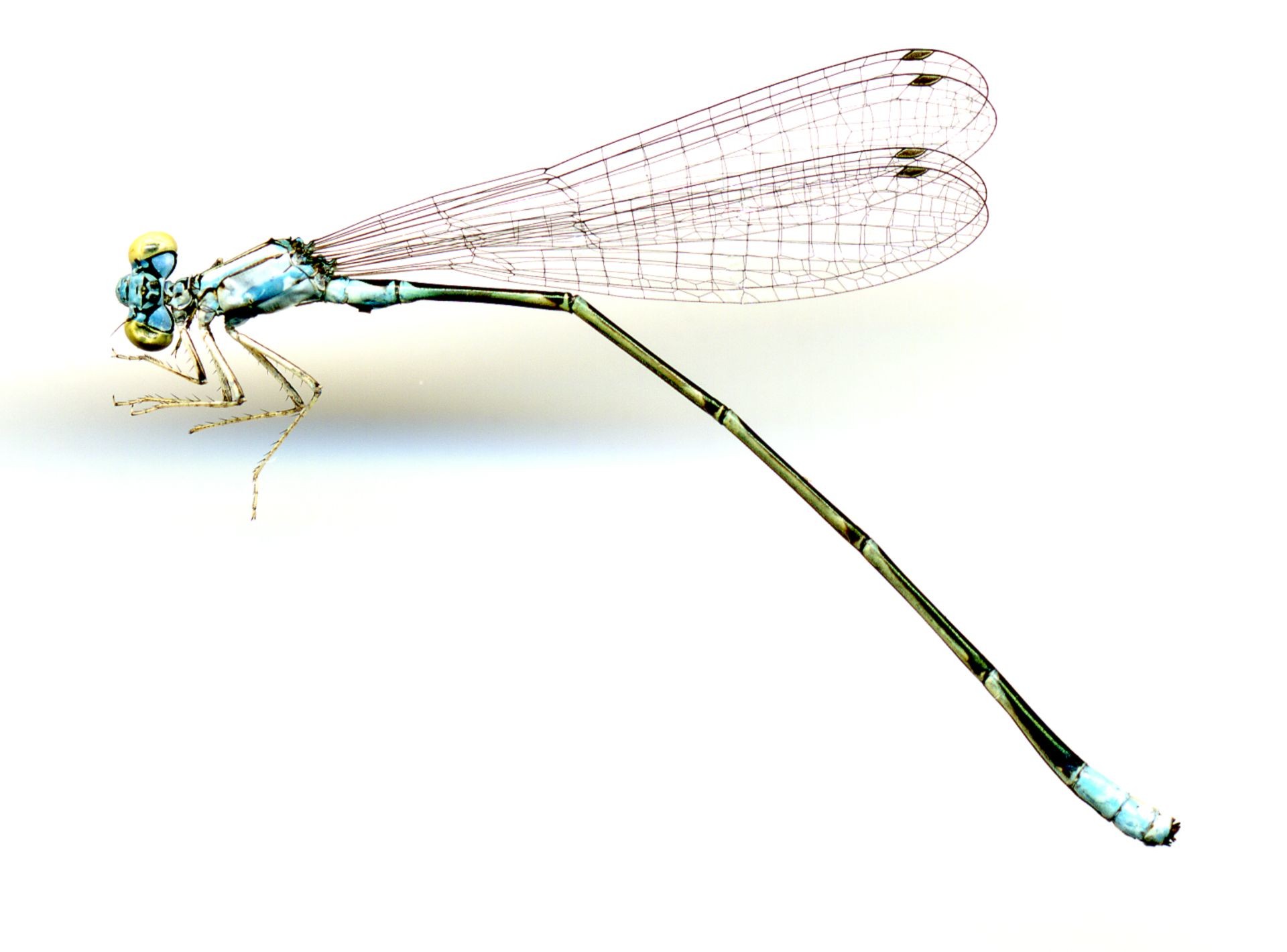
Enallagma pallidum is a in the Coenagrionidae, commonly known as the pale bluet or pallid bluet. The was described by Root in 1923. It is found in North America and holds a Least Concern conservation status according to the IUCN, with a stable and no immediate threats to survival identified.
Pronunciation
How to pronounce Enallagma pallidum: /ɛnˈælæɡmə ˈpælɪdəm/
These audio files are automatically generated. While they are not always 100% accurate, they are a good starting point.
Images
Distribution
North America
More Details
Conservation Status
The IUCN lists Enallagma pallidum as Least Concern (), indicating no immediate threat to the ' survival. The is considered stable.
Taxonomic Authority
First described by Root in 1923. The Enallagma was revised taxonomically by Rosser Garrison in 1984, who conducted extensive doctoral and subsequent research on the and of Enallagma in the western United States.
Sources and further reading
- BugGuide
- Wikipedia
- GBIF taxonomy match
- iNaturalist taxon
- NCBI Taxonomy
- Catalogue of Life
- Dragonfly Enthusiasts, Unite! Open House Set Nov. 6 at Bohart Museum | Bug Squad
- Know Your Dragonflies! | Bug Squad
- Dragonflies! Who Isn't Fascinated by Dragonflies? | Bug Squad
- Bohart Museum Open House: Dragonflies Rule! | Bug Squad
- Hooray for the red, white, and blue! Milkweed longhorned beetle, Tetraopes tetraophthalmus; dogbane tiger moth, Cycnia tenera; and familiar bluet, Enallagma civile — Bug of the Week
- Rising Temperatures Could Stunt Growth, Threaten Survival of Common Damselfly