Leucorrhinia intacta
(Hagen, 1861)
Dot-tailed Whiteface
Leucorrhinia intacta, commonly known as the dot-tailed whiteface, is a of in the Libellulidae. It is one of the most common and widespread species in the Leucorrhinia across North America. Research has documented distinctive reproductive , including female oviposition site selection favoring shallow water and male territorial defense through site-fixed 'dominion' territories. The species has been studied extensively for its behavioral , particularly regarding spatial predictability of breeding activities and aggressive interactions among males.
Pronunciation
How to pronounce Leucorrhinia intacta: //luˌkɔˈrɪniə ɪnˈtæk.tə//
These audio files are automatically generated. While they are not always 100% accurate, they are a good starting point.
Identification
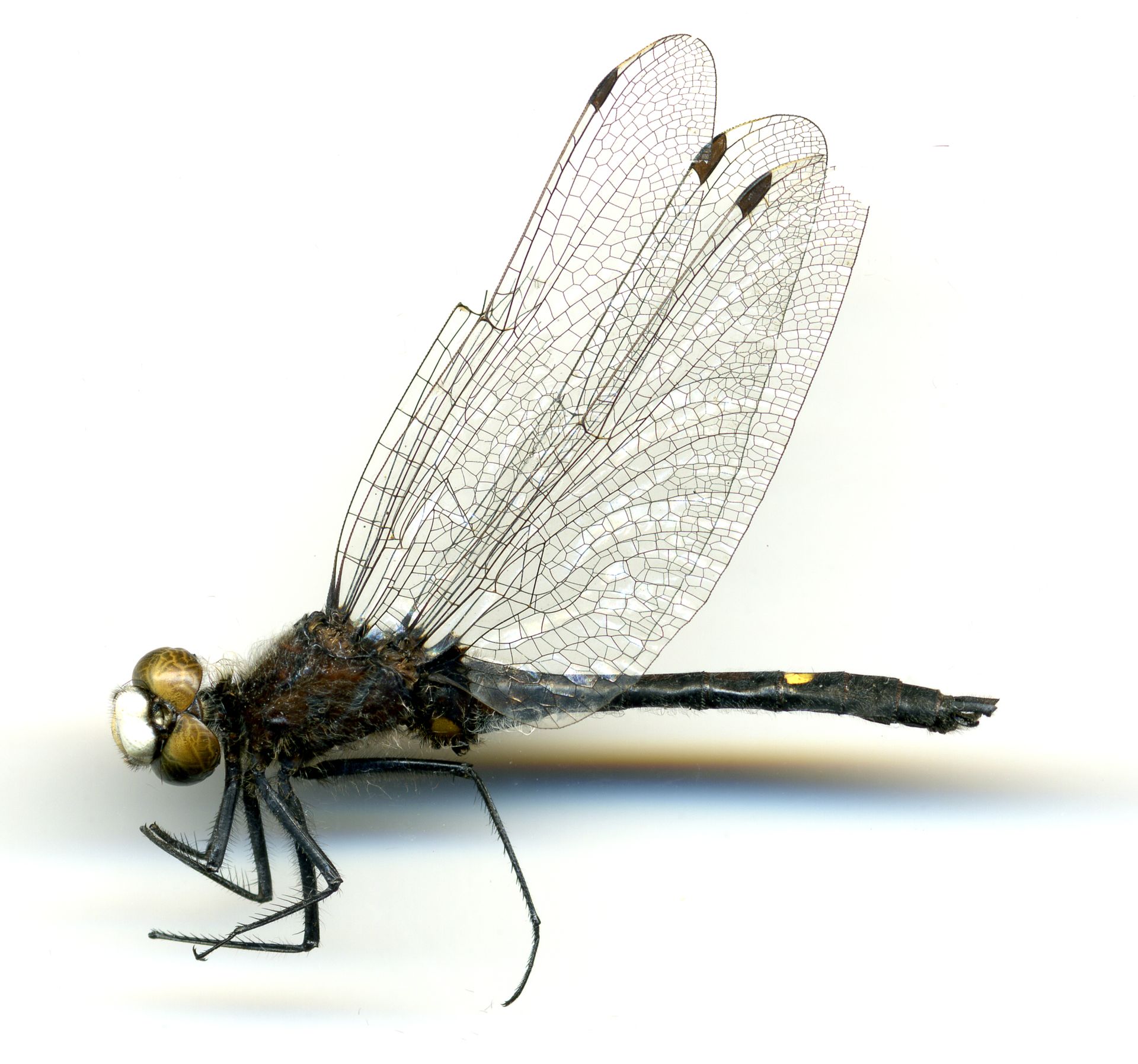
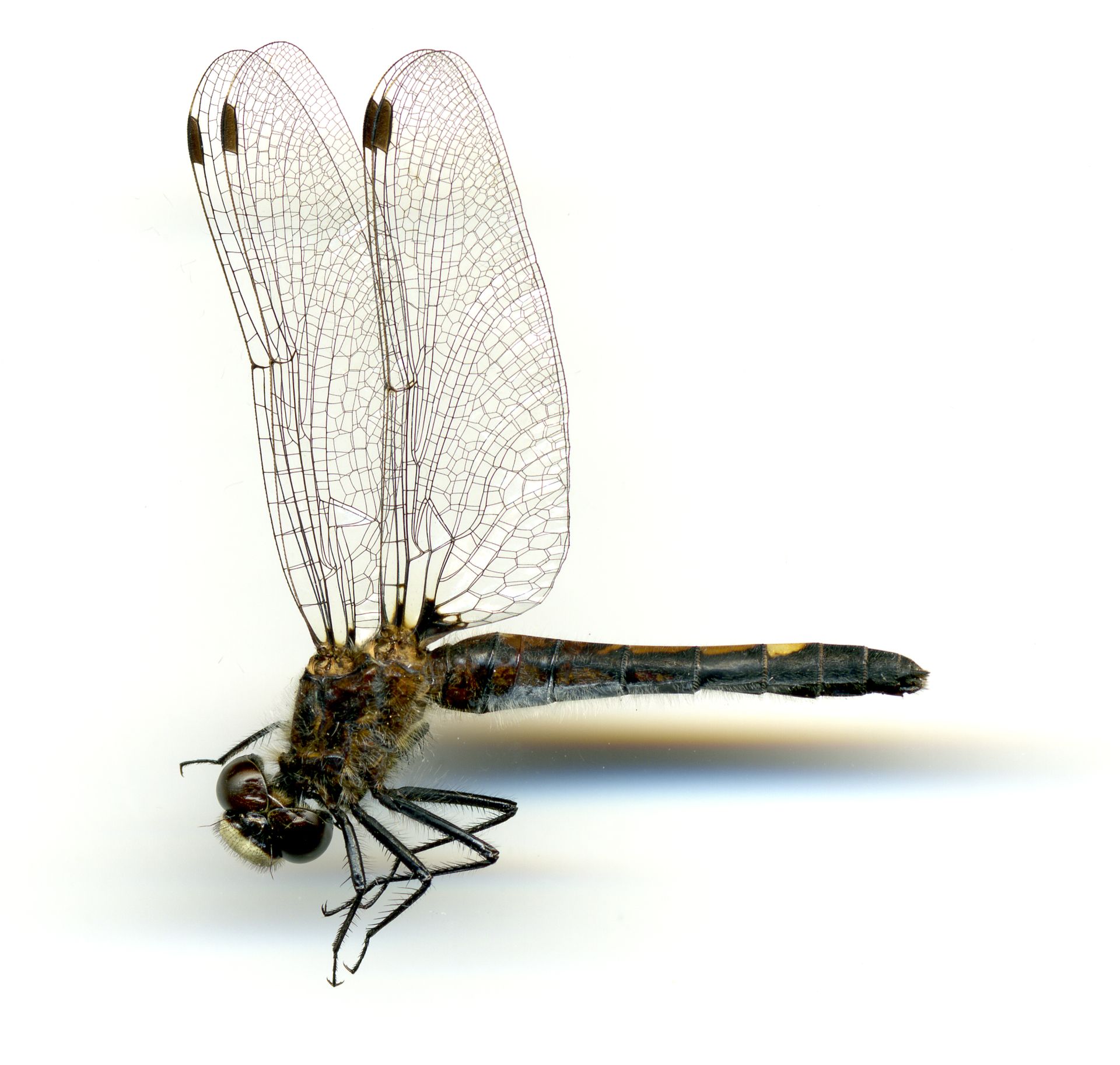
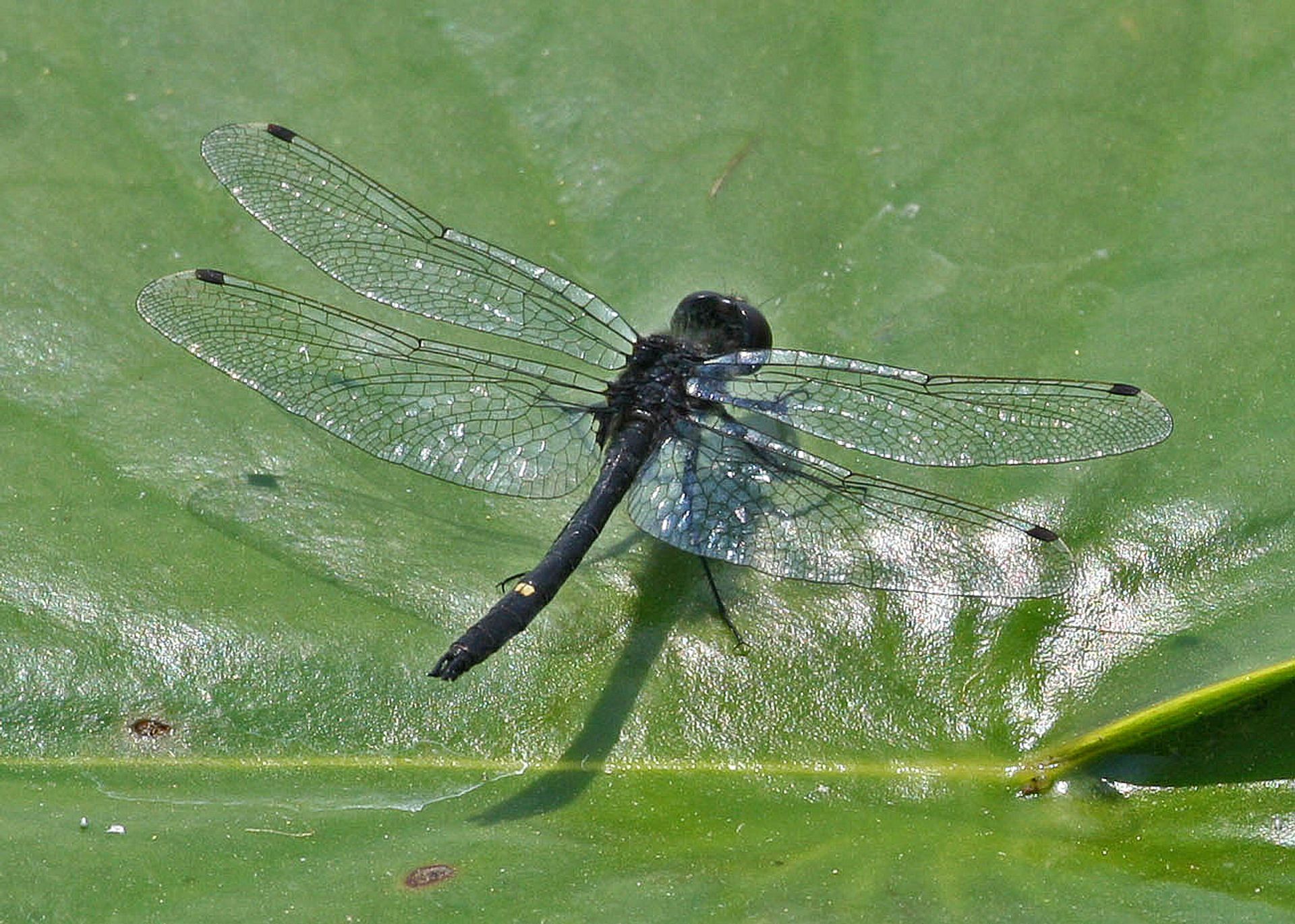
Distinguished from damselflies by wings held open at rest and that are close together rather than separated. Within the Leucorrhinia, identified by the distinctive dot on the and white facial markings. Separated from other libellulid dragonflies by the combination of white and abdominal dot pattern.
Images
Appearance
with long slender body, long wings, and large that nearly cover the . As a member of Anisoptera, wings are held open at rest. The exhibits the characteristic 'whiteface' pattern typical of the Leucorrhinia, with a pale facial area. The 'dot-tailed' refers to a distinctive marking on the .
Habitat
Breeds in small ponds with shallow water areas preferred for oviposition. Shallow water is selected by females due to temperature effects on development time and reduced risk. Males establish territorial perches near these shallow water oviposition sites.
Distribution
North America; specifically documented in Vermont and New York State, with broader distribution across the continent as one of the most widespread Leucorrhinia .
Life Cycle
Undergoes with aquatic nymph stage and terrestrial stage. are laid in shallow water. Nymphs develop in aquatic environments before emerging as adults.
Behavior
Females exhibit oviposition site selection , preferentially using shallow water areas for -laying. Males defend site-fixed territories called 'dominions'—nonexclusive areas where chase probability varies based on intruder distance and behavior. Males primarily chase hovering intruders close to their perch. Territorial defense allows males to stabilize defense costs across varying intruder pressures. Short-term location of females is not spatially predictable, though seasonal use correlates with shallow water availability.
Similar Taxa
- Damselflies (Zygoptera)Damselflies have separated , narrower bodies, and hold wings closed together above the body at rest; Leucorrhinia intacta has contiguous eyes, broader body, and wings held open at rest
- Other Leucorrhinia speciesOther whitefaces lack the distinctive dot on the that characterizes L. intacta
More Details
Research significance
Leucorrhinia intacta has been an important study organism for understanding behavioral , particularly regarding territoriality, oviposition site selection, and the spatial predictability of breeding . Research has shown that while females prefer shallow water for oviposition, their short-term location is unpredictable, preventing males from effectively searching predictably good areas during a single day.
Sources and further reading
- BugGuide
- GBIF taxonomy match
- iNaturalist taxon
- NCBI Taxonomy
- Catalogue of Life
- An Introduction to Dragonflies and Spiders | Bug Squad
- Beauties in the Bog - Buglife Blog - Buglife
- Don't get bogged down with peat... - Buglife Blog - Buglife
- Conservation Translocations: It’s Not Just Beavers - Buglife Blog - Buglife
- My Publications | Beetles In The Bush
- Dominions and site-fixed aggressive behavior in breeding male Leucorrhinia intacta (Odonata: Libellulidae)
- Oviposition Site Selection and Spatial Predictability of Female White‐faced Dragonflies (Leucorrhinia intacta) (Odonata: Libellulidae)