Brachymesia furcata
(Hagen, 1861)
red-tailed pennant
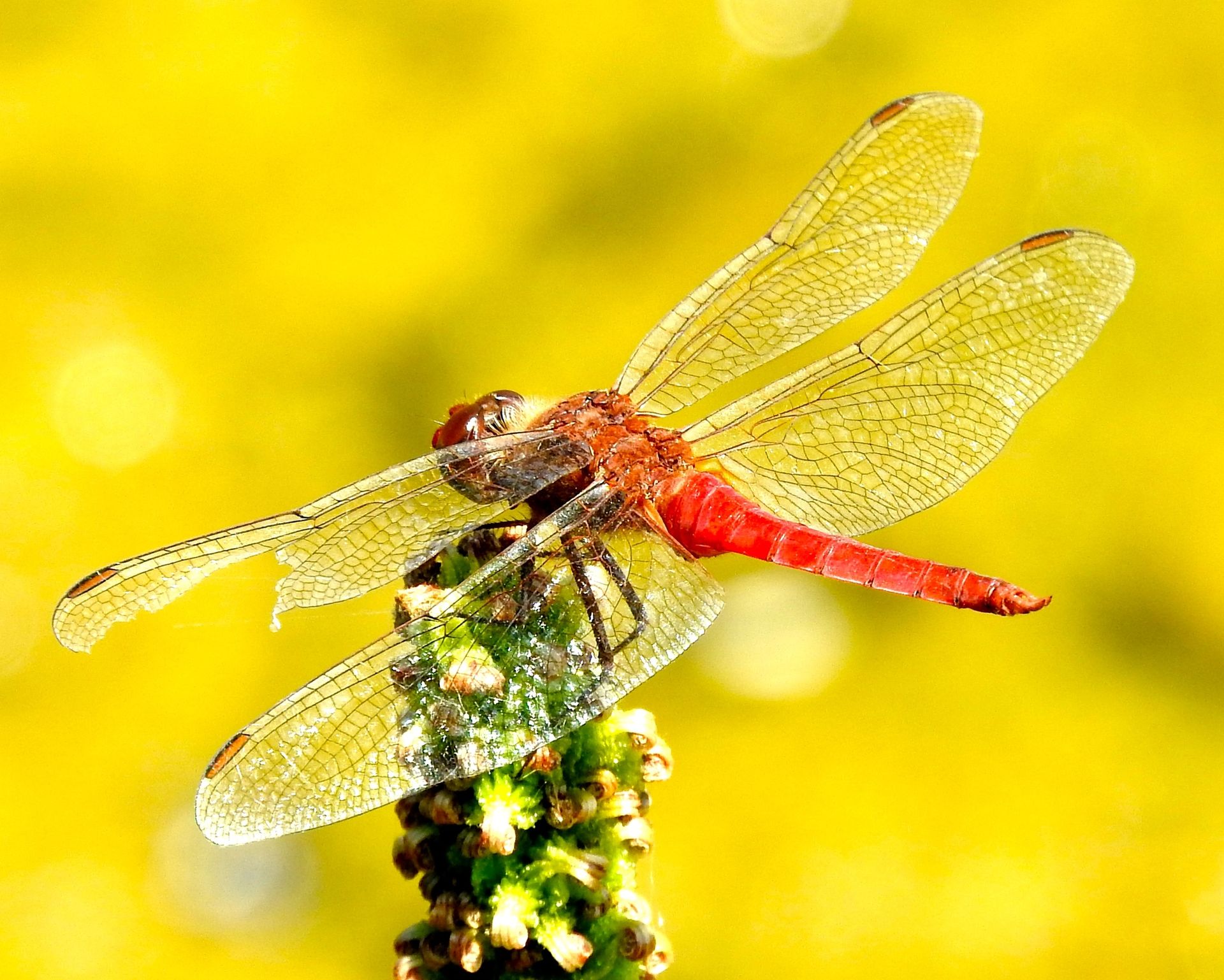
Brachymesia furcata, commonly called the red-tailed pennant, is a of skimmer in the Libellulidae. It is distributed across the Caribbean, Central America, North America, and South America, inhabiting semi-aquatic environments including marshes, ponds, and lakes. The species is designated as Least Concern by the IUCN, with stable as of 2017. are distinguished by their red abdominal tip, which gives the species its .
Pronunciation
How to pronounce Brachymesia furcata: /ˌbrækɪˈmeɪʒə ˈfɜrkətə/
These audio files are automatically generated. While they are not always 100% accurate, they are a good starting point.
Identification
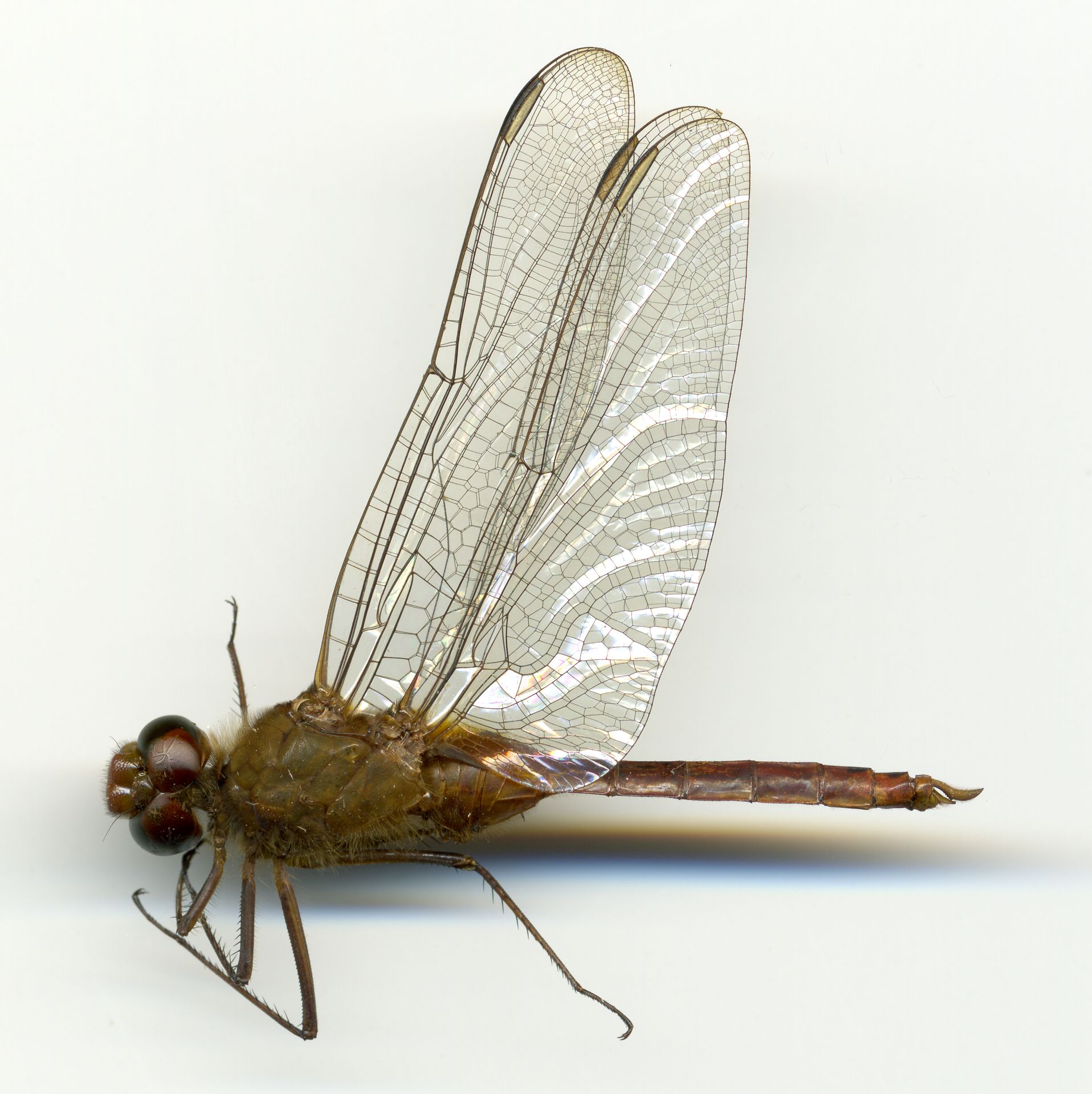
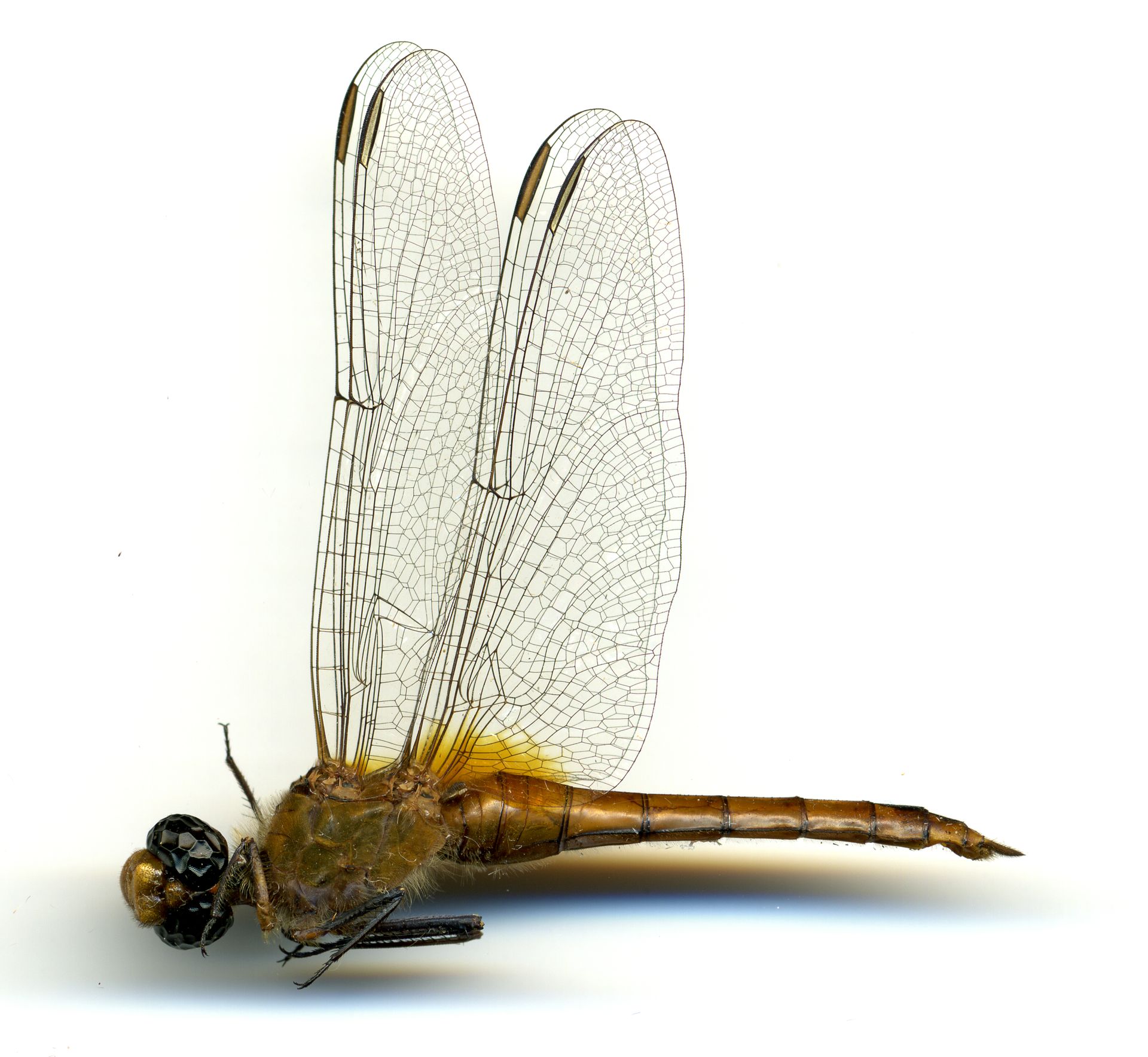
are distinguished from Brachymesia gravida and B. herbida by the conspicuous red coloration at the tip of the . The contiguous and four separate wings are typical of adult in this . Nymphs lack wings and possess six long legs adapted for underwater movement; nymphs of all Brachymesia appear nearly identical.
Images
Habitat
Inhabits semi-aquatic environments including marshes, ponds, lakes, and mildly saline aquatic . remain in semi-aquatic settings after .
Distribution
Recorded from the Caribbean, Central America, North America, and South America. Specific localities include Mexico, Puerto Rico, West Indies, Argentina, and throughout the Americas. GBIF records document presence in Brazil (Bahia, Ceará, Minas Gerais, Mato Grosso do Sul, Paraíba, Pernambuco, Rio de Janeiro, Rio Grande do Sul, Santa Catarina, São Paulo), Colombia (Villavicencio, Meta), and broadly across Caribbean, Middle America, and North America regions.
Diet
feed on small flying insects including flies and mosquitoes.
Life Cycle
The consists of three stages: , nymph, and . Eggs are laid in still-water conditions on submerged aquatic plants or directly into water. Nymphs inhabit bottom debris and aquatic vegetation, which provide sustenance and . After several , nymphs transition to adulthood. time is known to be fast, though exact intervals vary with local environmental conditions.
Ecological Role
Nymphs serve as prey for aquatic and occupy a position in aquatic . function as aerial predators of small flying insects.
Human Relevance
have been documented with detectable concentrations of ivermectin, a cattle medication, in larvae along the Parana Medio River; adverse effects have not been observed. The is not considered threatened and holds no significant economic importance.
Similar Taxa
- Brachymesia gravidaClosely related congeneric found in similar semi-aquatic ; distinguished by coloration patterns
- Brachymesia herbidaClosely related congeneric with overlapping distribution; distinguished by coloration patterns
Sources and further reading
- BugGuide
- Wikipedia
- GBIF taxonomy match
- iNaturalist taxon
- NCBI Taxonomy
- Catalogue of Life
- Bodil Cass and 'The Curious Case of Katydids in California Citrus' | Bug Squad
- Bug Eric: Fork-tailed Bush Katydid
- 🪲 Entomologizing w/ the WGNSS Entomology Group at Hughes Mountain Natural Area — 11 Oct 2025 | Beetles In The Bush
- Bug Eric: Grand Finale