
Stenogomphurus rogersi
(Gloyd, 1936)
Sable Clubtail
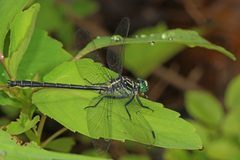
Stenogomphurus rogersi, commonly known as the Sable Clubtail, is a of in the Gomphidae. It was originally described as Gomphus rogersi by Gloyd in 1936 and later transferred to the Stenogomphurus. The species belongs to the clubtail group, characterized by expanded terminal abdominal segments in males. It is a North American with a documented but limited distribution.
Pronunciation
How to pronounce Stenogomphurus rogersi: /ˌstɛnoʊˈɡɒmfərəs ˈroʊdʒərsaɪ/
These audio files are automatically generated. While they are not always 100% accurate, they are a good starting point.
Identification
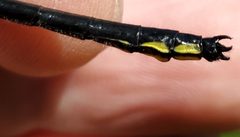
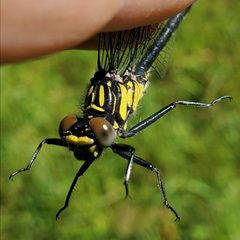
As a member of Stenogomphurus, this likely exhibits the -characteristic clubbed with expanded terminal segments, particularly pronounced in males. Separation from such as Stenogomphurus consanguis (Cherokee Clubtail) and other eastern North American clubtails requires examination of abdominal patterning, shape, and thoracic stripe configuration. Specific diagnostic features for S. rogersi remain poorly documented in accessible literature.
Images
Distribution
Eastern North America. Documented occurrence records indicate presence in the United States, with the range centered in the southeastern and mid-Atlantic regions. Precise range boundaries require verification from primary sources.
Similar Taxa
- Stenogomphurus consanguisOverlapping range in eastern North America; both share -characteristic clubbed and require careful examination of abdominal patterning and male terminal appendages for reliable separation.
- Gomphus speciesHistorical confusion due to original placement in Gomphus; superficially similar clubbed structure, but Stenogomphurus is distinguished by specific wing venation and genitalic characters.
More Details
Taxonomic History
Originally described as Gomphus rogersi Gloyd, 1936. The was subsequently transferred to Stenogomphurus, a erected to accommodate several North American clubtail species previously placed in Gomphus. The genus Stenogomphurus is distinguished from Gomphus primarily on the basis of male genitalic and wing venation characters.