
Hagenius brevistylus
Selys, 1854
Dragonhunter, Black Dragon
Hagenius brevistylus, commonly known as the dragonhunter, is a large, distinctive clubtail ( Gomphidae) native to eastern North America. are notable aerial with a documented propensity for hunting other Odonata, including other dragonflies and damselflies. The has been observed using postural adjustments for behavioral . Larvae develop in aquatic and possess specialized adaptations for .
Pronunciation
How to pronounce Hagenius brevistylus: //hɑˈɡɛniəs brɛvɪˈstaɪləs//
These audio files are automatically generated. While they are not always 100% accurate, they are a good starting point.
Identification
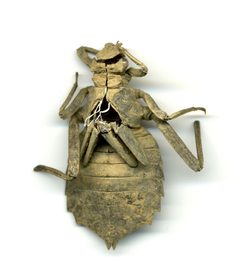
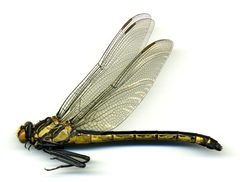
Large size distinguishes H. brevistylus from most other clubtails; are among the largest gomphids in North America. Clubbed tip, characteristic of Gomphidae. Dark coloration with yellow markings. Wings typically held spread when at rest, unlike damselflies. Larvae have flattened, sprawling legs adapted for clinging to substrates in flowing water.
Images
Habitat
Riparian environments including slow-moving creeks, streams, and rivers. Associated with wooded stream banks and pond edges in forested landscapes.
Distribution
Eastern United States and southeastern Canada. Records from Vermont and throughout the Appalachian region.
Diet
are aerial that capture prey in using spiny legs held basket-like beneath the body. Documented prey includes other Odonata (dragonflies and damselflies), , butterflies, and bees. Nymphs are aquatic predators consuming mosquito larvae, other aquatic , and small vertebrates including tadpoles and small fish.
Life Cycle
deposited in water. Nymphal development occurs underwater; nymphs exit water, climb vegetation, and emerge as through . stage not specified in available sources.
Behavior
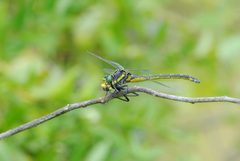
Uses postural adjustments for behavioral . Aerial hunting typically conducted in ; prey often consumed while flying or on nearby vegetation and stones. rest with wings widespread on vegetation near water.
Ecological Role
Significant aquatic as nymph; contributes to regulation of mosquito larval . serves as aerial predator in riparian . Prey for other predators (specific not documented in sources).
Human Relevance
Similar Taxa
- Other Gomphidae (clubtails)Shared characteristics including clubbed ; distinguished by larger size and more aggressive predatory toward other Odonata
- Aeshnidae (darners)Similar large size and aerial predatory habit; distinguished by lack of clubbed and different wing venation
- Damselflies (Zygoptera)Often sympatric and subject to by H. brevistylus; distinguished by slender bodies, separated by gap, and wings folded together at rest
Sources and further reading
- BugGuide
- GBIF taxonomy match
- iNaturalist taxon
- NCBI Taxonomy
- Catalogue of Life
- When pearly-eye meets dragonfly: Northern pearly-eye, Enodia anthedon, and clubtail dragonflies, Gomphidae spp. — Bug of the Week
- Safeguarding Biodiversity: An Entomologist's Goal as Government Policy Analyst
- Hagenius brevistylus Archives - Entomology Today
- The Role of Posturing in Behavioral Thermoregulation by Black Dragons (Hagenius brevistylus Selys; Odonata)