
Triacanthagyna trifida
(Rambur, 1842)
Phantom Darner
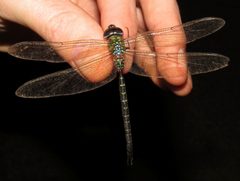
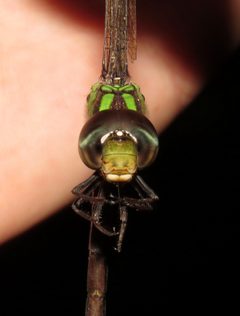
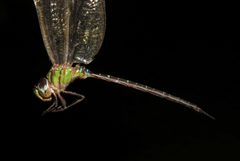
Triacanthagyna trifida, commonly known as the Phantom Darner, is a large in the Aeshnidae. It is one of approximately 20 in the Triacanthagyna, a group of neotropical darners characterized by their distinctive three-toothed claspers. The species occurs across a broad geographic range spanning North, Central, and South America as well as the Caribbean. are known for their activity patterns, being most active at dusk.
Pronunciation
How to pronounce Triacanthagyna trifida: /traɪˌækænˈθædʒɪnə ˈtraɪfɪdə/
These audio files are automatically generated. While they are not always 100% accurate, they are a good starting point.
Identification
Triacanthagyna trifida can be distinguished from other aeshnid by the tridentate (three-toothed) structure of the male claspers, which gives the its name. The specific epithet 'trifida' refers to this three-part division. Within the genus, it may be separated from by details of abdominal patterning and the precise of the claspers, though specific diagnostic characters require examination of specimens. The 'Phantom Darner' alludes to its habit of appearing suddenly at dusk.
Images
Distribution
Caribbean, Middle America, North America, and South America. The has a broad neotropical and nearctic distribution, with records from multiple countries across these regions.
Seasonality
are most active during periods, particularly at dusk.
Behavior
exhibit activity patterns, being most active at dusk. This twilight is characteristic of the and the basis for its .
Similar Taxa
- Triacanthagyna speciesOther members of the share the three-toothed clasper structure and general body plan; precise identification requires examination of male terminalia and abdominal patterning.
- Other AeshnidaeLarge darners in general share similar body shape and size; Triacanthagyna is distinguished by the tridentate claspers and neotropical distribution.