Remartinia
Navás, 1911
Species Guides
2- Remartinia luteipennis(Malachite Darner)
- Remartinia secreta(Secretive Darner)
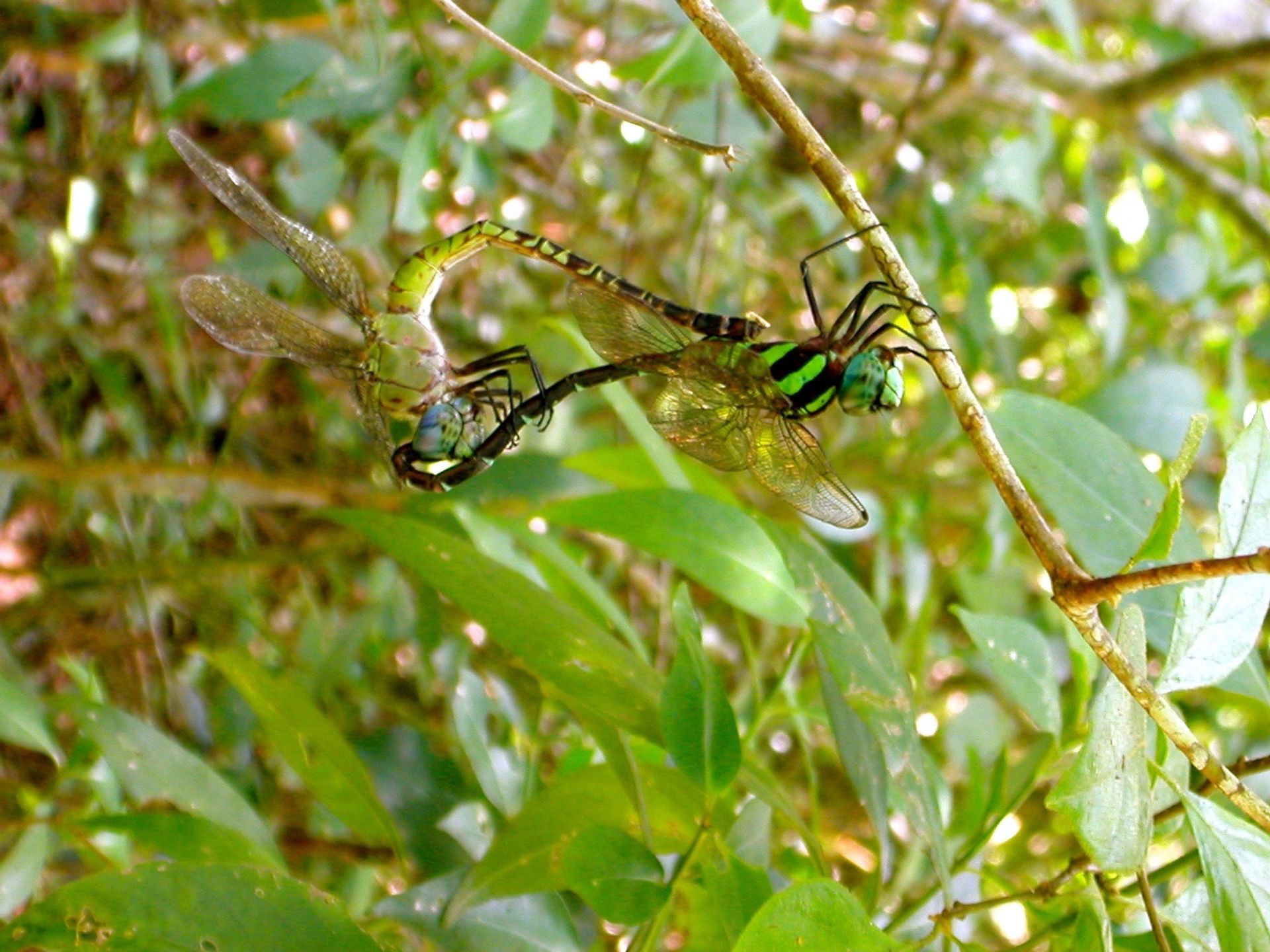
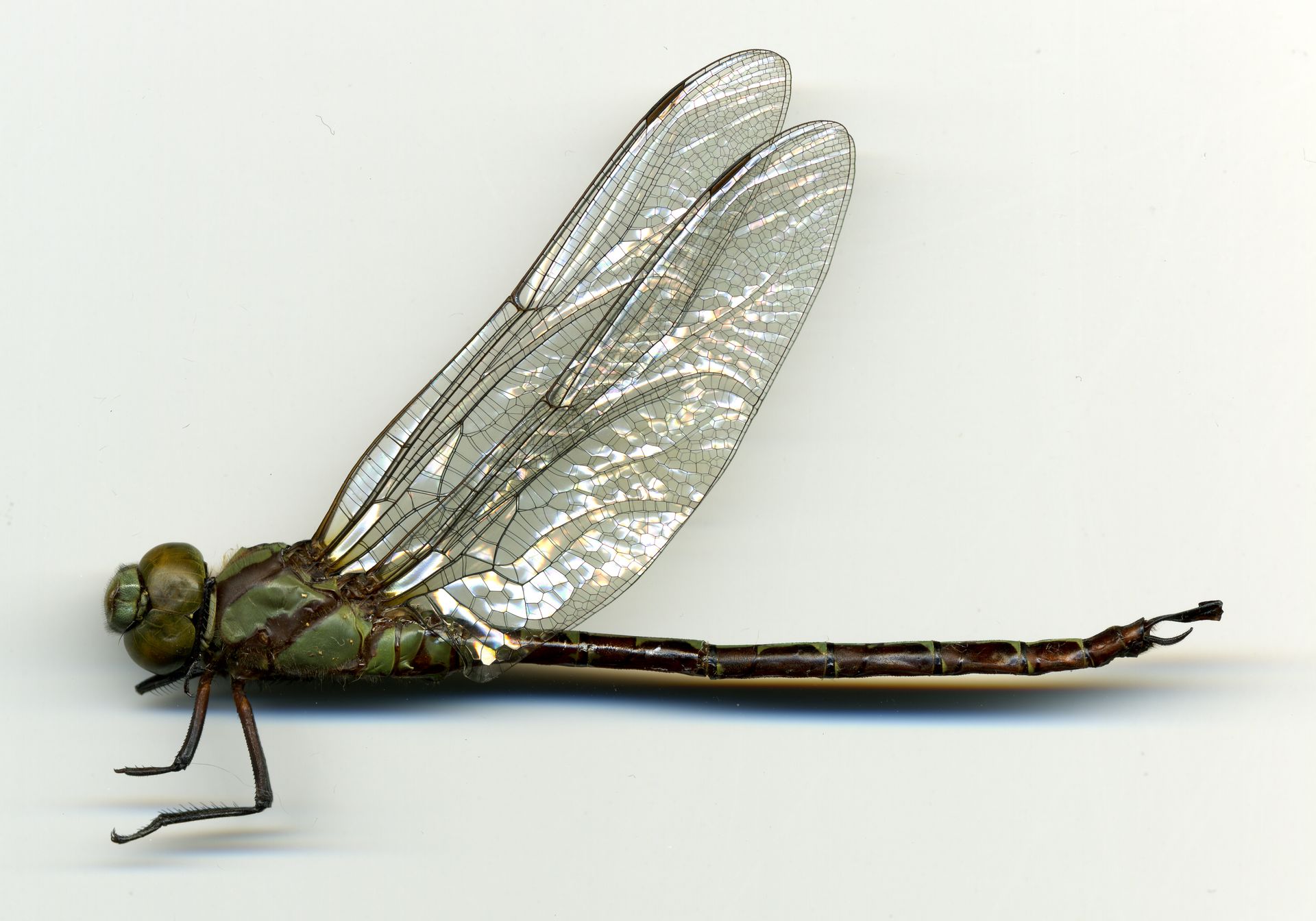
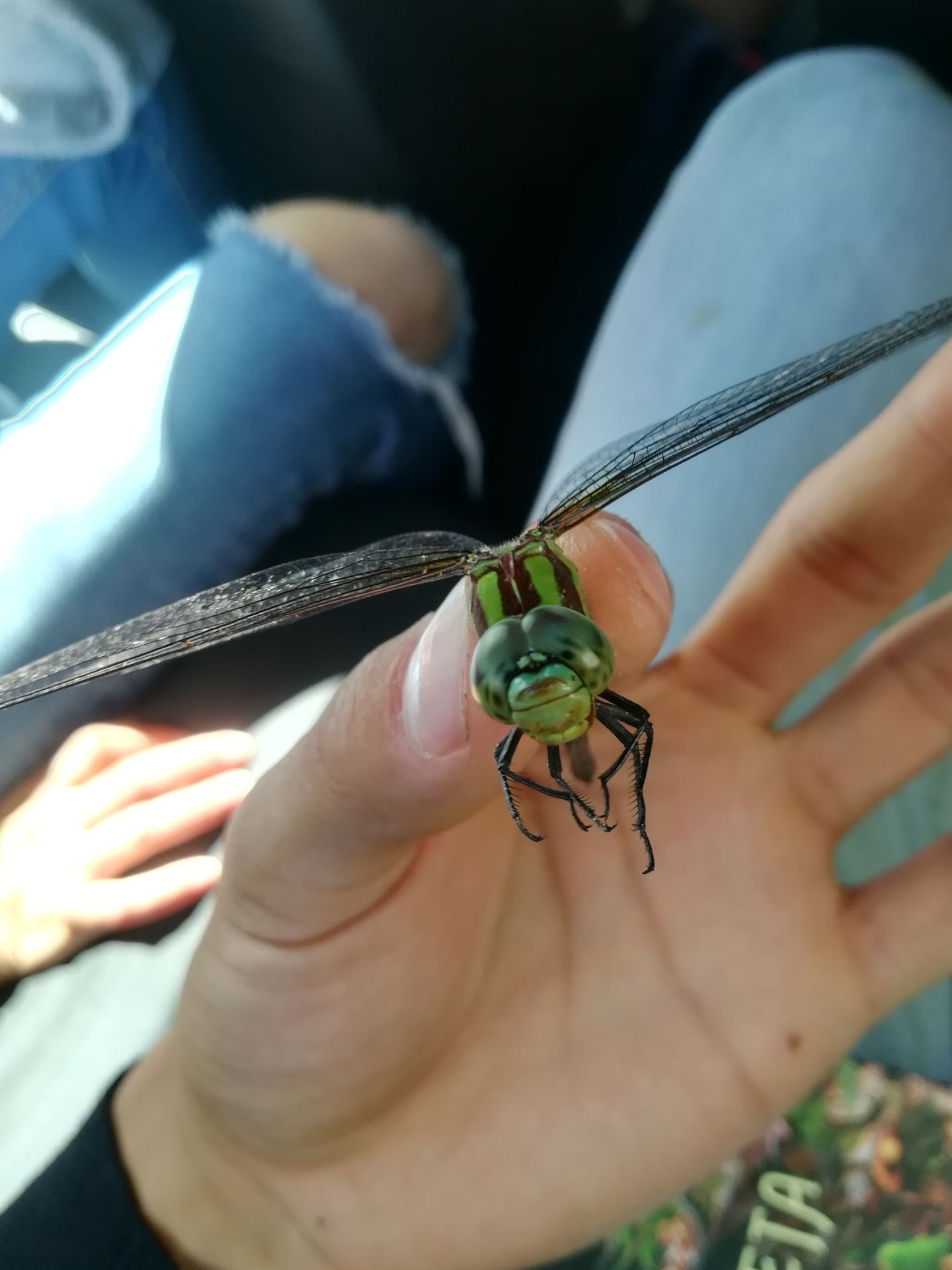
Remartinia is a of darners () in the Aeshnidae, established by Navás in 1911. The genus contains at least four described distributed in the Neotropical region. Species within this genus are medium to large-sized dragonflies with the characteristic robust build of aeshnids. The malachite darner (Remartinia luteipennis) is the most widely known species, named for its distinctive green coloration.
Pronunciation
How to pronounce Remartinia: /rɛ.mɑːrˈtɪ.ni.ə/
These audio files are automatically generated. While they are not always 100% accurate, they are a good starting point.
Identification
-level identification within Remartinia requires examination of wing venation, male appendages, and female subgenital plate structure. The can be distinguished from other Aeshnidae by genitalic characters, particularly the shape of the male and . R. luteipennis is recognizable by its bright green and yellowish wing bases. R. rufipennis has reddish wing bases as indicated by its specific epithet. Reliable identification to species typically requires close examination and is best confirmed by .
Images
Habitat
Associated with tropical and subtropical freshwater . have been recorded from forested streams and rivers. Specific microhabitat preferences vary by species but generally include flowing water environments with riparian vegetation.
Distribution
Neotropical distribution, with records from Colombia (CO) confirmed in distribution databases. The occurs in Central and South America. R. luteipennis has the broadest range, extending from Mexico through Central America to northern South America. R. restricta is known from Brazil. R. rufipennis and R. secreta have more restricted ranges in Central and northern South America.
Life Cycle
Oviposition in or near water; larvae are aquatic in streams and rivers. Developmental details specific to Remartinia are not well documented in available literature, but follow the general aeshnid pattern of extended larval development in flowing water .
Ecological Role
are aerial capturing flying insects. Larvae function as aquatic predators in freshwater , contributing to regulation in Neotropical stream .
Human Relevance
Limited direct human interaction. R. luteipennis is occasionally noted by odonatologists and naturalists for its distinctive coloration. No documented economic or medical significance.
Similar Taxa
- AeshnaSimilar large size and general darner , but Aeshna lack the distinctive wing coloration found in some Remartinia and have different male genitalic structure.
- AnaxBoth are large green darners, but Anax typically have a more streamlined and different wing venation; Anax lacks the colored wing bases characteristic of Remartinia luteipennis and R. rufipennis.
- GynacanthaSimilar Neotropical aeshnid distribution, but Gynacantha generally have more slender and different thoracic patterning; male appendages differ structurally.
More Details
Taxonomic history
The was established by Spanish entomologist Longinos Navás in 1911. The type is Remartinia luteipennis, originally described as Aeshna luteipennis by Burmeister in 1839.
Etymology
The name honors Remartin, though specific biographical details of this person are not widely documented in available sources.