
Gynacantha
Rambur, 1842
two-spined darners, duskhawkers, double-spined darners
Species Guides
2- Gynacantha mexicana(bar-sided darner)
- Gynacantha nervosa(twilight darner)
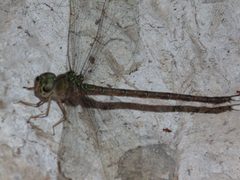
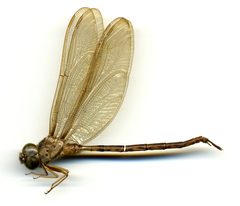
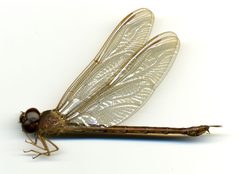
Gynacantha is a of in the Aeshnidae. Females possess two prominent spines under the last abdominal segment, the diagnostic trait giving rise to the genus name (from Greek '' meaning female and 'acantha' meaning thorn) and the 'two-spined darners'. Members are also known as 'duskhawkers', suggesting activity patterns. The genus was established by Rambur in 1842.
Pronunciation
How to pronounce Gynacantha: //ˌdʒaɪnəˈkænθə//
These audio files are automatically generated. While they are not always 100% accurate, they are a good starting point.
Identification
The paired spines on the female's terminal abdominal segment are unique among Aeshnidae and immediately diagnostic for the . The 'duskhawkers' may indicate relatively subdued coloration compared to brighter aeshnids, and potentially activity. Males lack the prominent spines and may require examination of secondary genitalia or association with females for confident identification.
Images
Appearance
Distribution
Records indicate presence in Colombia (CO). The is known from tropical and subtropical regions, though precise range boundaries require further documentation.
Behavior
The 'duskhawkers' suggests activity during dusk or dawn periods, though this has not been systematically documented across all .
Similar Taxa
More Details
Etymology
The name derives from Greek '' (female) and 'acantha' (thorn/spine), directly referencing the diagnostic female abdominal spines.