
Aeshna constricta
Say, 1840
Lance-tipped Darner
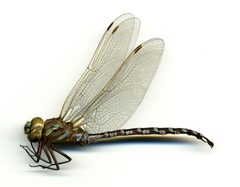
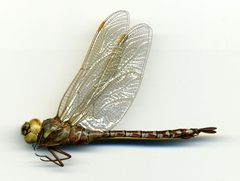
Aeshna constricta, commonly known as the Lance-tipped Darner, is a large in the Aeshnidae. It is distributed across North America and holds a conservation status of Least Concern with a stable . The species is one of approximately 30 species in the diverse Aeshna, which are among the largest and most powerful fliers in the dragonfly order.
Pronunciation
How to pronounce Aeshna constricta: /ˈiːʃ.nə kənˈstrɪk.tə/
These audio files are automatically generated. While they are not always 100% accurate, they are a good starting point.
Identification
Distinguished from other Aeshna by the constricted or narrowed appearance of the abdominal tip (the 'lance-tipped' characteristic referenced in its ). Accurate identification to species level within Aeshna typically requires examination of abdominal patterning, thoracic stripes, and male terminal appendages.
Images
Appearance
Habitat
Found in a variety of freshwater across its North American range. Specific habitat preferences such as pond, lake, or stream associations are not documented in available sources.
Distribution
North America. Specific range details beyond continental distribution are not provided in available sources.
Seasonality
activity period not specified in available sources. As with most temperate-zone Aeshna , likely active during summer months, but this is not confirmed for this species.
Life Cycle
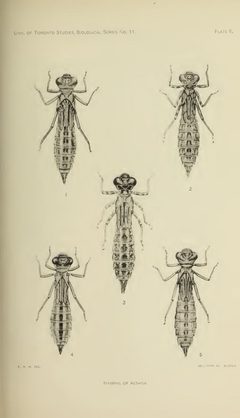
Undergoes typical of Odonata: , nymph (aquatic larval stage), and . Specific details regarding egg-laying substrate, nymphal development duration, or timing are not documented in available sources.
Behavior
As a member of the Aeshnidae, are strong, sustained fliers that patrol territories and capture prey on the wing. Specific behavioral observations for this are not recorded in available sources.
Ecological Role
function as aerial of flying insects. Nymphs are aquatic predators of small . Specific roles or quantitative impacts are not documented in available sources.
Human Relevance
Not known to have significant negative or positive economic impacts. Observed and photographed by naturalists and enthusiasts; 3,366 observations recorded on iNaturalist as of source date.
Similar Taxa
- Other Aeshna speciesCongeneric darners share large size, meeting dorsally, and similar overall body plan. Differentiation requires careful examination of abdominal tip shape and pattern details.
More Details
Conservation Status
IUCN status reviewed in 2017 and listed as Least Concern () with stable and no immediate threats to survival.
Taxonomic Authority
Originally described by Thomas Say in 1840 (or 1839 in some sources), making it one of the earlier-described North American darner .
Sources and further reading
- BugGuide
- Wikipedia
- GBIF taxonomy match
- iNaturalist taxon
- NCBI Taxonomy
- Catalogue of Life
- Beauties in the Bog - Buglife Blog - Buglife
- Bug Eric: New Mexico Dragonfly Blitz - Day 2
- Don't get bogged down with peat... - Buglife Blog - Buglife
- Bug Eric: Moth Monday: Palo Verde Webworm
- A new species of Xenorhipus from Baja California | Beetles In The Bush
- Belostomatidae | Beetles In The Bush