
Mexoleon
Stange, 1994
Species Guides
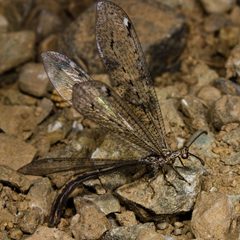
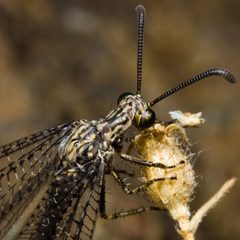
1Mexoleon is a of antlions ( Myrmeleontidae) containing at least two described : M. mixtecus and M. papago. The genus was established by Stange in 1994. Like other antlions, are neuropteran insects with large, transparent wings, while larvae are predatory and construct pit traps in sandy substrates.
Pronunciation
How to pronounce Mexoleon: /mɛks.oʊˈliː.ən/
These audio files are automatically generated. While they are not always 100% accurate, they are a good starting point.
Identification
Images
Distribution
The is known from North America, with M. mixtecus described from Mexico and M. papago from the southwestern United States (Arizona region based on the epithet referencing the Papago people).
Ecological Role
As antlions, larvae likely function as sit-and-wait of small soil-dwelling arthropods, particularly ants. may contribute to pollination through incidental pollen transfer while feeding on nectar.
Similar Taxa
- MyrmeleonThe type of Myrmeleontidae; Mexoleon can be distinguished by more derived wing venation and genitalic characters as established in Stange's 1994 revision.
- BrachynemurusAnother Nearctic antlion with superficially similar ; Mexoleon typically have distinct forewing markings and male claspers that differ in structure.
More Details
Taxonomic history
The was erected by Lionel A. Stange in 1994 to accommodate previously placed in other genera based on revised morphological analysis. The specific epithet 'mixtecus' refers to the Mixtec people of Oaxaca, Mexico, while 'papago' refers to the Tohono O'odham (historically called Papago) of Arizona and Sonora.