Panorpa submaculosa
Carpenter, 1931
common scorpionfly
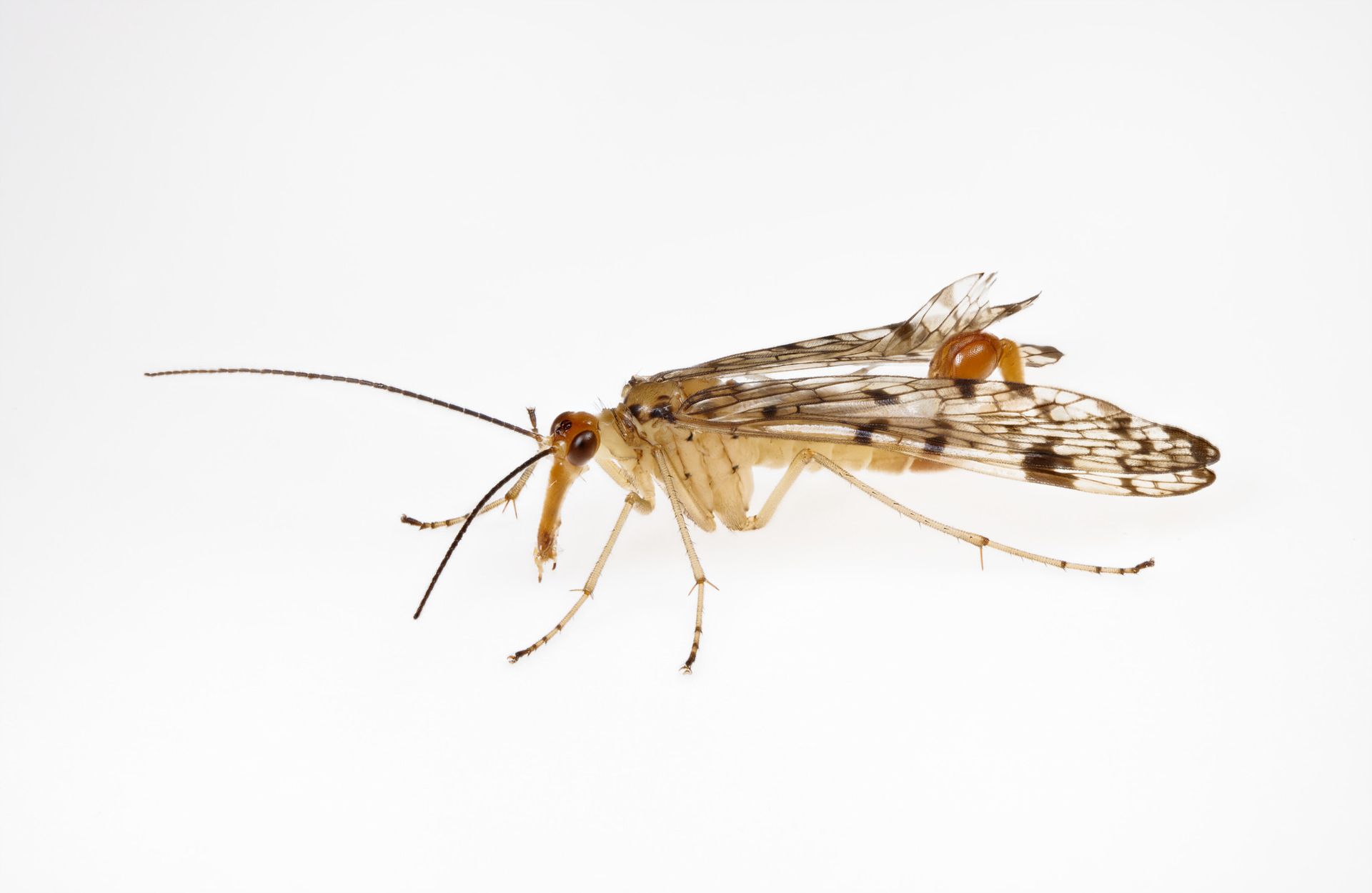
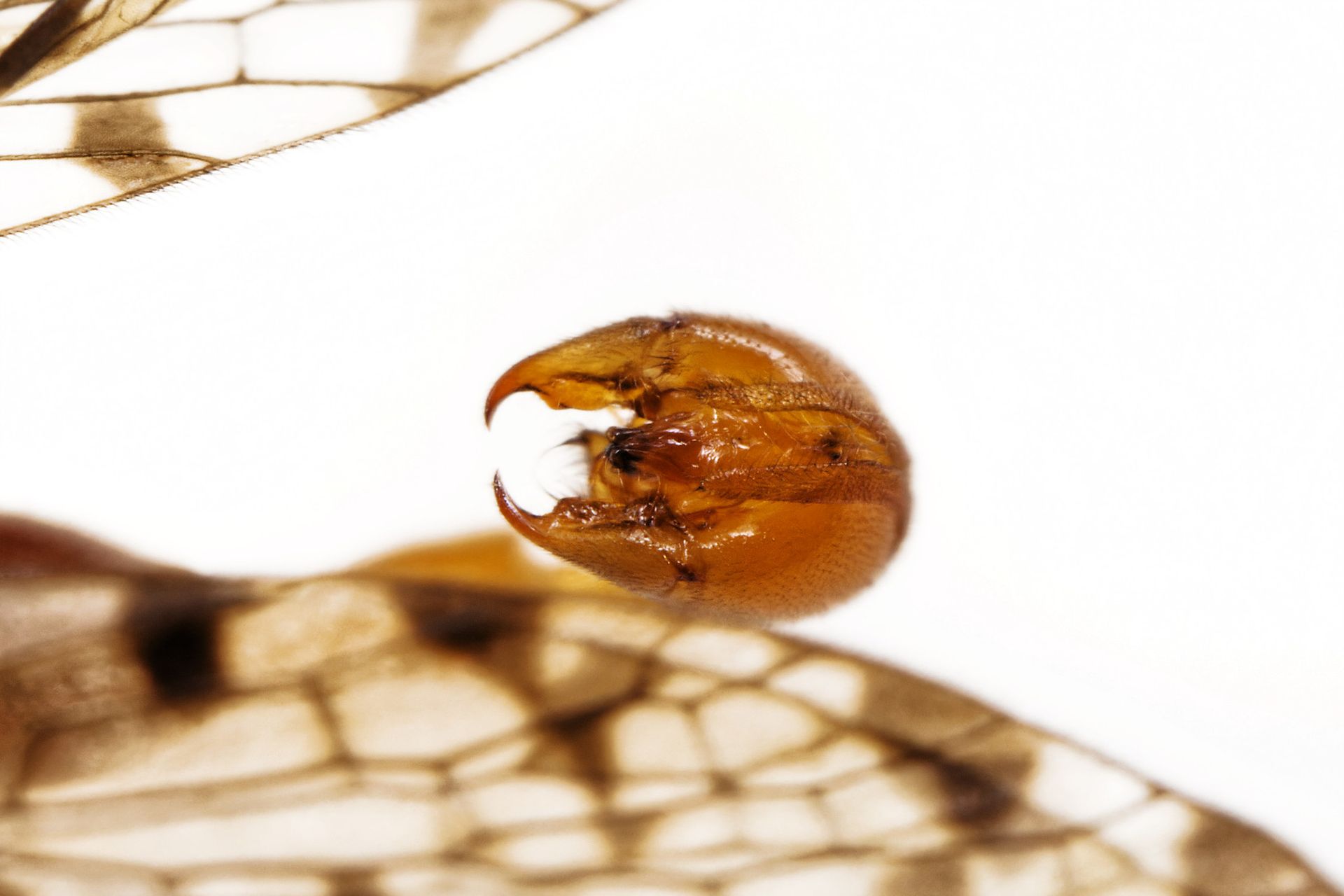
Panorpa submaculosa is a of in the Panorpidae, first described by Carpenter in 1931. It belongs to the order Mecoptera, a small group of holometabolous insects commonly known as scorpionflies due to the enlarged, upturned claspers of males that resemble a 's stinger. The species is recorded from North America, though specific details about its and remain limited in the available literature. Like other members of the Panorpa, it likely inhabits moist woodland environments where feed opportunistically and larvae develop in soil and leaf litter.
Pronunciation
How to pronounce Panorpa submaculosa: /pəˈnɔr.pə sʌb.mæk.juˈloʊ.sə/
These audio files are automatically generated. While they are not always 100% accurate, they are a good starting point.
Images
Habitat
Moist woodland environments, particularly dense forests with abundant leaf litter and damp soil conditions. Based on observations of such as Panorpa helena, the likely frequents wet bottomland forests and shaded riparian corridors.
Distribution
North America. The precise range within the continent is not well documented, though GBIF and iNaturalist records confirm presence in the region.
Similar Taxa
- Panorpa helenaBoth are North American of common scorpionflies in the Panorpa with yellow-banded wings. Panorpa helena is distinguished by three complete dark bands across the wings and an anal horn on the sixth abdominal in males; specific diagnostic features for P. submaculosa are not documented but likely involve differences in wing pattern and male genitalia.
- Panorpa nuptialisAnother North American that has been documented feeding on human cadaver fluids in forensic studies. P. nuptialis may overlap in distribution and , with identification requiring examination of male genitalia and wing banding patterns.
Sources and further reading
- BugGuide
- Wikipedia
- GBIF taxonomy match
- iNaturalist taxon
- NCBI Taxonomy
- Catalogue of Life
- Panorpidae | Beetles In The Bush
- Forensic Entomology is More than Just Blow Flies and Beetles
- May | 2012 | Beetles In The Bush | Page 2
- One-shot Wednesday | Beetles In The Bush
- Bug Eric: January 2012
- Archives | Beetles In The Bush