Panorpa subfurcata
Westwood, 1846
Forked Scorpionfly
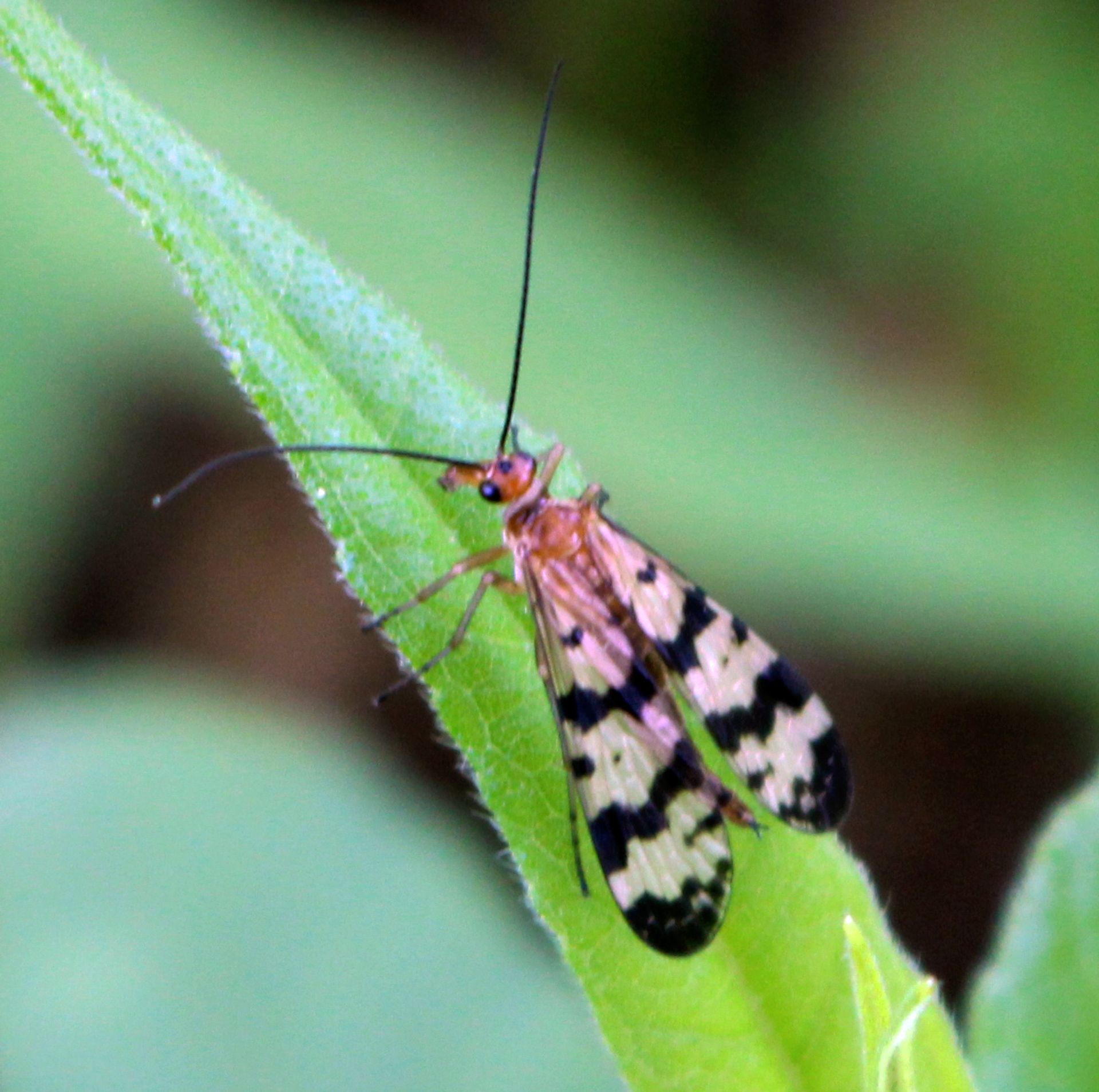
Panorpa subfurcata is a of in the Panorpidae, commonly known as the Forked Scorpionfly. It is found in North America, with distribution records from the United States including Vermont. The species was first described by Westwood in 1846. Like other scorpionflies, males possess enlarged, curved genital claspers that resemble a 's stinger, giving the group its . The species is part of the diverse Panorpa, which contains numerous North American species that can be challenging to distinguish without examination of male genitalia.
Pronunciation
How to pronounce Panorpa subfurcata: //pəˈnɔːrpə sʌbˈfɜːrkɑːtə//
These audio files are automatically generated. While they are not always 100% accurate, they are a good starting point.
Images
Distribution
North America; specifically recorded from the United States including Vermont.
Similar Taxa
- Panorpa helenaAnother common North American in the same , found in similar moist woodland . Distinguished by specific wing banding patterns and male genitalia structure.
- Panorpa nuptialisA North American that has been observed feeding on cadaver fluids in forensic studies, demonstrating similar scavenging .
More Details
Taxonomic Note
There is a discrepancy in authorship dates between sources: Catalogue of Life lists Westwood, 1842, while GBIF and NCBI list Westwood, 1846. GBIF confirms this as an exact match with accepted status.
iNaturalist Observations
The has 4,284 observations on iNaturalist, indicating it is relatively well-documented and commonly encountered by naturalists.
Sources and further reading
- BugGuide
- Wikipedia
- GBIF taxonomy match
- iNaturalist taxon
- NCBI Taxonomy
- Catalogue of Life
- Panorpidae | Beetles In The Bush
- Forensic Entomology is More than Just Blow Flies and Beetles
- May | 2012 | Beetles In The Bush | Page 2
- One-shot Wednesday | Beetles In The Bush
- Bug Eric: January 2012
- Archives | Beetles In The Bush