
Panorpa acuta
Carpenter, 1931
Sharp Scorpionfly, Common Scorpionfly
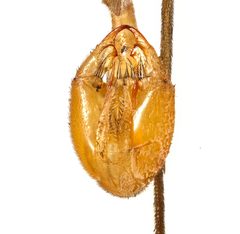
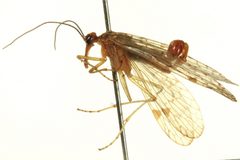
Panorpa acuta is a of in the Panorpidae, found in North America. It is one of the common scorpionflies in the region. The species exhibits the characteristic features of the Panorpa, including an elongated rostrum and, in males, enlarged genital claspers that resemble a 's stinger. Like other scorpionflies, it undergoes complete with larvae living in soil and leaf litter.
Pronunciation
How to pronounce Panorpa acuta: //pæˈnɔːrpə əˈkjuːtə//
These audio files are automatically generated. While they are not always 100% accurate, they are a good starting point.
Images
Habitat
Dense, moist woodlands and wet bottomland forests. Larvae inhabit soil and leaf litter on the forest floor.
Distribution
North America. Specific records include Vermont and other parts of the United States. The is considered common and widespread within its range.
Diet
have been observed scavenging on dead or dying soft-bodied insects, including prey stolen from spider webs. Larvae scavenge on dead or dying soft-bodied insects in soil and leaf litter.
Life Cycle
Complete . Larvae go through four instars before pupating in an earthen chamber in the soil.
Behavior
have been observed scavenging prey from spider webs, particularly those of sheetweb-weaving spiders ( Linyphiidae). When approached, they tend to flit nervously through dense foliage. Males use their enlarged claspers during mating.
Ecological Role
Scavenger in forest . Contributes to nutrient cycling through consumption of dead and dying insects. Potential minor role in natural pest control by scavenging in agricultural settings.
Human Relevance
Has been documented in contexts as an early visitor to carrion, though less studied than blow flies. May serve as an for moist woodland quality.
Similar Taxa
- Panorpa helenaSimilar size, wing pattern with three complete bands, and shared in moist woodlands. P. helena has been recorded with an anal horn on the sixth abdominal in males, which may help distinguish it.
- Other Panorpa speciesMany North American Panorpa require examination of male genitalia for definitive identification. Wing banding patterns and abdominal tergite features can provide preliminary separation.
More Details
Forensic significance
While scorpionflies in the Panorpidae have been documented as early visitors to human cadavers (specifically Panorpa nuptialis in published studies), the forensic relevance of P. acuta specifically has not been individually assessed. The family's tendency to feed on carrion fluids and scavenge makes them potentially useful for postmortem interval estimation in forensic investigations.
Taxonomic notes
The was described by Carpenter in 1931. Identification to species level within Panorpa often requires microscopic examination of male genitalia, particularly the claspers and associated structures.