
Dinokanaga andersoni
Archibald, 2005
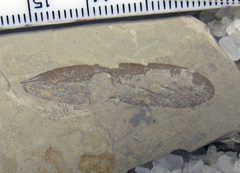
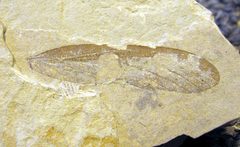
Dinokanaga andersoni is an extinct of (order Mecoptera) described from Eocene-aged deposits. It belongs to the Dinopanorpidae, a group of extinct mecopterans known from compression fossils. The species was established by Archibald in 2005 based on fossil material. As with other members of its family, it represents part of the diverse insect fauna that inhabited forests during the Eocene epoch.
Pronunciation
How to pronounce Dinokanaga andersoni: /ˌdaɪnoʊkəˈneɪɡə ænˈdɜːrsənaɪ/
These audio files are automatically generated. While they are not always 100% accurate, they are a good starting point.
Images
Distribution
Known from Eocene fossil deposits.
More Details
Taxonomic note
The Dinokanaga was established for extinct mecopterans in the Dinopanorpidae. This family is known only from the fossil record and is characterized by distinctive wing venation patterns. The specific epithet 'andersoni' honors a contributor to or the locality where specimens were discovered.
Fossil record
Dinopanorpidae fossils are primarily known from Eocene deposits in western North America, particularly from the Okanagan Highlands series of fossil localities in British Columbia, Canada and Washington State, USA. These deposits preserve lacustrine (lake) environments with exceptional insect preservation.