
Swammerdamia
Hübner, 1825
Species Guides
2- Swammerdamia caesiella(Birch Ermel)
- Swammerdamia pyrella(Little Ermel)
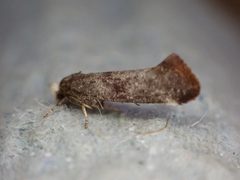
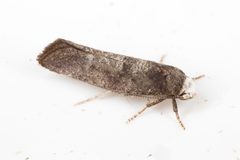
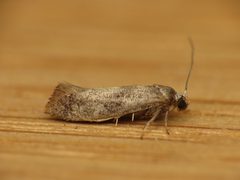
Swammerdamia is a of small in the Yponomeutidae, established by Hübner in 1825. The genus contains approximately 13 described distributed across the Palearctic, Afrotropical, and Nearctic regions. Species are associated with various plants, including Rosaceae. The genus is named in honor of the Dutch naturalist Jan Swammerdam.
Pronunciation
How to pronounce Swammerdamia: //swæm.ərˈdeɪ.mi.ə//
These audio files are automatically generated. While they are not always 100% accurate, they are a good starting point.
Identification
of Swammerdamia are small with wingspans generally under 15 mm. They can be distinguished from related in Yponomeutidae by genitalic characters and subtle wing pattern differences, including the arrangement of dark markings on the forewings. Specific identification to species level often requires examination of genitalia or .
Images
Habitat
occupy diverse including woodlands, hedgerows, orchards, and scrubland where plants occur. They are found in both natural and semi-anthropogenic environments.
Distribution
Palearctic region (Europe, Asia), Nearctic region (North America), Afrotropical region (Madagascar, South Africa). Specific distribution varies by .
Seasonality
periods vary by and latitude. In temperate regions, most species fly during spring and summer months, typically May through August.
Diet
Larvae feed on leaves of plants in Rosaceae, including Prunus, Crataegus, and Sorbus. Some have been recorded on Castanea.
Host Associations
- Prunus - larval foodplant
- Crataegus - larval foodplant
- Sorbus - larval foodplant
- Castanea - larval foodplantS. castaneae
Life Cycle
Larvae are leaf miners or feed externally on leaves, sometimes within slight webs. occurs in a cocoon on the ground or attached to plant material. are or . stage varies by , occurring as larva or pupa.
Behavior
are attracted to light. Larvae may produce silken webbing on plants.
Ecological Role
Larvae function as primary consumers, feeding on foliage of woody plants. They serve as prey for and other .
Human Relevance
Some are minor pests in orchards, particularly on stone fruits (Prunus). The has no significant economic impact.
Similar Taxa
- YponomeutaSimilar size and wing pattern, but Yponomeuta typically have more extensive white wings with bold black spotting and larvae produce extensive tent-like webbing on plants.
- ParapoynxFormerly confused in older literature; Parapoynx are generally associated with aquatic or semi-aquatic and have different wing venation.
More Details
Etymology
Named after Jan Swammerdam (1637–1680), Dutch biologist and microscopist known for his pioneering work in entomology and anatomy.
Taxonomic history
The has undergone revision, with some transferred to or from related genera based on genitalic and molecular studies. Swammerdamia tobii and S. villiersi are recently described species from Africa.