
Diploschizia lanista
Meyrick, 1918
sedge moth
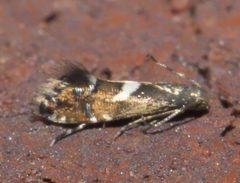
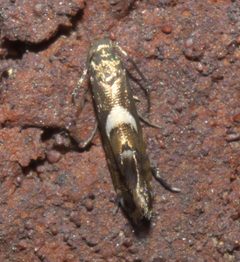
Diploschizia lanista is a of in the Glyphipterigidae. First described by Edward Meyrick in 1918, this small is known from the southeastern and south-central United States. are active during multiple periods throughout the year, with records spanning January through December in some regions. The species is characterized by its diminutive size and relatively narrow forewings.
Pronunciation
How to pronounce Diploschizia lanista: //ˌdɪploʊˈskɪziə ləˈnɪstə//
These audio files are automatically generated. While they are not always 100% accurate, they are a good starting point.
Identification
Diploschizia lanista can be distinguished from similar Glyphipterigidae by its specific geographic range in the southeastern United States and its documented forewing measurements of 2.7–4 mm. Precise identification to level typically requires examination of genitalia or reference to original species descriptions. The Diploschizia contains multiple similar species; D. impigritella (Yellow Nutsedge ) is a related species known from similar but differs in distribution and .
Images
Habitat
Associated with sedge , given and placement. Specific microhabitat requirements are not documented.
Distribution
Southeastern and south-central United States. Documented from Florida, Georgia, Oklahoma, South Carolina, North Carolina, Texas, and Louisiana.
Seasonality
have been recorded on wing in multiple periods. In North Carolina: April–May and July–September. In Louisiana: April. In Florida: January, May, July, September, November, and December. This extended flight period suggests either multiple per year or continuous adult in favorable climates.
Behavior
are attracted to light and have been documented at blacklight stations. Specific behavioral details beyond activity are not recorded.
Similar Taxa
- Diploschizia impigritellaRelated in same , known as Yellow Nutsedge ; similar size (~4 mm forewing length) and but differs in distribution and specific period
More Details
Taxonomic History
Described by Edward Meyrick in 1918, a prolific describer of microlepidoptera. The specific epithet 'lanista' refers to a trainer of gladiators in ancient Rome; the etymological significance for this is not documented.
Collection Records
Known from 12 iNaturalist observations as of source date, suggesting it is infrequently encountered or underreported relative to its actual abundance.