Platynota flavedana
Clemens, 1860
Black-shaded Platynota Moth
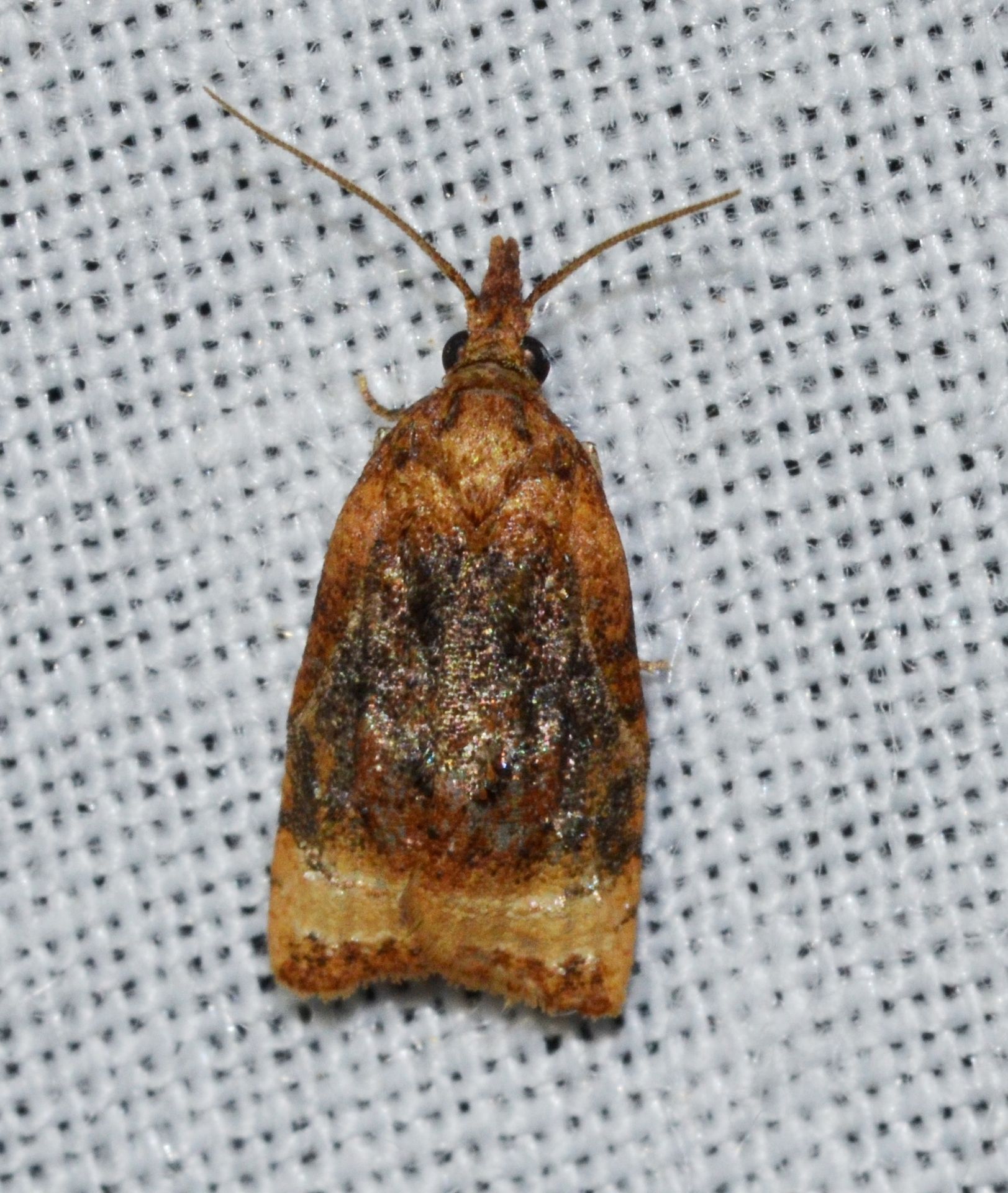
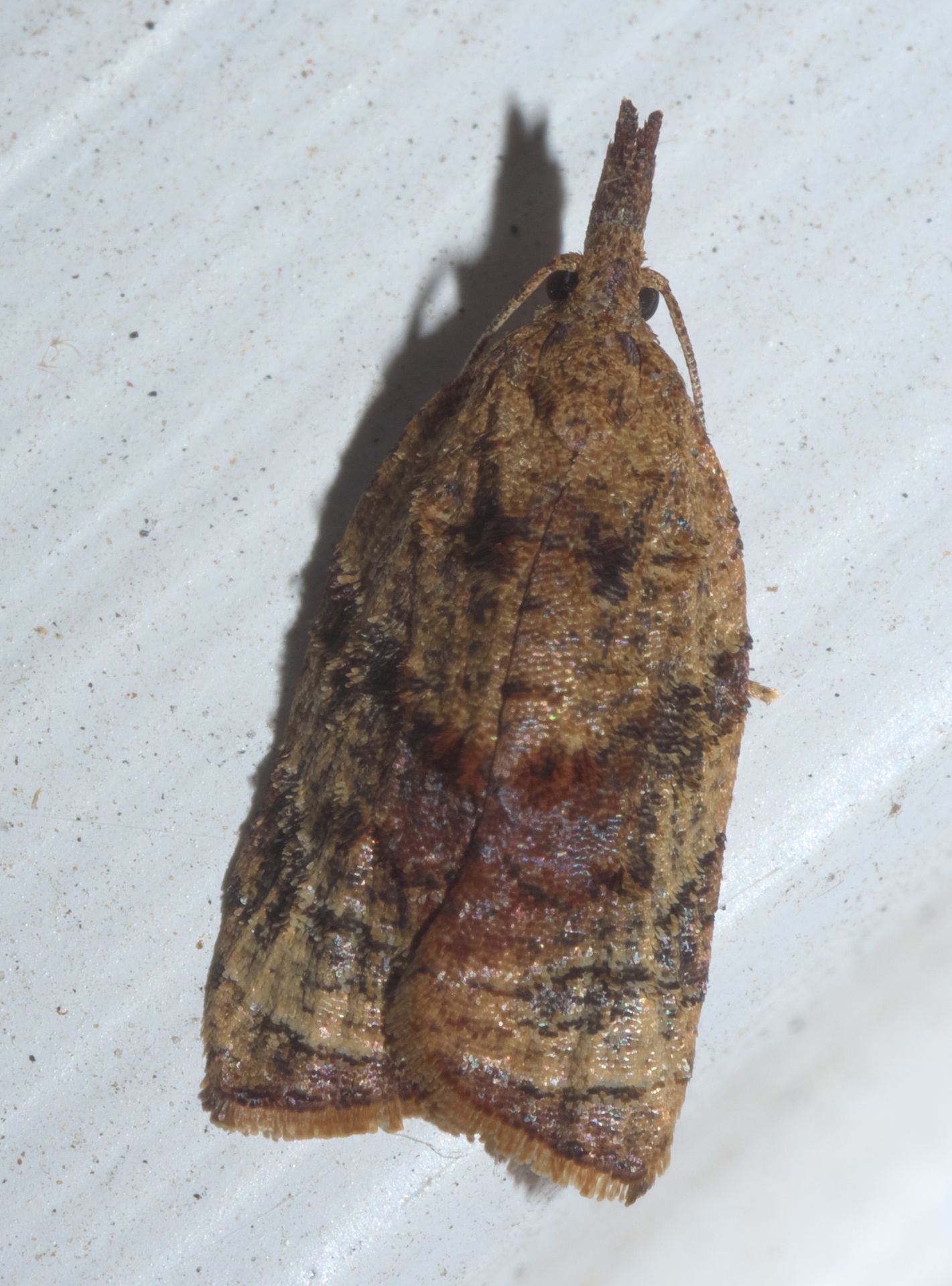
Platynota flavedana is a small tortricid found across much of the United States. have forewings 5–8.5 mm in length, with males smaller than females. The larvae are leafrollers that feed on a broad range of plants including strawberry, cotton, peach, rose, citrus, and many others, tying leaves together with silk to form shelters. The completes development from to adult in 30–35 days at 80°F, with multiple overlapping per year.

Pronunciation
How to pronounce Platynota flavedana: //ˌplætɪˈnoʊtə fləˈvɛdænə//
These audio files are automatically generated. While they are not always 100% accurate, they are a good starting point.
Identification
Forewings 5–6.5 mm in males, 6–8.5 mm in females. Distinguished from similar Platynota by wing pattern and genitalia; specific diagnostic characters require examination.
Images
Habitat
Agricultural fields, orchards, gardens, and natural areas where plants occur. Larvae specifically associated with strawberry in documented studies.
Distribution
United States from Minnesota to Maine, south to North Carolina, and west to Arizona.
Diet
Larvae feed on leaves, fruits, and stems of diverse plants. Documented hosts include strawberry (Fragaria), cotton (Gossypium), peach (Prunus persica), rose (Rosa), citrus, maple (Acer), sunflower (Helianthus), carnation (Dianthus caryophyllus), St. John's wort (Hypericum perforatum), rhododendron, clover (Trifolium), sassafras, and others.
Host Associations
- Fragaria - larval strawberry
- Gossypium hirsutum - larval upland cotton
- Gossypium thurberi - larval wild cotton
- Prunus persica - larval peach
- Rosa - larval rose
- Citrus - larval citrus
- Acer - larval maple
- Helianthus - larval sunflower
- Dianthus caryophyllus - larval carnation
- Hypericum perforatum - larval St. John's wort
- Rhododendron - larval
- Trifolium - larval clover
- Sassafras - larval
- Helianthemum - larval
- Eupatorium - larval
Life Cycle
Complete . laid singly or in small masses on leaves. Five larval instars; larvae roll and tie leaves with silk to form shelters. occurs within the leaf roll. Development from egg to takes 30–35 days at 80°F. Multiple overlapping per year with continuous breeding pattern.
Behavior
Larvae are leafrollers that construct shelters by rolling and tying leaves together with silk. are and short-lived.
Ecological Role
Herbivore; agricultural pest on multiple crops. Prey for including Monobia quadridens, which provisions nests with Platynota caterpillars.
Human Relevance
Economic pest of strawberry, cotton, peach, rose, citrus, and other cultivated plants. Subject to and control programs.
Sources and further reading
- BugGuide
- Wikipedia
- GBIF taxonomy match
- iNaturalist taxon
- NCBI Taxonomy
- Catalogue of Life
- What Will You See at Bohart Museum Open House | Bug Squad
- Oh, What a (Moth) Night! | Bug Squad
- Like a Moth to a Flame... | Bug Squad
- Bug Eric: Wasp Wednesday: Four-toothed Mason Wasp
- The Life History of Platynota flavedana, A Leaf Roller of Strawberry12
- Observations on the Biology and Control of Platynota flavedana1