Lorita scarificata
(Meyrick, 1917)
chrysanthemum flower borer
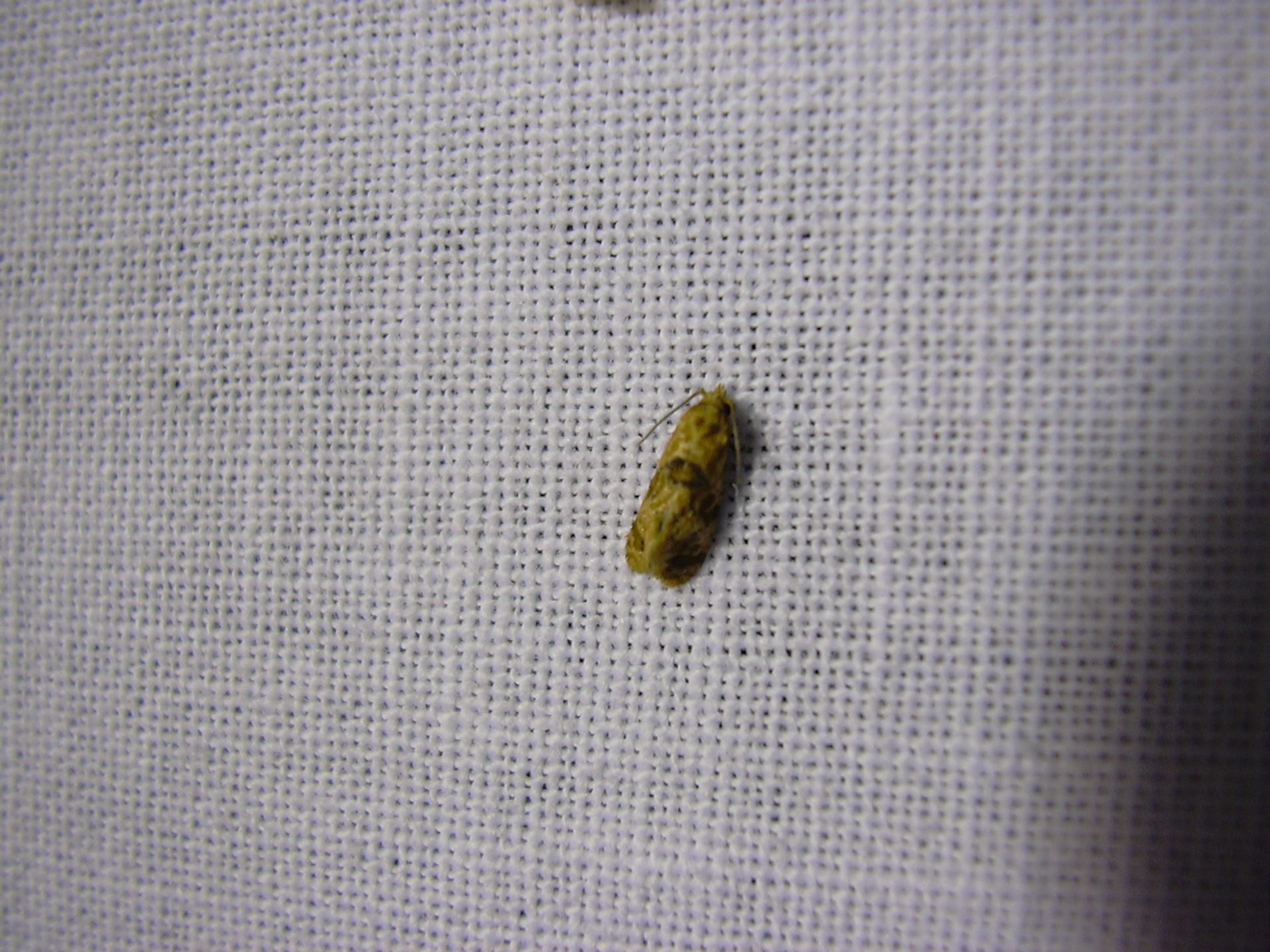
Lorita scarificata, commonly known as the chrysanthemum flower borer, is a small tortricid native to North America and introduced to Hawaii. The was described by Meyrick in 1917 and is notable for its association with cultivated and wild flowering plants. are diminutive with a wingspan of only 10–12 mm. The species has gained minor notoriety as a pest of ornamental chrysanthemums and agricultural crops.
Pronunciation
How to pronounce Lorita scarificata: /lɔˈriːta skaɾɪfɪˈkaːta/
These audio files are automatically generated. While they are not always 100% accurate, they are a good starting point.
Identification
Identified by extremely small size (10–12 mm wingspan) within Tortricidae. Distinguished from other small tortricids by confirmed association with Chrysanthemum blossoms and geographic distribution including both Florida, California, and Hawaii. Genitalia examination may be required for definitive identification from congeneric .
Images
Habitat
Associated with flowering plants in cultivated and presumably wild settings. Larval is within blossoms of plants. Specific native habitat preferences in North America are not documented.
Distribution
Native to North America, recorded from Florida and California. Introduced and established in Hawaii. GBIF distribution records confirm presence in Hawaii and the United States.
Diet
Larvae feed on Chrysanthemum blossoms, Cuscuta californica (dodder), and green bell pepper. feeding habits are not documented.
Host Associations
- Chrysanthemum - larval food plantblossoms specifically targeted
- Cuscuta californica - larval food plantparasitic vine, native
- Capsicum annuum - larval food plantgreen bell pepper, agricultural
Life Cycle
Complete typical of Lepidoptera. Larval stage occurs within blossoms of plants. Specific details on , pupal, and longevity are not documented.
Behavior
Larval involves feeding within flower blossoms, causing damage to reproductive structures. activity presumed typical of tortricid moths.
Ecological Role
As a blossom feeder, larvae may function as minor disruptors or seed in native . Agricultural pest role in chrysanthemum and pepper .
Human Relevance
Minor agricultural and ornamental pest. Recorded damaging chrysanthemum blossoms and green bell pepper crops. Synonym Lorita abornana named for composer and pianist Lora Aborn, representing an unusual case of entomological honoring a performing artist.
Similar Taxa
- Other Tortricidae in Cochylini tribeSimilar small size and general ; requires genitalia dissection or plant association for separation
- Other Lorita speciesCongeneric may overlap in distribution; definitive identification requires examination
More Details
Etymological note
The synonym Lorita abornana was named specifically for Lora Aborn (1907–2005), an American composer, performer, and pianist. This represents a rare instance of an insect epithet honoring a musician rather than a traditional scientist or collector.
Taxonomic history
Originally described as Phalonia scarificata by Edward Meyrick in 1917, later transferred to Lorita. The synonym Lorita abornana was established by Obraztsov in 1952.