
Eugnosta erigeronana
(Riley, 1881)
fleabane cochylid moth
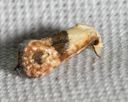
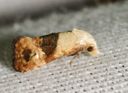
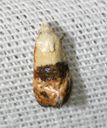
Eugnosta erigeronana, commonly known as the fleabane cochylid , is a small tortricid moth with a wingspan of 11–13 mm. It occurs across the southeastern and central United States. The has an extended period from February through October. Its larvae develop within galls induced by cecidomyiid flies on Erigeron species.
Pronunciation
How to pronounce Eugnosta erigeronana: /juːˈɡnɒstə ˌɛrɪdʒəˈroʊnænə/
These audio files are automatically generated. While they are not always 100% accurate, they are a good starting point.
Identification
Distinguished from related Eugnosta by association with Erigeron plants and cecidomyiid fly galls. Small size (11–13 mm wingspan) and geographic range in the southeastern United States may aid identification. Specific diagnostic morphological features are not documented in available sources.
Images
Appearance
Small with wingspan of 11–13 mm. Detailed morphological description beyond size is not available in source material.
Habitat
Associated with supporting Erigeron , which serve as plants. Specific habitat requirements beyond host presence are not documented.
Distribution
Southeastern and central United States: Texas and Oklahoma east to Florida, north to North Carolina, and west to Illinois.
Seasonality
active from February to October, indicating a prolonged or multivoltine period.
Host Associations
- Erigeron species - larval plantlarvae develop within cecidomyiid fly galls on these plants
Behavior
Larvae inhabit galls induced by cecidomyiid flies ( Cecidomyiidae) on Erigeron , suggesting a commensal or relationship with the gall-forming flies.
Ecological Role
Larval stage functions as an or commensal within cecidomyiid fly galls on Erigeron, potentially affecting gall dynamics or serving as prey for .
Human Relevance
No documented economic or agricultural significance. Scientific interest primarily concerns its specialized ecological relationship with gall-forming insects.
Similar Taxa
- Other Eugnosta speciesSimilar size and ; distinguished by plant specificity and geographic range
More Details
Taxonomic history
Originally described as Conchylis erigeronana by Riley in 1881, later transferred to Eugnosta.