Hedya salicella
(Linnaeus, 1758)
White-backed Marble
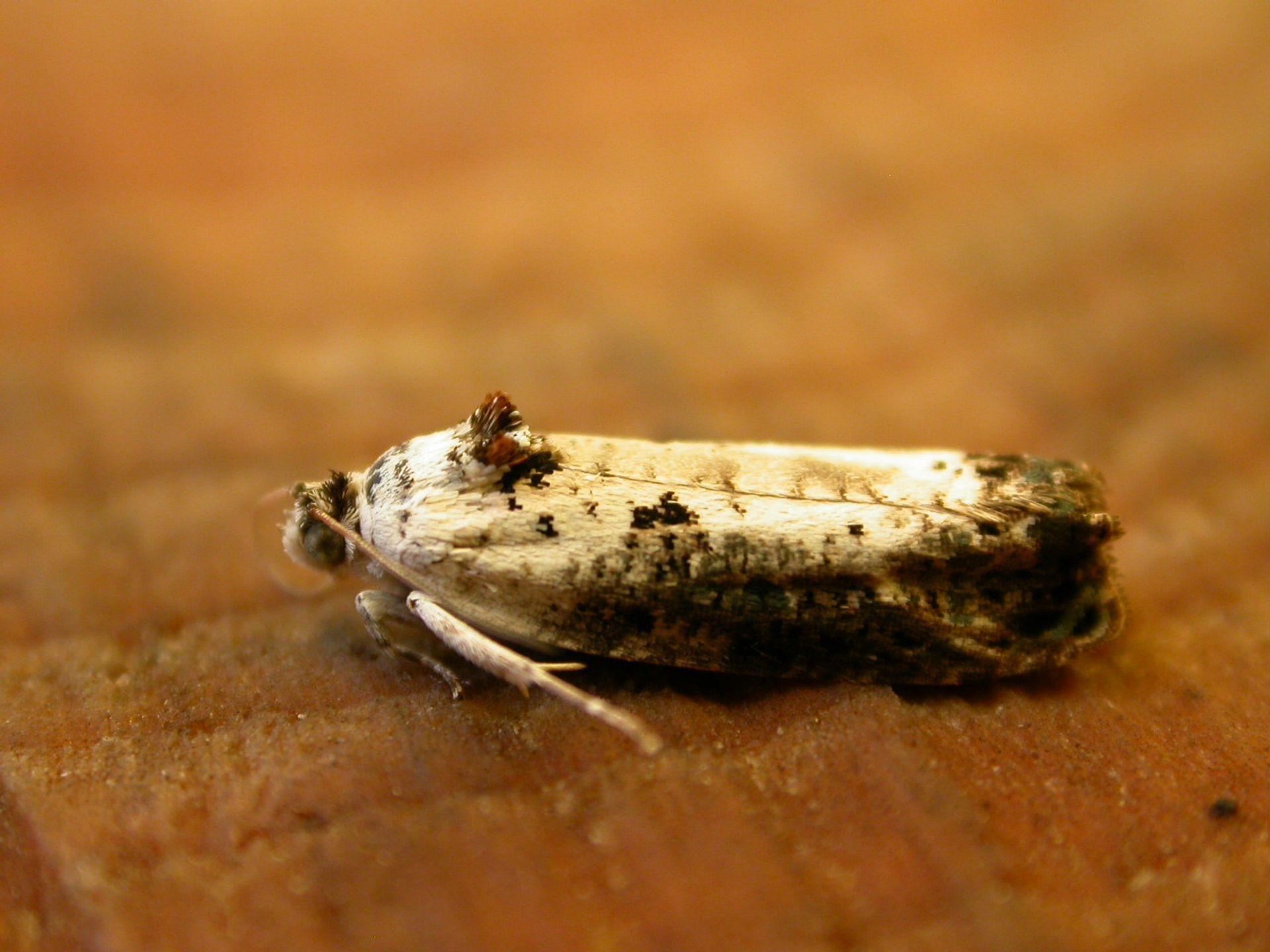
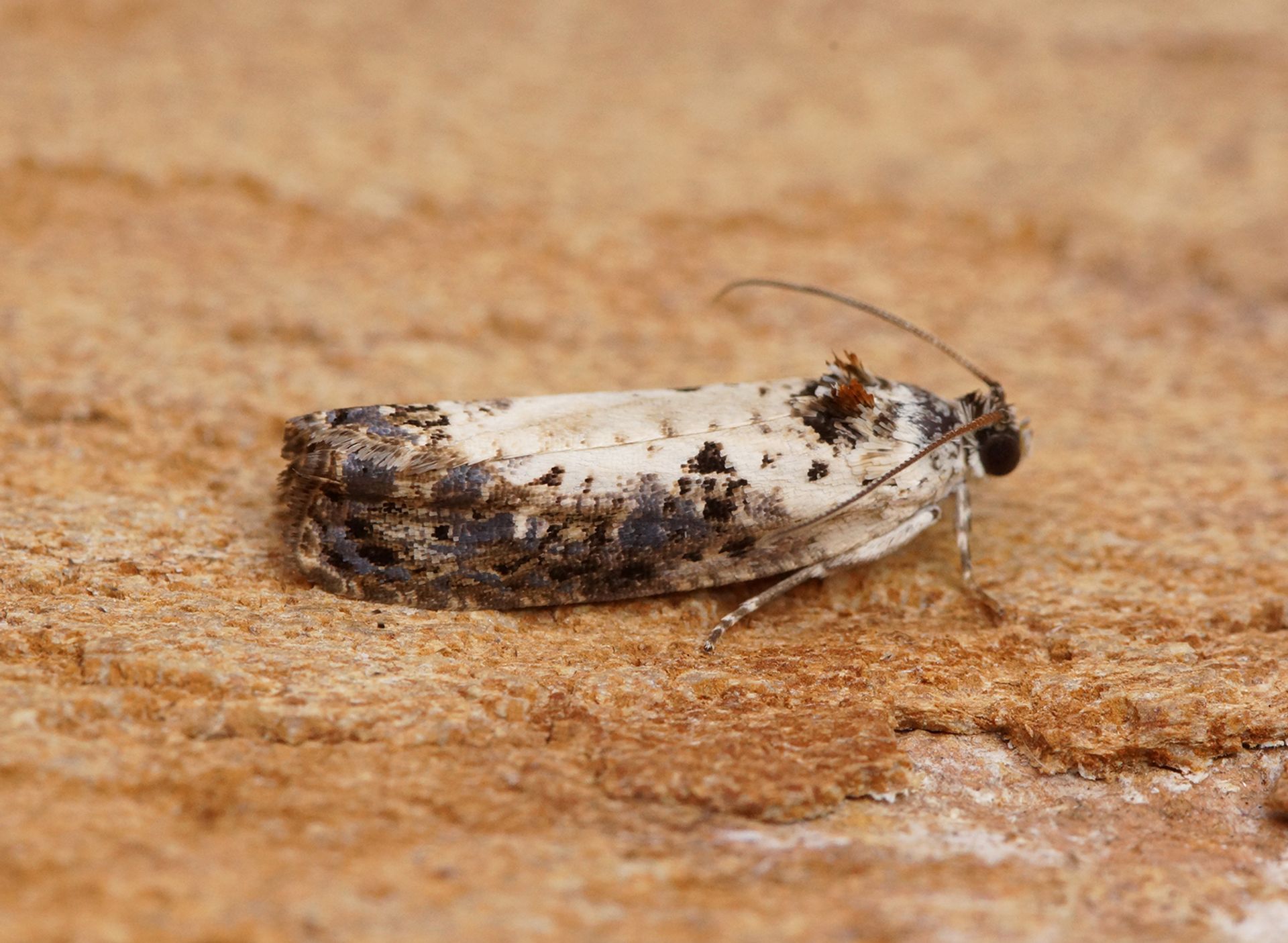
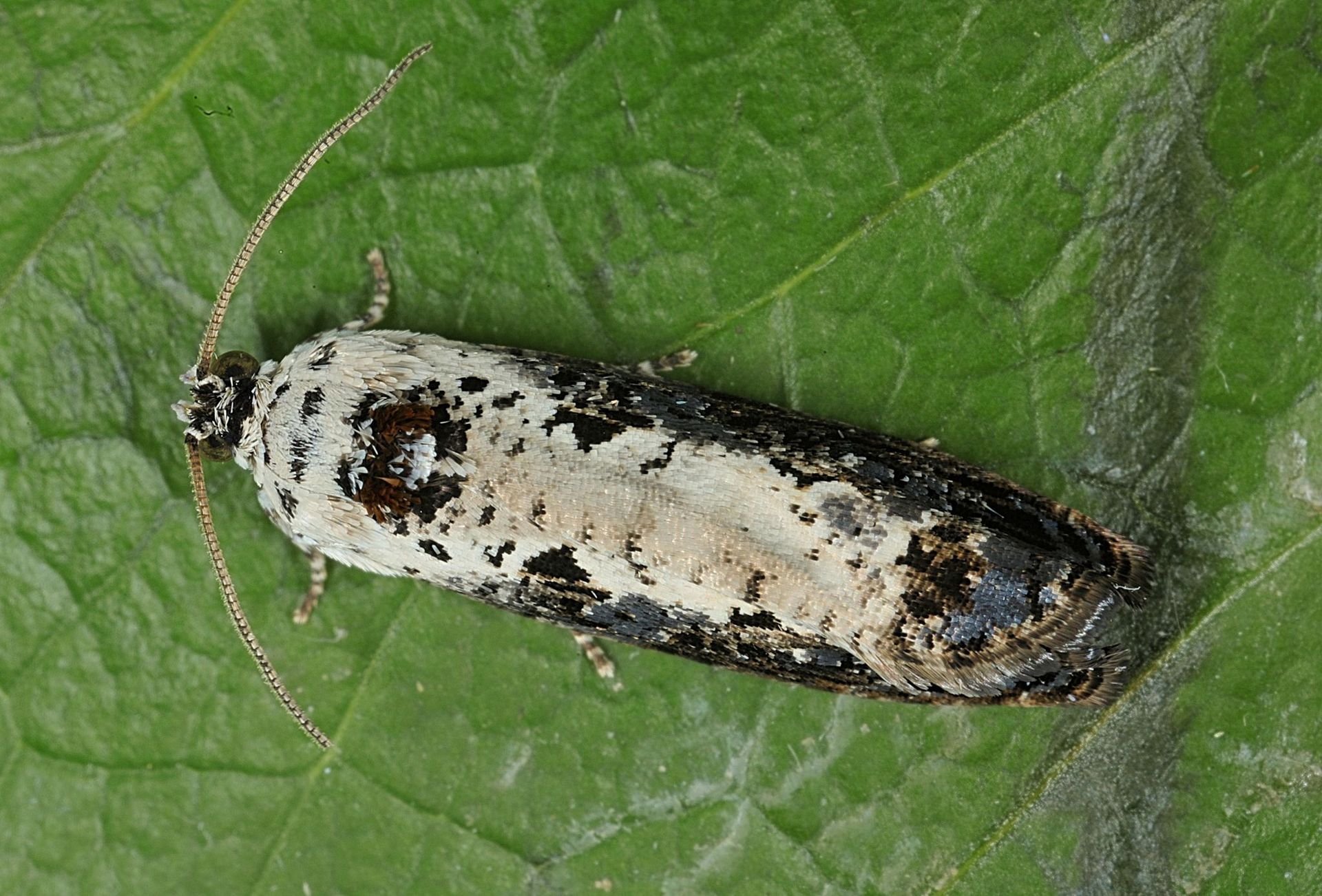
Hedya salicella is a small tortricid commonly known as the White-backed Marble. It is a single-brooded with active from June through September. The species is widely distributed across Europe and has been introduced to North America. Its larvae are specialized feeders on willow and poplar species.
Pronunciation
How to pronounce Hedya salicella: /ˈhɛd.jə ˌsæl.ɪˈsɛl.ə/
These audio files are automatically generated. While they are not always 100% accurate, they are a good starting point.
Identification
The combination of white forewings with dark markings and mottled chestnut-grey distinguishes this from other Hedya. The wingspan of 19–24 mm and association with willow or poplar provide additional clues. Similar Hedya species may differ in thorax coloration and forewing pattern intensity.
Images
Habitat
Marshy areas among willows, stream banks, open woodland, and occasionally parks and gardens. Occurs wherever Salix and Populus plants are abundant.
Distribution
Widely distributed across Europe; introduced in North America.
Seasonality
fly from June through September. period may vary regionally; in Belgium and the Netherlands recorded from June to October.
Diet
Larvae feed on spun shoots and folded leaves of Salix (willow, sallow) and Populus (poplar, aspen) .
Host Associations
- Salix - larval food plantwillow, sallow
- Populus - larval food plantpoplar, aspen
Life Cycle
Single-brooded () . Larval stage feeds within spun shoots and folded leaves of plants. emerge in summer and are recorded in from June through September.
Similar Taxa
- Other Hedya speciesSimilar size and general tortricid ; distinguished by coloration and forewing pattern details
More Details
Genome
A high-quality -level assembly has been generated (742.3 Mb, 25 chromosomal pseudomolecules including Z , 11,961 protein-coding genes) from a male specimen collected in Wytham Woods, Oxfordshire, UK as part of the Darwin Tree of Life Project.