Pseudexentera costomaculana
(Clemens, 1860)
Pseudexentera costomaculana is a small tortricid with a wingspan of approximately 14 mm. It is found across eastern North America, from Nova Scotia south to Mississippi. The larvae are known to feed on witch-hazel (Hamamelis virginiana). The was first described by James Brackenridge Clemens in 1860.
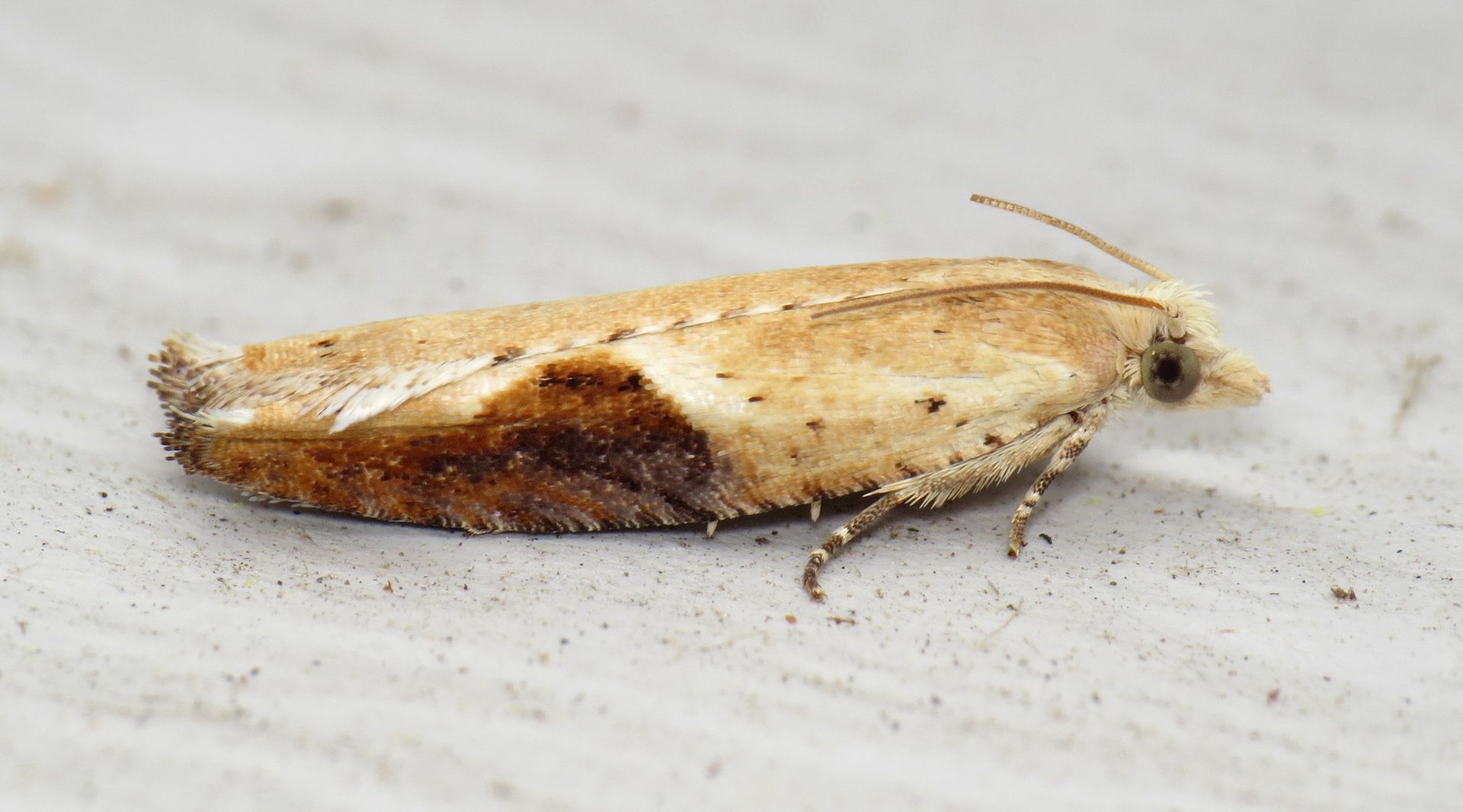
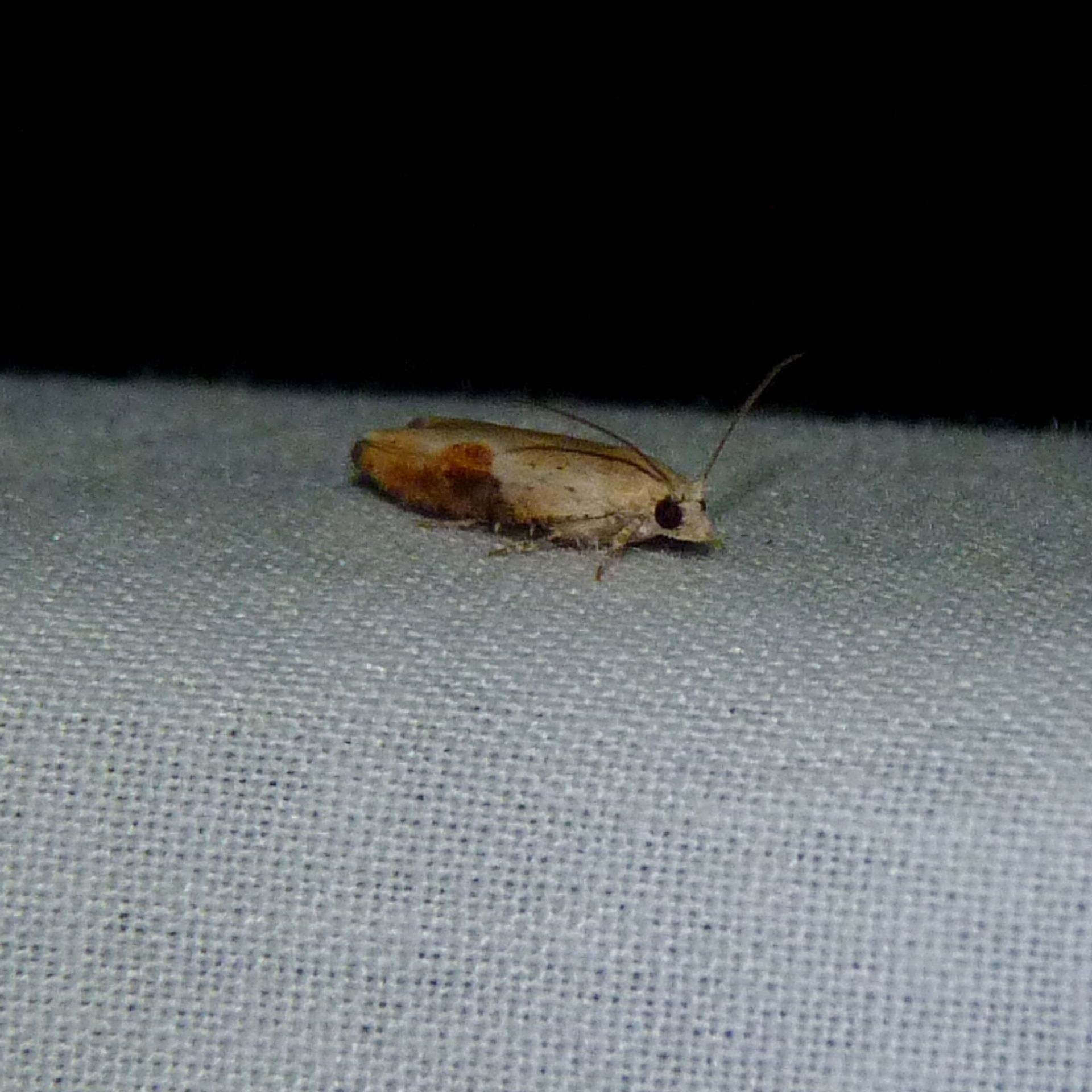
Pronunciation
How to pronounce Pseudexentera costomaculana: //ˌsjuːdɛksɛnˈtɛrə ˌkɒstəʊˌməˈkjuːlænə//
These audio files are automatically generated. While they are not always 100% accurate, they are a good starting point.
Identification
Small size (~14 mm wingspan) distinguishes it from larger tortricid . Specific diagnostic features for separating it from are not documented in available sources.
Images
Habitat
Associated with supporting its larval plant, witch-hazel (Hamamelis virginiana). Witch-hazel typically occurs in moist woodlands, forest edges, and stream banks in eastern North America.
Distribution
Eastern North America: Massachusetts, New York, North Carolina, South Carolina, West Virginia, Virginia, Connecticut, Maryland, Michigan, Mississippi, New Hampshire, Nova Scotia, Pennsylvania, and Vermont.
Diet
Larvae feed on Hamamelis virginiana (witch-hazel). feeding habits are not documented.
Host Associations
- Hamamelis virginiana - larval Only documented plant.
Life Cycle
Complete (, larva, pupa, ). Specific timing of life stages is not documented.
Ecological Role
Larval herbivore on witch-hazel. Specific role in dynamics is not documented.
Human Relevance
No documented economic or medical significance. Not considered a pest .
Similar Taxa
- Other Pseudexentera species share similar size range and general ; specific distinguishing features for P. costomaculana are not documented in available sources.
More Details
Taxonomic history
Described by James Brackenridge Clemens in 1860.