Gypsonoma salicicolana
(Clemens, 1864)
Small Gypsonoma Moth
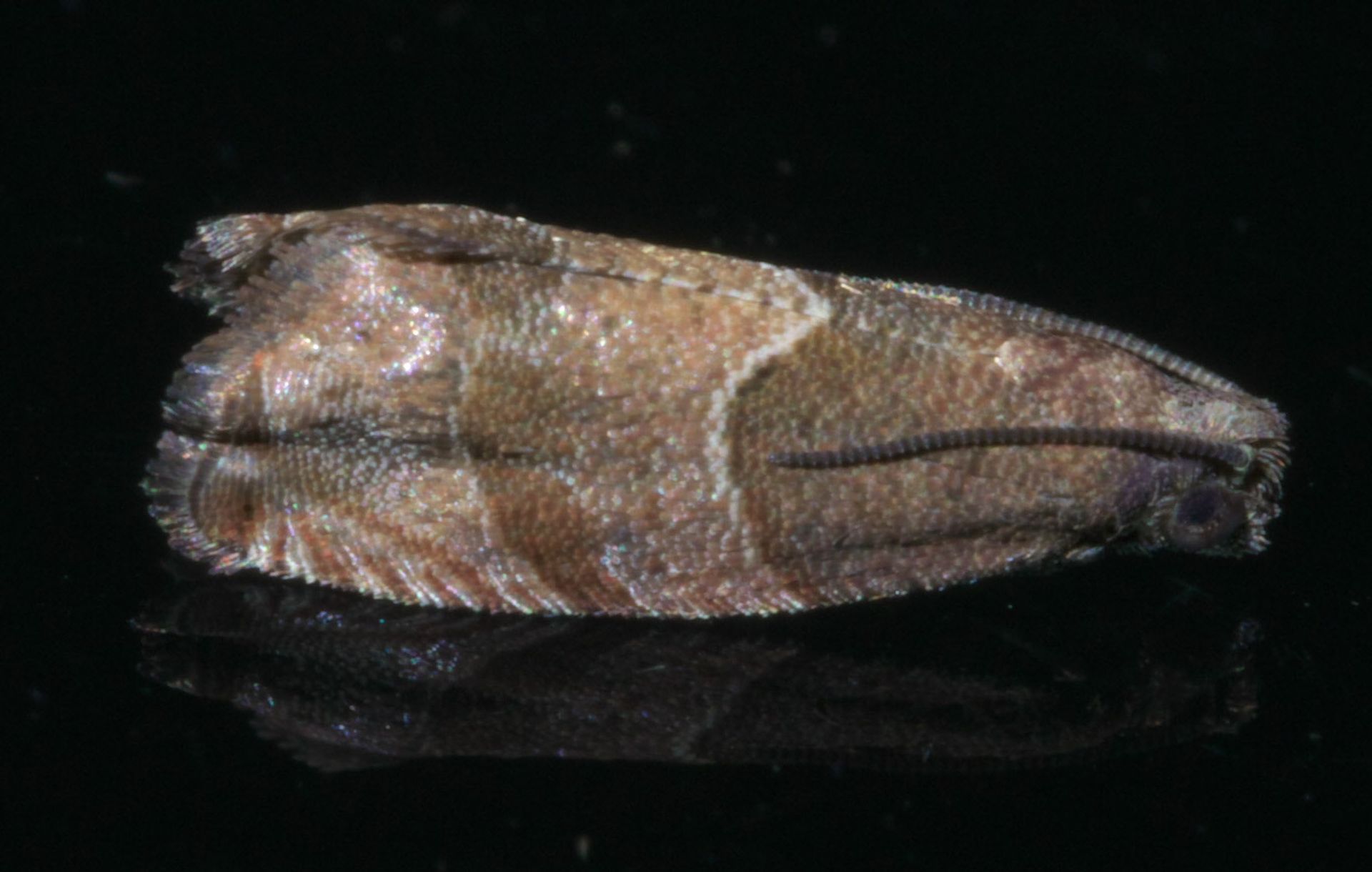
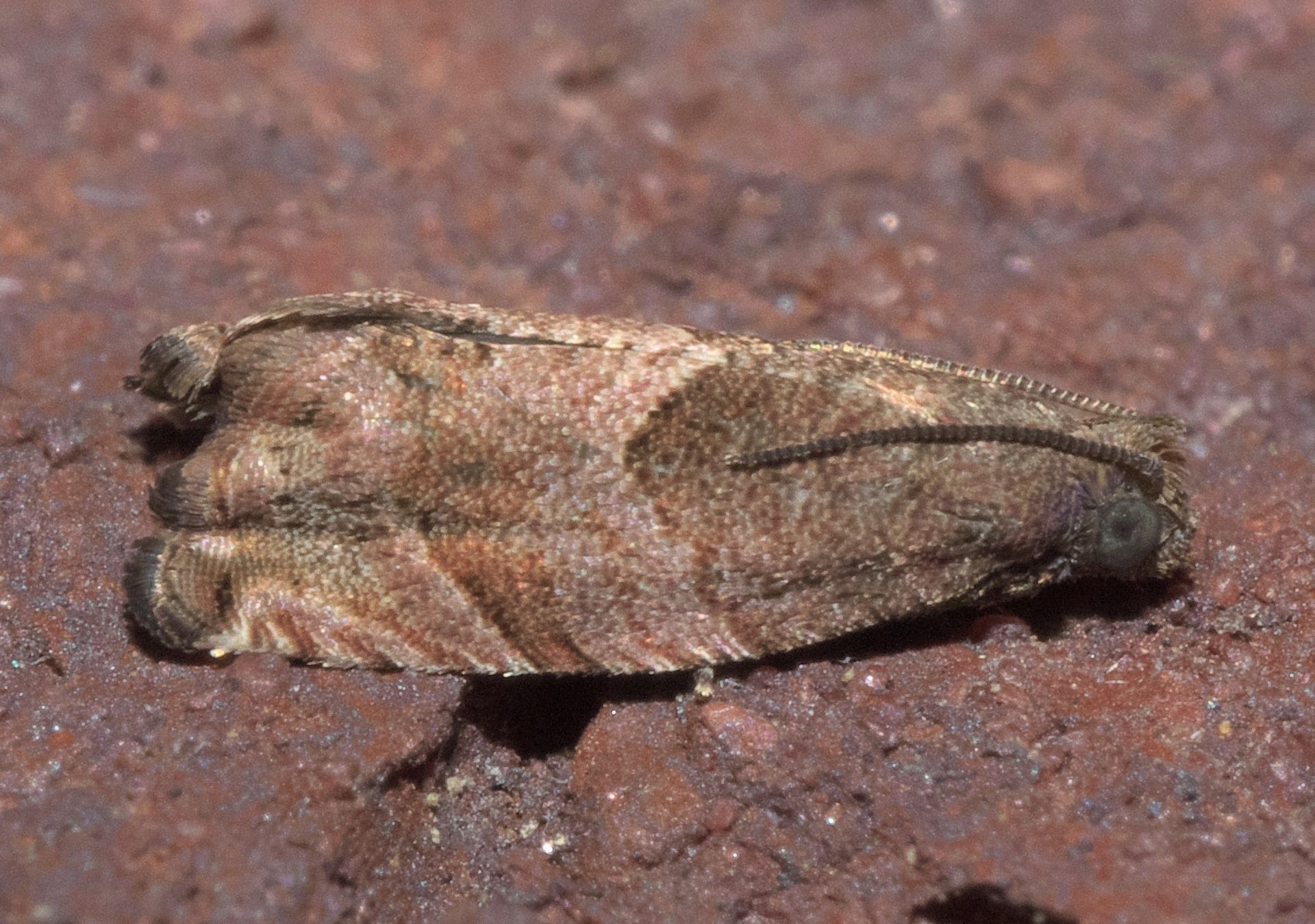
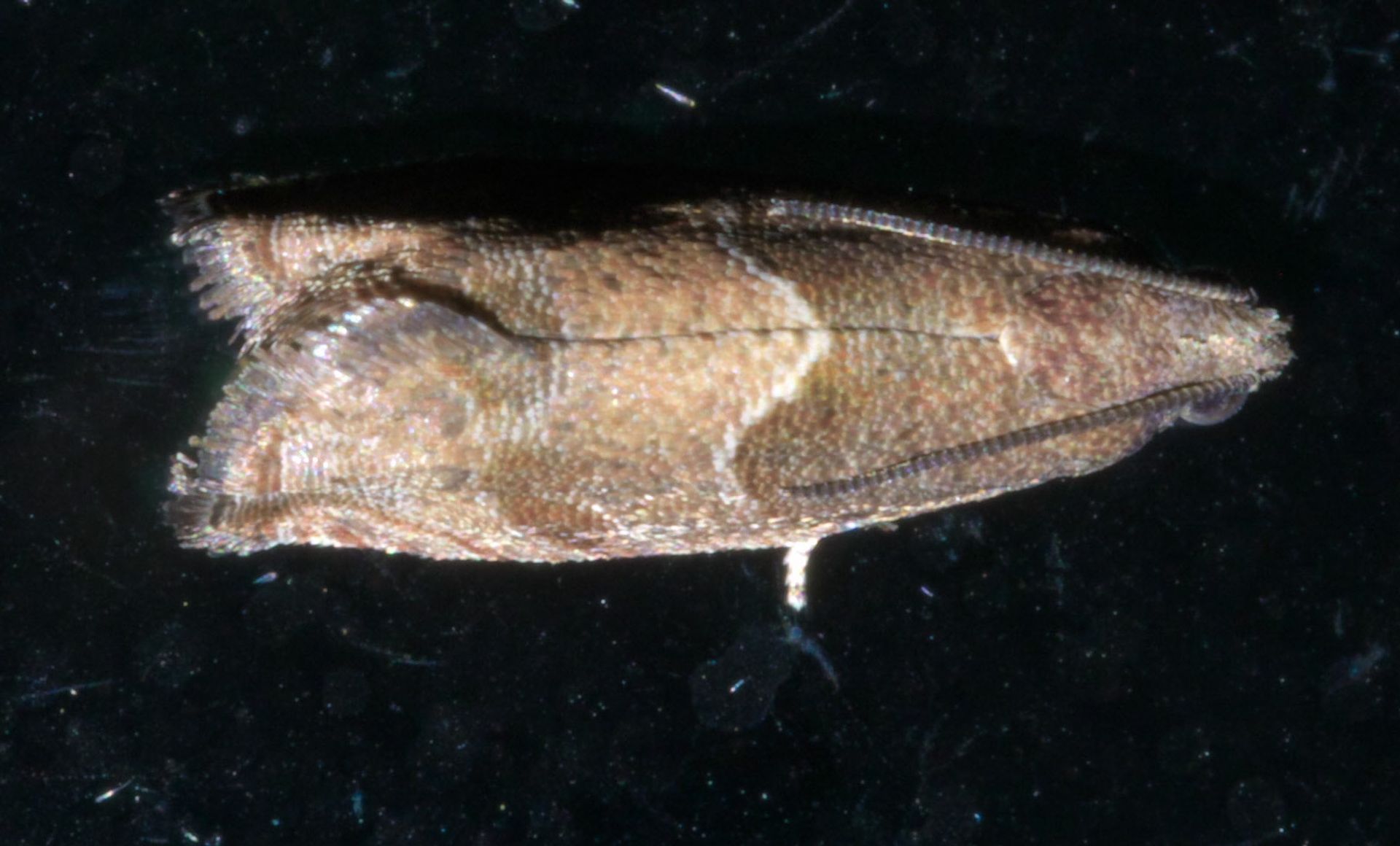
Gypsonoma salicicolana is a small tortricid occurring across much of North America. The is a on willows (Salix), with larvae feeding on leaves of several documented species. are active primarily in late spring and early summer. The specific epithet 'salicicolana' reflects this association with Salix.
Pronunciation
How to pronounce Gypsonoma salicicolana: //dʒɪpˈsɒnəmə ˌsælɪsɪkəˈleɪnə//
These audio files are automatically generated. While they are not always 100% accurate, they are a good starting point.
Identification
Small size (forewings 4.3–6.2 mm) distinguishes it from larger tortricids. May be separated from congeneric by genitalia examination; external features require knowledge. Association with Salix and geographic range may aid identification in context.
Images
Habitat
supporting willow , including riparian zones, wetlands, and open areas with Salix. Specific microhabitat preferences not documented.
Distribution
North America: Quebec to Florida, west through Texas to California, north to Alberta. Additional records from Manitoba and Saskatchewan.
Seasonality
Main period May to July. Larval stage timing not specified in sources.
Diet
Larvae feed on leaves of Salix . Documented : Salix cordata, Salix humilis, Salix interior. feeding habits unknown.
Host Associations
- Salix cordata - larval food plant
- Salix humilis - larval food plant
- Salix interior - larval food plant
Life Cycle
Complete (, larva, pupa, ). Larval stage leaf-feeding on Salix. site and stage not documented.
Ecological Role
Herbivore: larval leaf-feeding on willows. Potential prey for and ; specific relationships not documented.
Human Relevance
No documented economic or medical significance. Occasionally encountered in general surveys and biodiversity assessments.
Similar Taxa
- Gypsonoma speciesCongeneric require genitalia examination for reliable separation; external similar.
- Other small OlethreutinaeSimilar size and general appearance; identification to requires knowledge of tortricid .