Epinotia lindana
(Fernald, 1892)
Diamondback Epinotia Moth
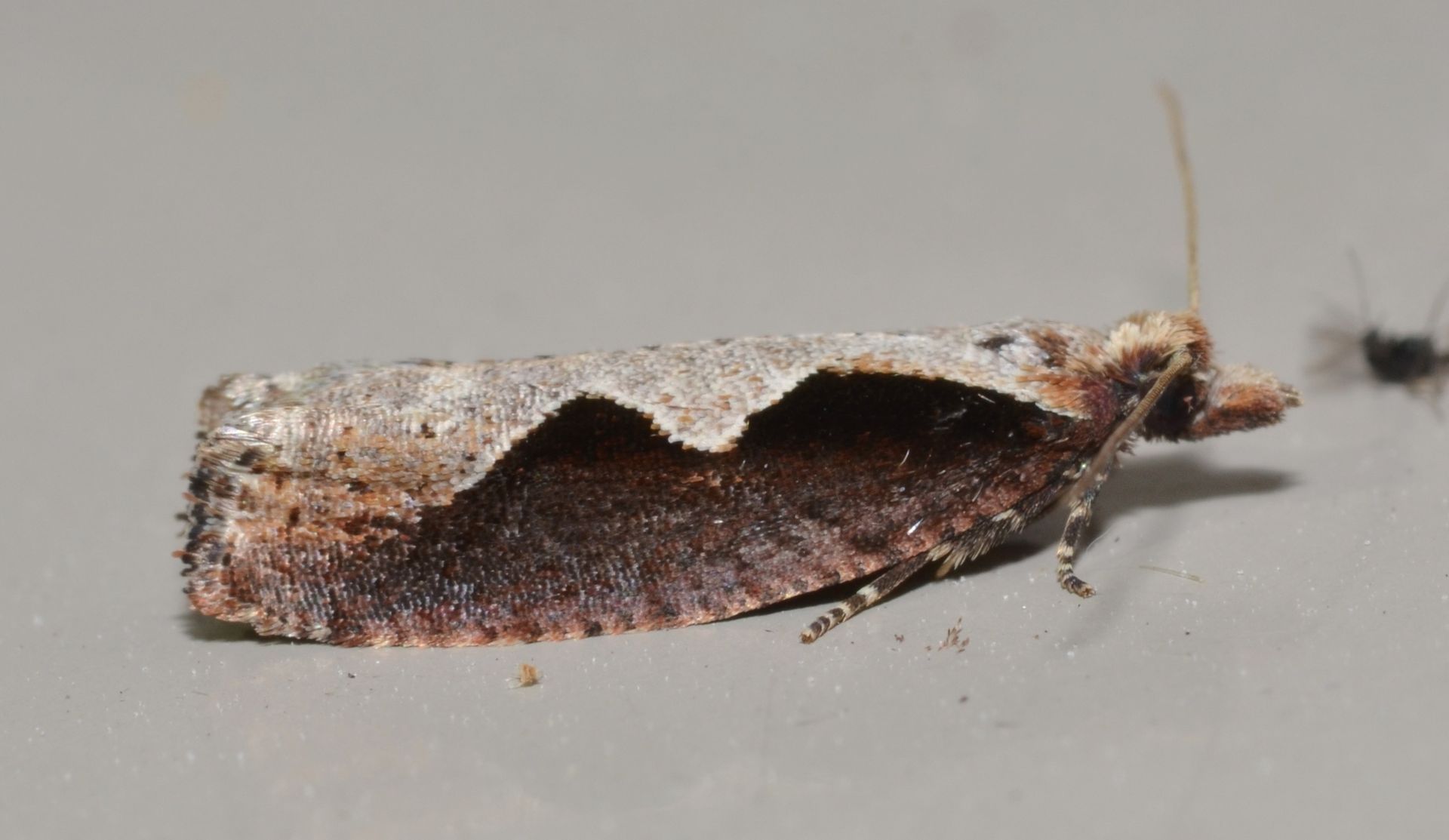
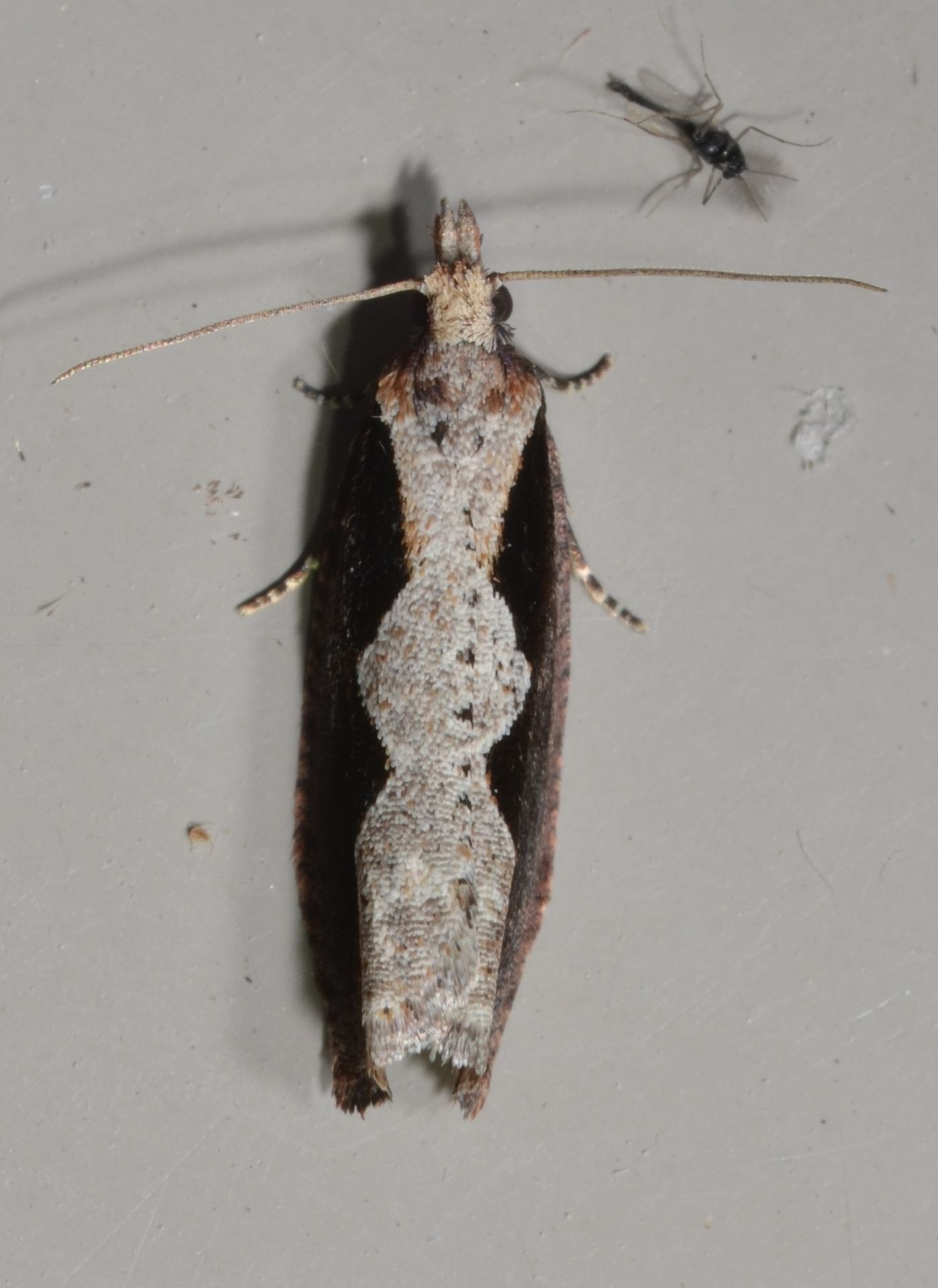
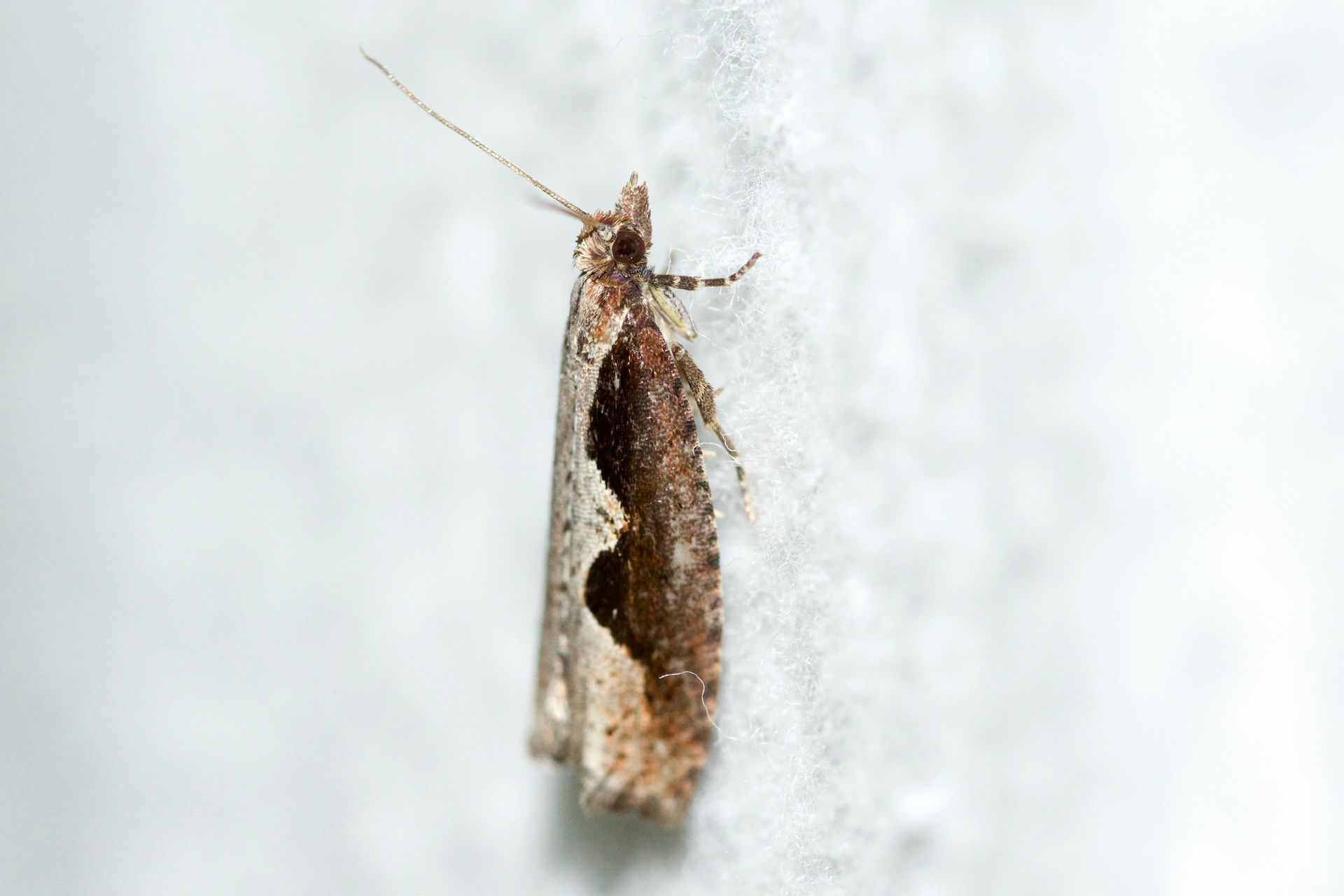
A small tortricid with a wingspan of approximately 17 mm. The occurs across northern and eastern North America, with larvae feeding on Cornus (dogwood) species. are active during the warmer months. The refers to the distinctive wing pattern.
Pronunciation
How to pronounce Epinotia lindana: /ˌɛpɪˈnoʊʃə lɪnˈdænə/
These audio files are automatically generated. While they are not always 100% accurate, they are a good starting point.
Identification
Distinguished from similar Epinotia by the angular, diamond-shaped forewing pattern. Small size (17 mm wingspan) and association with Cornus plants may aid identification. Specific diagnostic features separating it from require examination of genitalia or detailed wing pattern analysis not available in general sources.
Images
Habitat
Associated with supporting Cornus (dogwood) , including forests, woodlands, and shrubby areas. Specific microhabitat preferences for not documented.
Distribution
North America: recorded from British Columbia, Alberta, Saskatchewan, Manitoba, Ontario, Quebec, Vermont, Pennsylvania, North Carolina, and Washington. Distribution corresponds to the range of Cornus .
Seasonality
activity period not precisely documented; likely active during warmer months when plants are available. Larval feeding occurs during growing season.
Diet
Larvae feed on Cornus (dogwoods). feeding habits not documented.
Host Associations
- Cornus - larval food plant-level association; specific Cornus not distinguished in available sources.
Ecological Role
Herbivore as larva, consuming dogwood foliage. Specific ecological impacts or interactions not documented.
Human Relevance
No documented economic importance. Occasionally encountered by naturalists and enthusiasts. Not considered a significant pest of ornamental or native dogwoods.
Similar Taxa
- Other Epinotia speciesSimilar size, wing shape, and general pattern; distinguished by specific forewing markings and associations.
- Other Olethreutinae tortricidsShared characteristics; require examination of wing pattern details and genitalia for definitive separation.
More Details
Nomenclatural History
Originally described as Steganopteryx lindana by Fernald in 1892, later transferred to Epinotia.
Research Context
has been referenced in agricultural research regarding lepidopteran susceptibility to Bacillus thuringiensis toxins, though not a primary target pest.