
Hyaloscotes
Butler, 1881
Species Guides
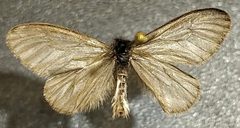
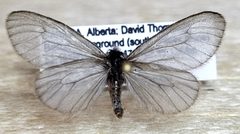
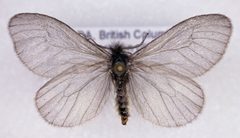
4Hyaloscotes is a of bagworm moths in the Psychidae, described by Butler in 1881. As members of the Oiketicinae, these are characterized by the construction of portable larval cases from silk and environmental materials. The genus is poorly documented in scientific literature, with limited -level descriptions and biological data available. Observations on iNaturalist suggest ongoing but infrequent documentation of these insects.
Pronunciation
How to pronounce Hyaloscotes: /həˌæl.əˈskoʊtis/
These audio files are automatically generated. While they are not always 100% accurate, they are a good starting point.
Identification
Distinguished from other Psychidae by case structure and genitalia ; precise identification requires examination. Separated from Thyridopteryx and other Oiketicinae by subtle morphological characters in male genitalia and case construction patterns.
Images
Habitat
Associated with woody vegetation; larvae feed on living plant material while inhabiting their portable cases. Specific plant associations are poorly documented.
Distribution
Native range includes regions where documented occur; precise geographic limits undefined due to taxonomic uncertainty and limited survey effort. Records exist from parts of Asia based on .
Life Cycle
Complete with , larva, pupa, and stages. Larval stage is prolonged, with individuals carrying their constructed cases throughout development. occurs within the case.
Behavior
Larvae are case-bearers, transporting their silk-and-debris shelters while feeding. This provides protection from and desiccation. males are active fliers; females are sedentary and may remain within or near their larval cases.
Ecological Role
Larvae function as herbivores on living plant tissue; their contribution to nutrient cycling and is unquantified. Cases may provide microhabitat for other small after abandonment.
Human Relevance
No documented economic importance; occasional minor damage to ornamental plants possible but not recorded. Of interest to lepidopterists studying Psychidae .
Similar Taxa
- ThyridopteryxBoth in Oiketicinae with wingless females and case-bearing larvae; distinguished by case and male genitalia structure.
- OiketicusShares and general ; separation requires detailed morphological comparison of characters.
More Details
Taxonomic Uncertainty
The contains few described with limited subsequent revision; boundaries with related genera remain unclear. Butler's original description (1881) established the genus, but modern phylogenetic placement within Oiketicinae requires further study.
Documentation Status
Only 32 iNaturalist observations suggest this is rarely encountered or underreported, possibly due to cryptic larval habits and inconspicuous females.