
Hyaloscotes fragmentella
(Edwards, 1877)
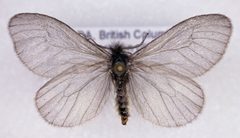
Hyaloscotes fragmentella is a of bagworm moth in the Psychidae, first described by Edwards in 1877. As a member of the Oiketicinae, it belongs to a group known for constructing portable larval cases from silk and environmental materials. The Hyaloscotes is small and poorly documented, with limited biological information available for most species.
Pronunciation
How to pronounce Hyaloscotes fragmentella: /ˌhaɪəloʊˈskoʊtiːz ˌfræɡmənˈtɛlə/
These audio files are automatically generated. While they are not always 100% accurate, they are a good starting point.
Identification
Larvae construct cases characteristic of Psychidae, incorporating plant fragments and other materials bound with silk. males, if winged, would have reduced mouthparts and relatively simple compared to other . Specific diagnostic features distinguishing H. fragmentella from are not documented in available sources.
Images
Distribution
Documented from Australia based on original description and taxonomic records. Specific locality data beyond this are not established in accessible sources.
Life Cycle
Complete with larval case-bearing stage typical of Psychidae. Females are likely and , remaining within their cases throughout life, as is characteristic of Oiketicinae.
Behavior
Larval case construction using silk and incorporated plant material. Cases are portable and dragged along during movement and feeding.
Ecological Role
Larvae function as or herbivores, processing plant material. Silk case construction contributes to nutrient cycling through mechanical breakdown of plant debris.
Similar Taxa
- Other Hyaloscotes speciesCongeneric share case-building larval habits and likely overlap in distribution; specific morphological distinctions require examination of genitalia or case structure not documented here.
- Other Oiketicinae members share reduced female and case-building ; identification to level requires detailed taxonomic expertise.
More Details
Taxonomic obscurity
The Hyaloscotes contains few described with minimal modern study. Edwards' 1877 description predates detailed biological investigation of Australian Psychidae, and subsequent literature has not substantially addressed this species' .
Observation scarcity
Only 5 iNaturalist observations are recorded, indicating either genuine rarity, undercollection due to small size and cryptic habits, or identification challenges that limit reporting.