Kearfottia albifasciella
Fernald, 1904
White-patched Kearfottia
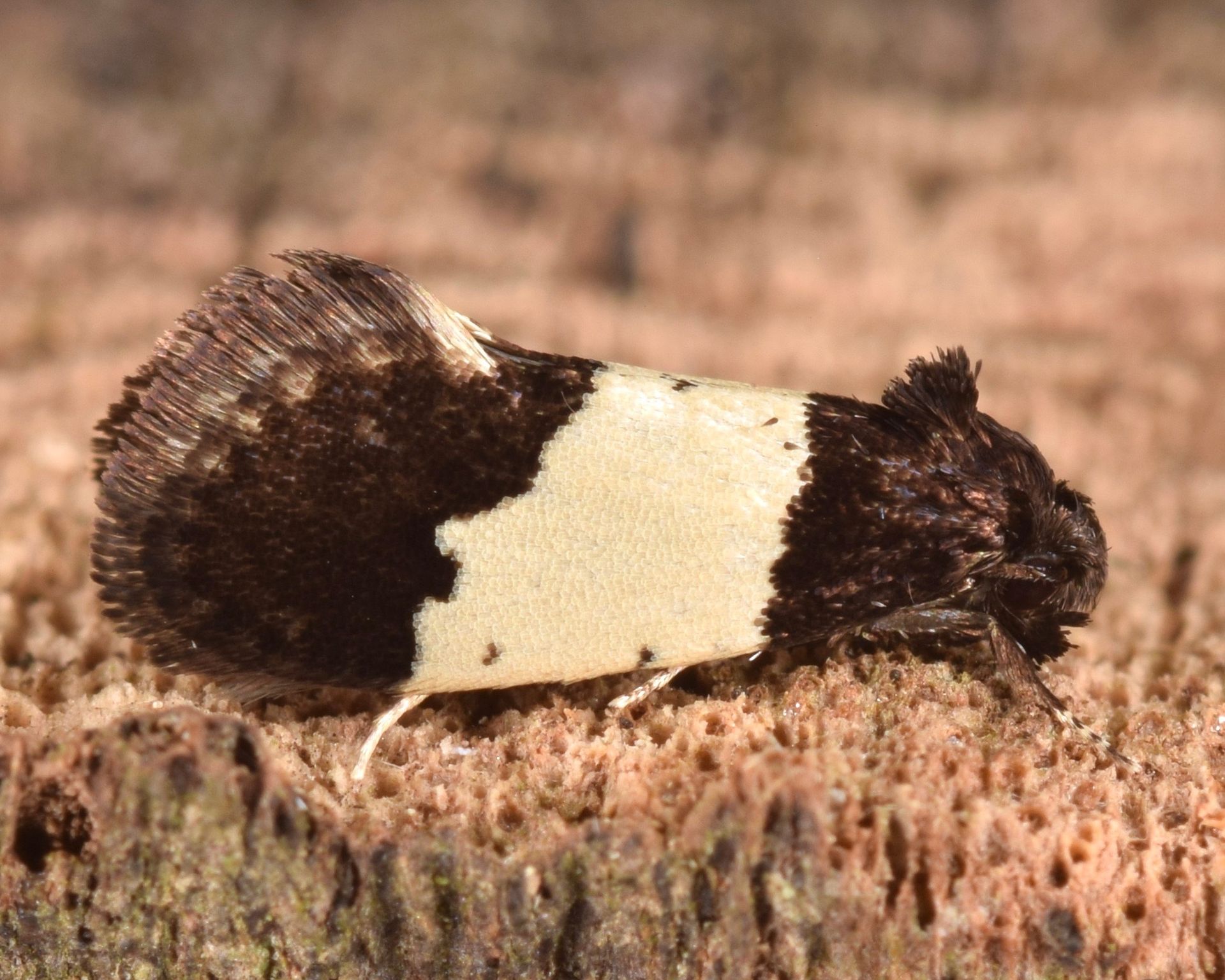
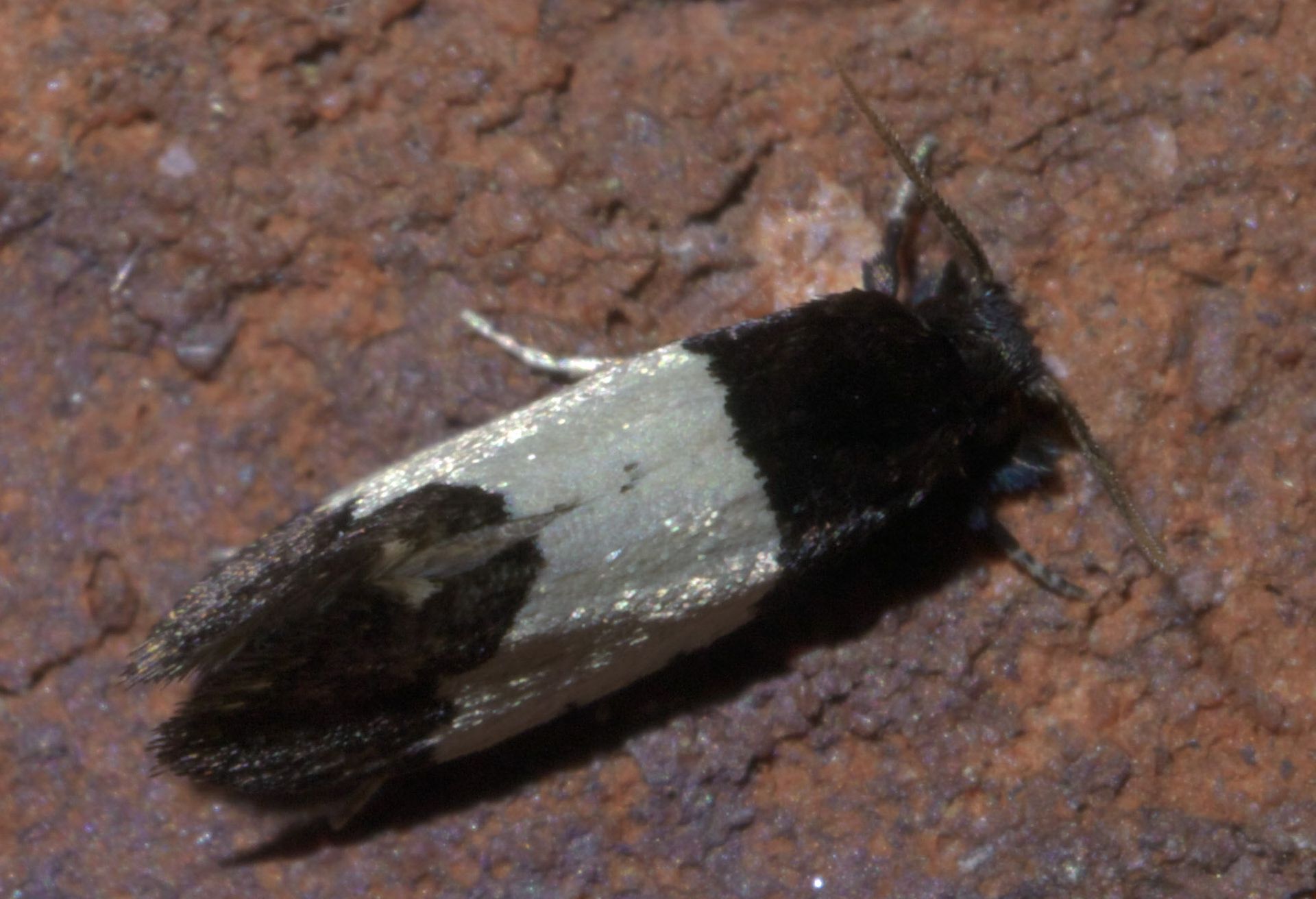
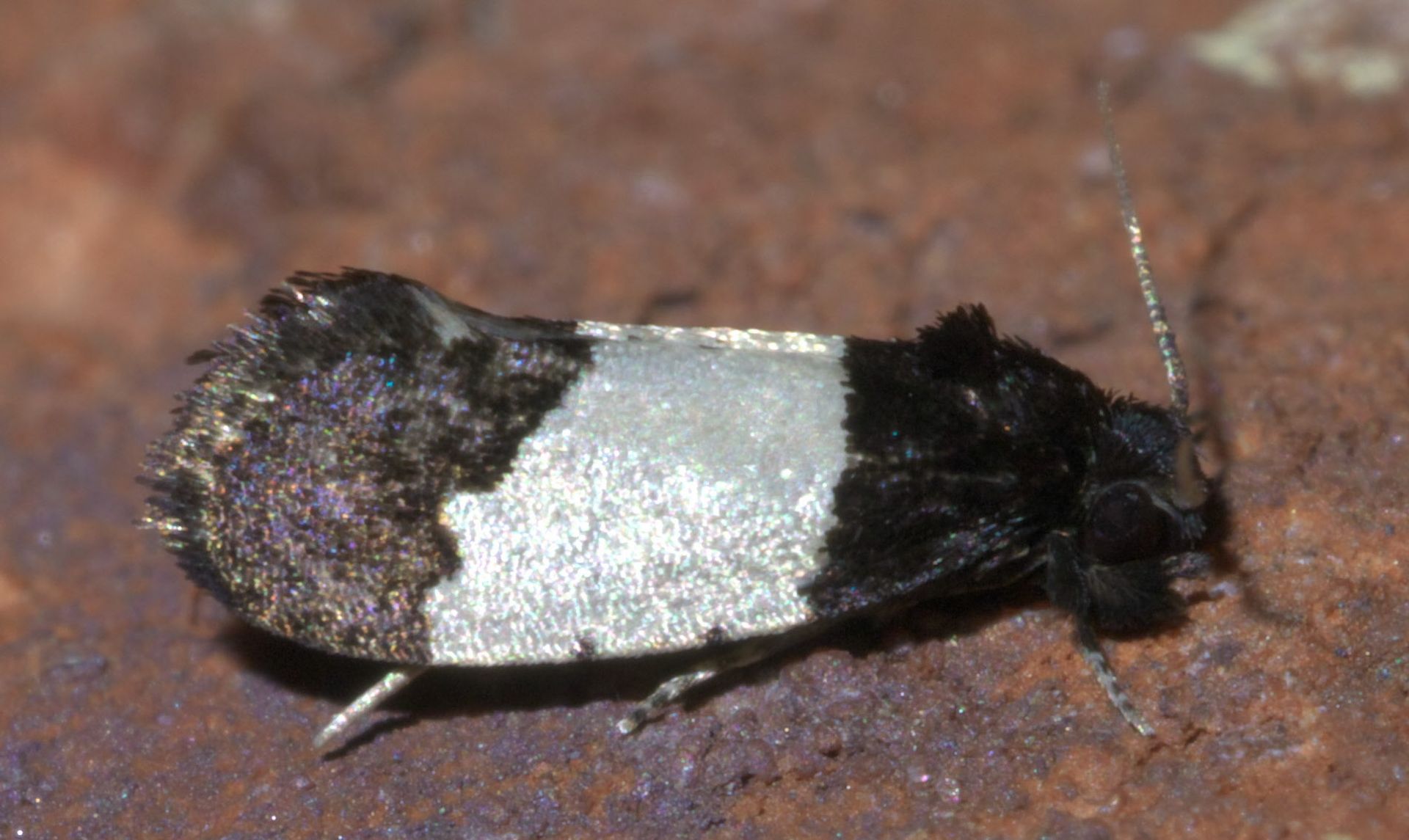
Kearfottia albifasciella is a small in the bagworm Psychidae, first described by Fernald in 1904. The is known from the northeastern United States, with confirmed records from Vermont. are active in spring and are recognized by distinctive white markings on the forewings. Larvae construct portable cases from silk and plant debris, a characteristic trait of the Psychidae family.
Pronunciation
How to pronounce Kearfottia albifasciella: /kɪərˈfɒtiə ælbaɪfæˈsiɛlə/
These audio files are automatically generated. While they are not always 100% accurate, they are a good starting point.
Identification
The white fasciae or patches on the forewings distinguish this from other Kearfottia species. Male genitalia provide definitive identification and require dissection for confirmation. The Kearfottia is separated from related psychid genera by wing venation patterns and case structure in larvae.
Images
Appearance
are small with forewings bearing a conspicuous white patch or fascia, the source of both the and specific epithet. The wingspan is modest, consistent with other members of the . are simple in females and bipectinate in males, a common in Psychidae. Larvae inhabit silk cases reinforced with plant material, which they carry throughout development.
Habitat
Deciduous and mixed woodlands in temperate eastern North America. Specific microhabitat preferences are poorly documented but likely include areas with abundant leaf litter and suitable plants for larval development.
Distribution
Northeastern United States. Confirmed records exist from Vermont. The likely occurs more broadly in New England and adjacent regions, though precise range boundaries remain undefined.
Seasonality
have been observed in spring, with activity concentrated in April and May based on iNaturalist observation records. Larval cases may be found year-round.
Life Cycle
Complete with four stages: , larva, pupa, and . Larvae construct and inhabit portable silk cases incorporating plant debris, which serve as protection and camouflage. occurs within the case. Detailed has not been formally described.
Behavior
Larvae are case-bearers, transporting their constructed cases while feeding. males are winged and fly to locate females; females of many psychid are wingless or brachypterous, though this trait has not been explicitly confirmed for K. albifasciella.
Ecological Role
Larvae function as or herbivores, contributing to nutrient cycling and serving as prey for . Specific ecological impacts have not been studied.
Human Relevance
No documented economic importance. Occasionally encountered by naturalists and enthusiasts. Not considered a pest .
Similar Taxa
- Kearfottia similisSimilar size and wing pattern; distinguished by details of male genitalia and wing markings
- Other Psychidae (Naryciinae)Share case-bearing larval habit; separated by wing pattern and genitalic structure
More Details
Taxonomic Note
placement varies in literature: Psychidae (bagworm moths) in most modern classifications, though NCBI lists Tineidae. The Naryciinae is sometimes treated as a distinct family (Naryciidae) in alternative classifications.
Etymology
Specific epithet 'albifasciella' derives from Latin albus (white) and fascia (band), referring to the white wing markings.