Kearfottia
Fernald, 1904
Species Guides
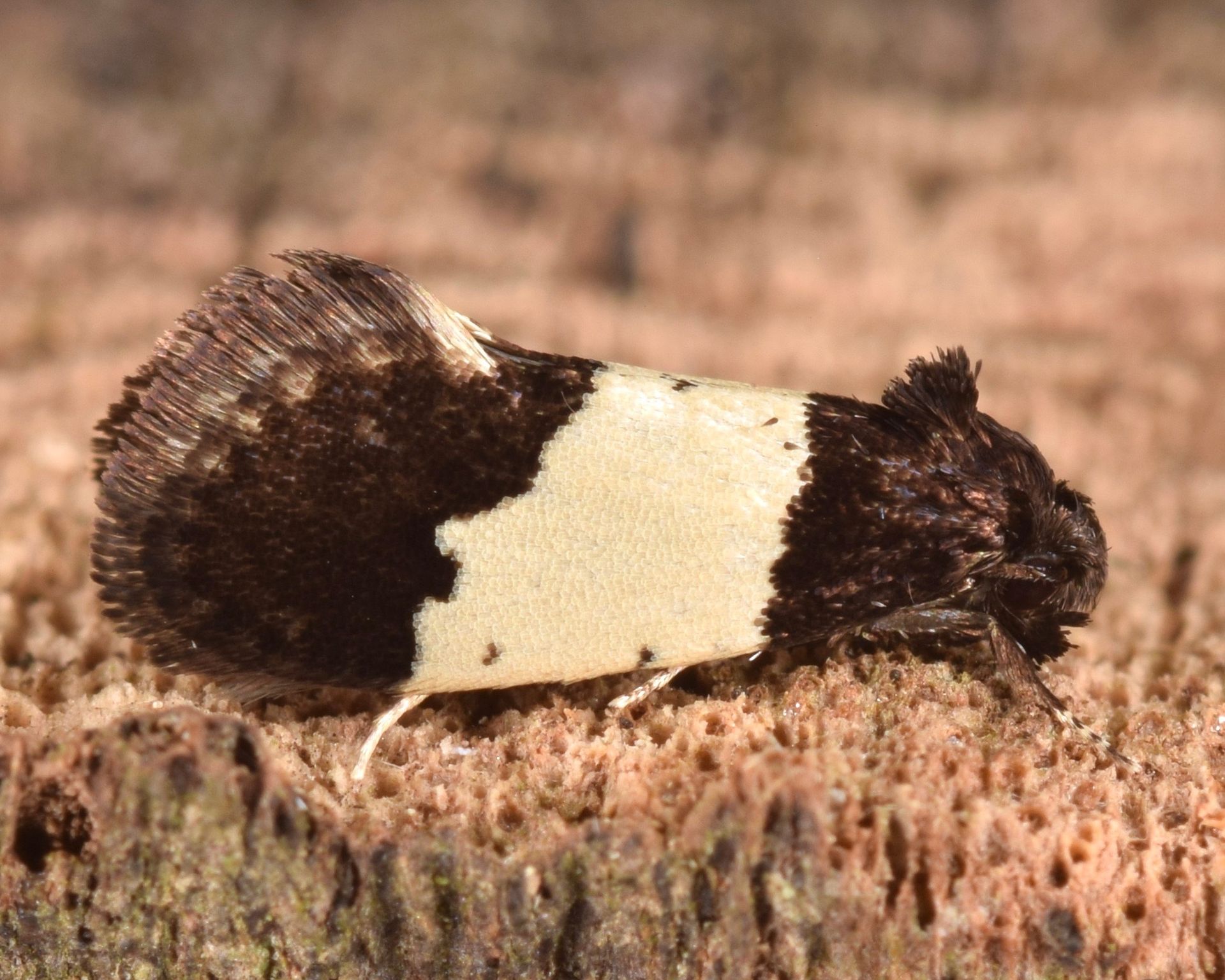
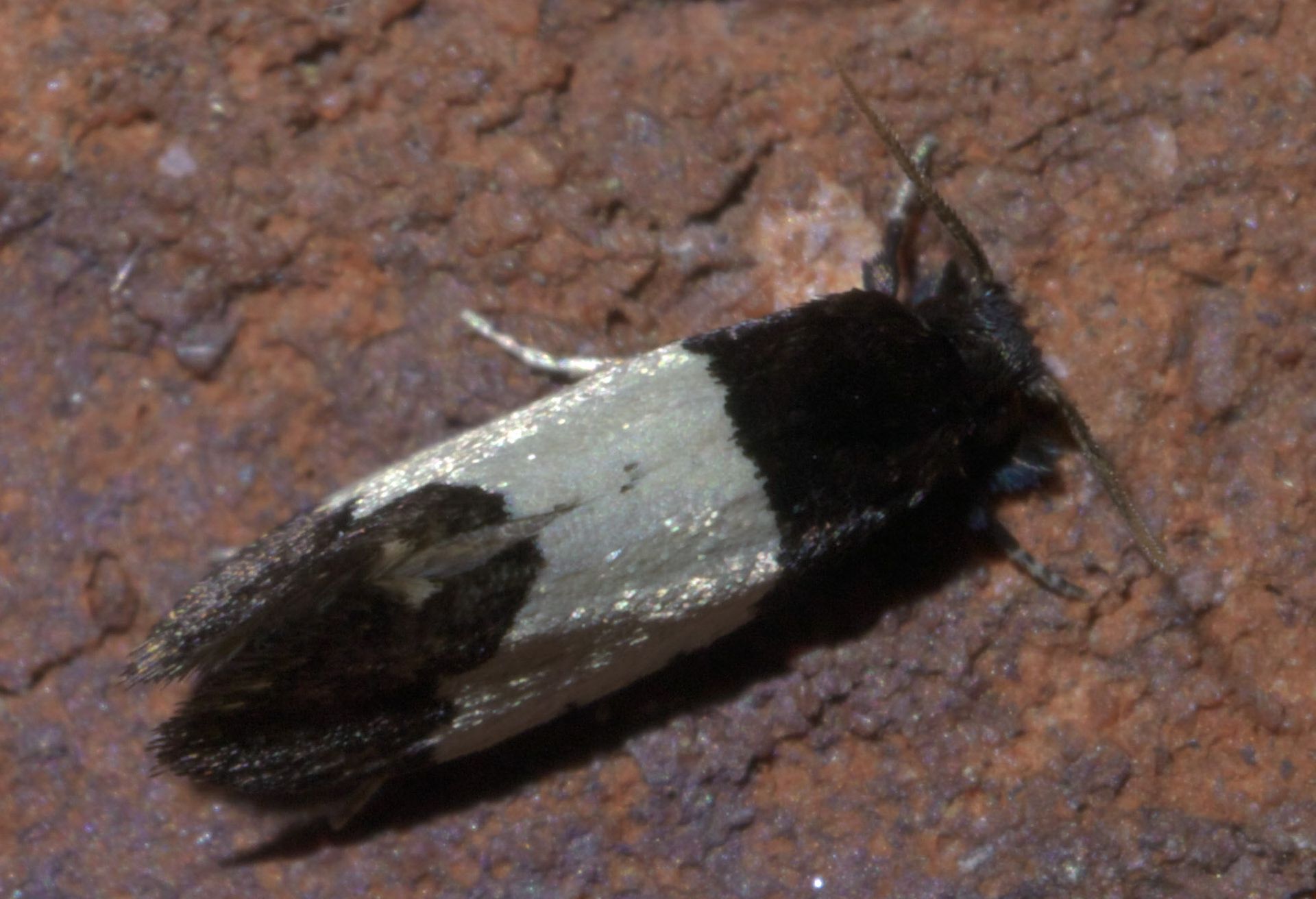
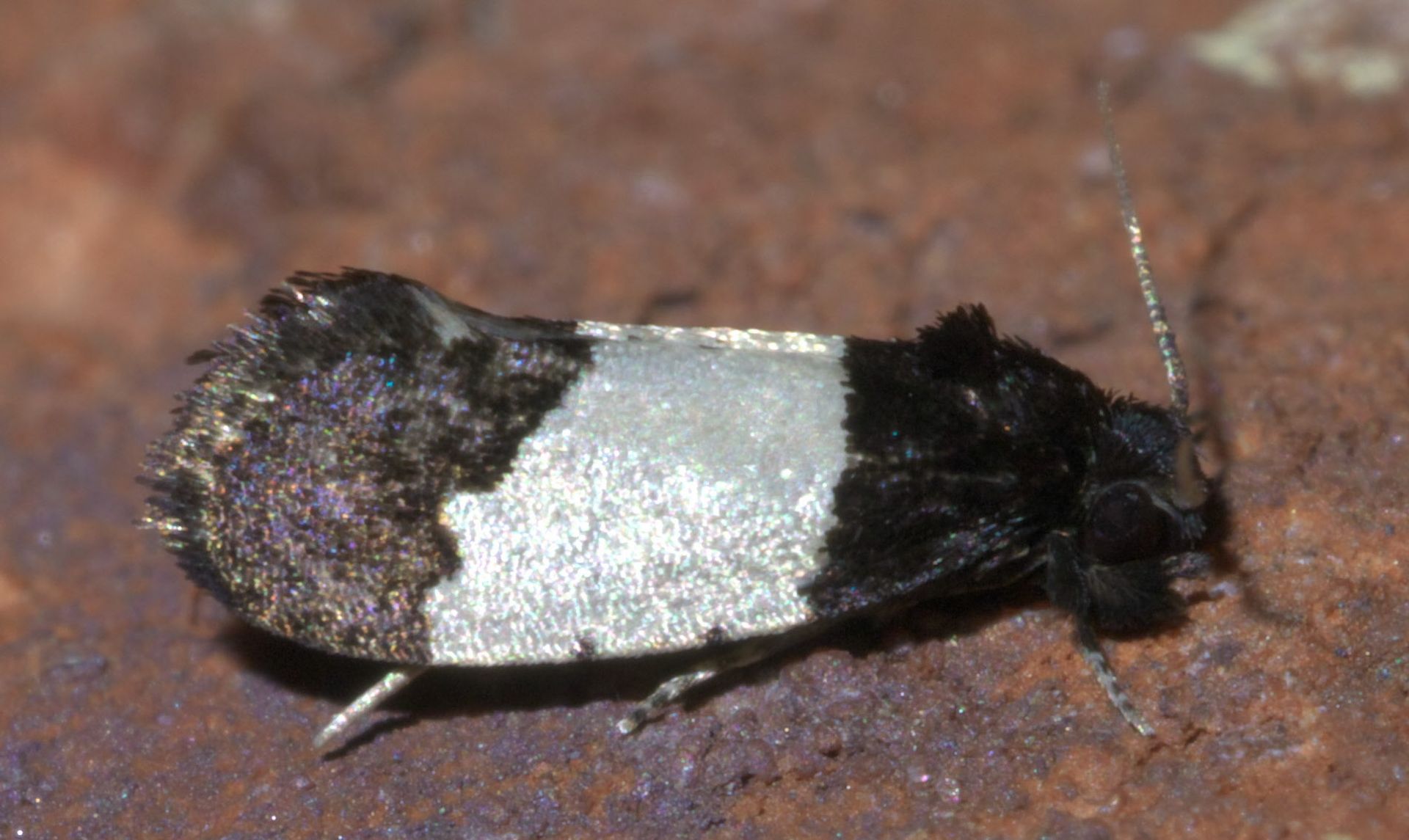
2- Kearfottia albifasciella(White-patched Kearfottia)
- Kearfottia
Kearfottia is a of bagworm moths in the Psychidae, established by Fernald in 1904. The genus belongs to the Naryciinae, a group of small whose larvae construct portable cases from silk and environmental debris. Records indicate presence in the United States, particularly Vermont. The genus contains relatively few described and remains poorly documented in the scientific literature.
Pronunciation
How to pronounce Kearfottia: /kɪərˈfɒtiə/
These audio files are automatically generated. While they are not always 100% accurate, they are a good starting point.
Identification
Kearfottia are distinguished from other Naryciinae by genital and wing venation patterns, though specific diagnostic characters require microscopic examination. are small with reduced wing scaling typical of Psychidae. Larvae construct cylindrical or flattened cases incorporating plant material, distinguishing them from related with different case architecture.
Images
Distribution
United States; documented from Vermont with additional records from unspecified U.S. localities.
Similar Taxa
- NaryciaBoth belong to Naryciinae and share small size and larval case-building ; distinguished by genital structure and case .
- DahlicaOverlaps in geographic range and ; Dahlica generally have more elongate larval cases and different wing patterning.
More Details
Taxonomic Uncertainty
placement has varied across sources: Catalogue of Life places Kearfottia in Psychidae Naryciinae, while NCBI lists it in Tineidae. This discrepancy reflects historical instability in psychid classification and the need for modern molecular phylogenetic study.
Data Limitations
Despite 640 iNaturalist observations attributed to this , published -level and biological data remain sparse. Most observations likely represent undetermined or misidentified material given the difficulty of field identification to genus in this group.