
Dysodia
Window-winged Moths
Dysodia is a of window-winged moths in the Thyrididae, characterized by translucent square or rectangular spots on their wings. These are larger and heavier-bodied than the related genus Thyris, and are strictly . At least four occur in the United States, with additional undescribed species present in southern Texas. The genus belongs to a predominantly tropical family with over 760 species worldwide.
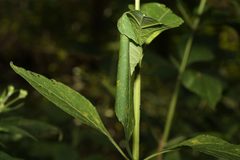
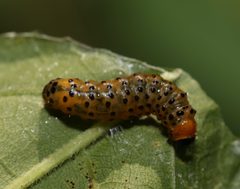
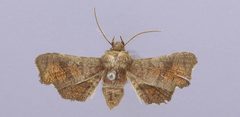
Identification
Distinguished from the related Thyris by larger size, heavier body, and strictly . Thyris are and generally smaller. The translucent wing spots are shared with other Thyrididae but body proportions and activity period help separate genera. Specific species identification within Dysodia requires expert examination; the south Texas appears to represent an undescribed species.
Images
Appearance
Slightly larger and heavier-bodied than Thyris , with the characteristic square or rectangular translucent spots on wings that give Thyrididae their . Wing pattern includes pale or amber-colored window-like patches.
Habitat
Found in southern Arizona and the Lower Rio Grande Valley of southernmost Texas. Associated with areas where plants grow. Specific microhabitat preferences not documented.
Distribution
Southern Arizona and southernmost Texas in the United States. The has broader distribution in the Neotropics given the 's pantropical distribution.
Seasonality
active at night and attracted to lights. Specific periods not documented in available sources.
Diet
: Not documented. Larvae: herbivores that feed on leaves of plants.
Life Cycle
Larvae roll leaves of plants with silk, forming both shelter and feeding site. Some Thyrididae bore in stems or twigs, but this is not confirmed for Dysodia specifically.
Behavior
Strictly . attracted to artificial lights. Larvae construct leaf rolls for shelter and feeding.
Ecological Role
Herbivore as larvae; role as not documented. Part of insect attracted to lights.
Human Relevance
Occasionally encountered by entomologists and naturalists conducting insect surveys. No documented economic or agricultural significance.
Similar Taxa
- ThyrisAlso in Thyrididae with translucent wing spots, but Thyris are , smaller, and more slender-bodied; Dysodia is strictly and larger
More Details
Taxonomic Uncertainty
The in south Texas is likely undescribed, highlighting ongoing taxonomic work needed in this
Research Gap
Basic information including plants, periods, and complete U.S. distribution remains poorly documented for most