Zophodia grossulariella
Hübner, 1809
Gooseberry Fruitworm Moth
Zophodia grossulariella is a of pyralid commonly known as the Gooseberry Fruitworm Moth. It occurs in Europe and North America, where its larvae develop inside gooseberry fruits. The species is recognized as a synonym of Zophodia convolutella in some taxonomic databases, reflecting ongoing nomenclatural uncertainty.
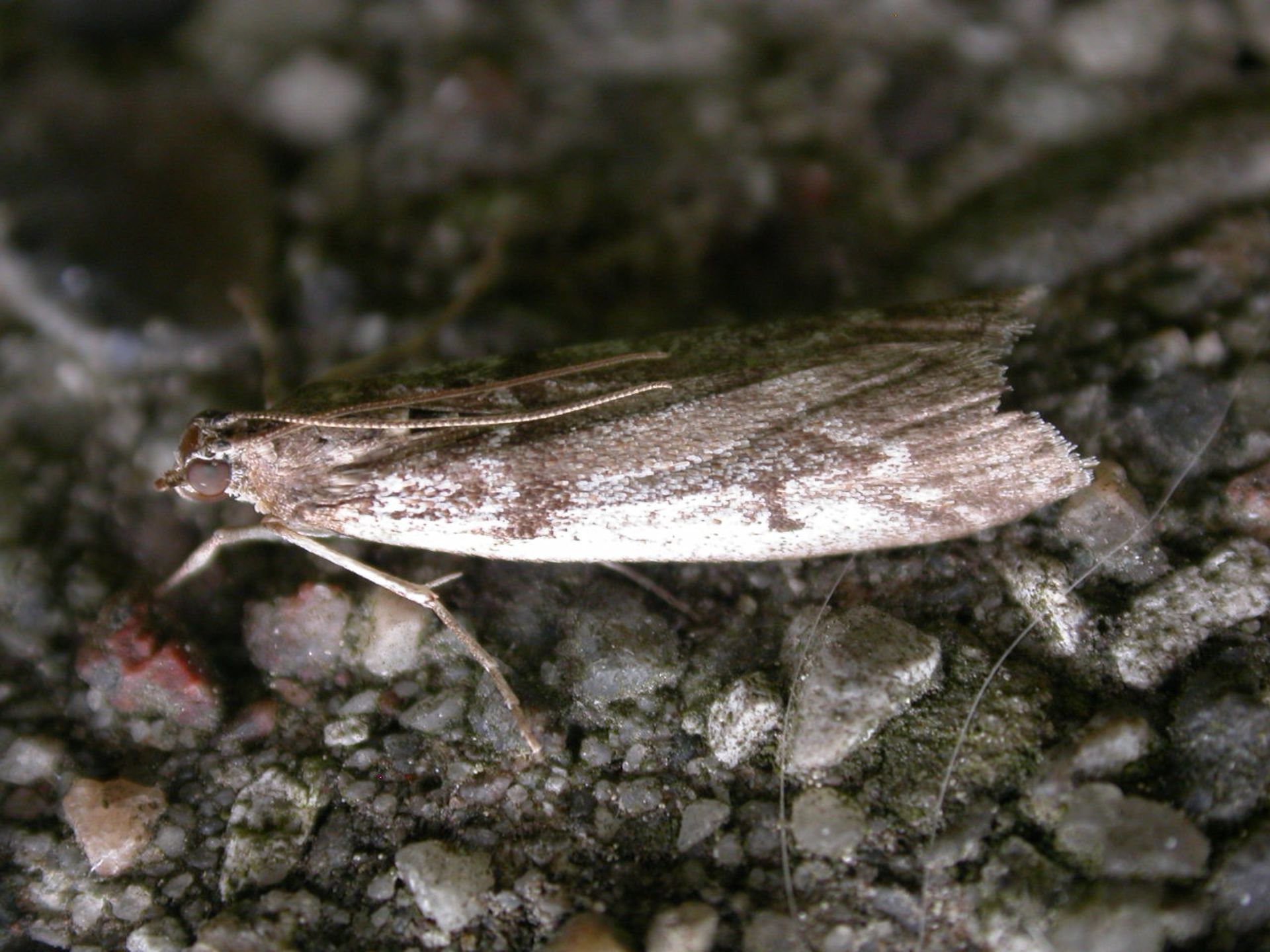
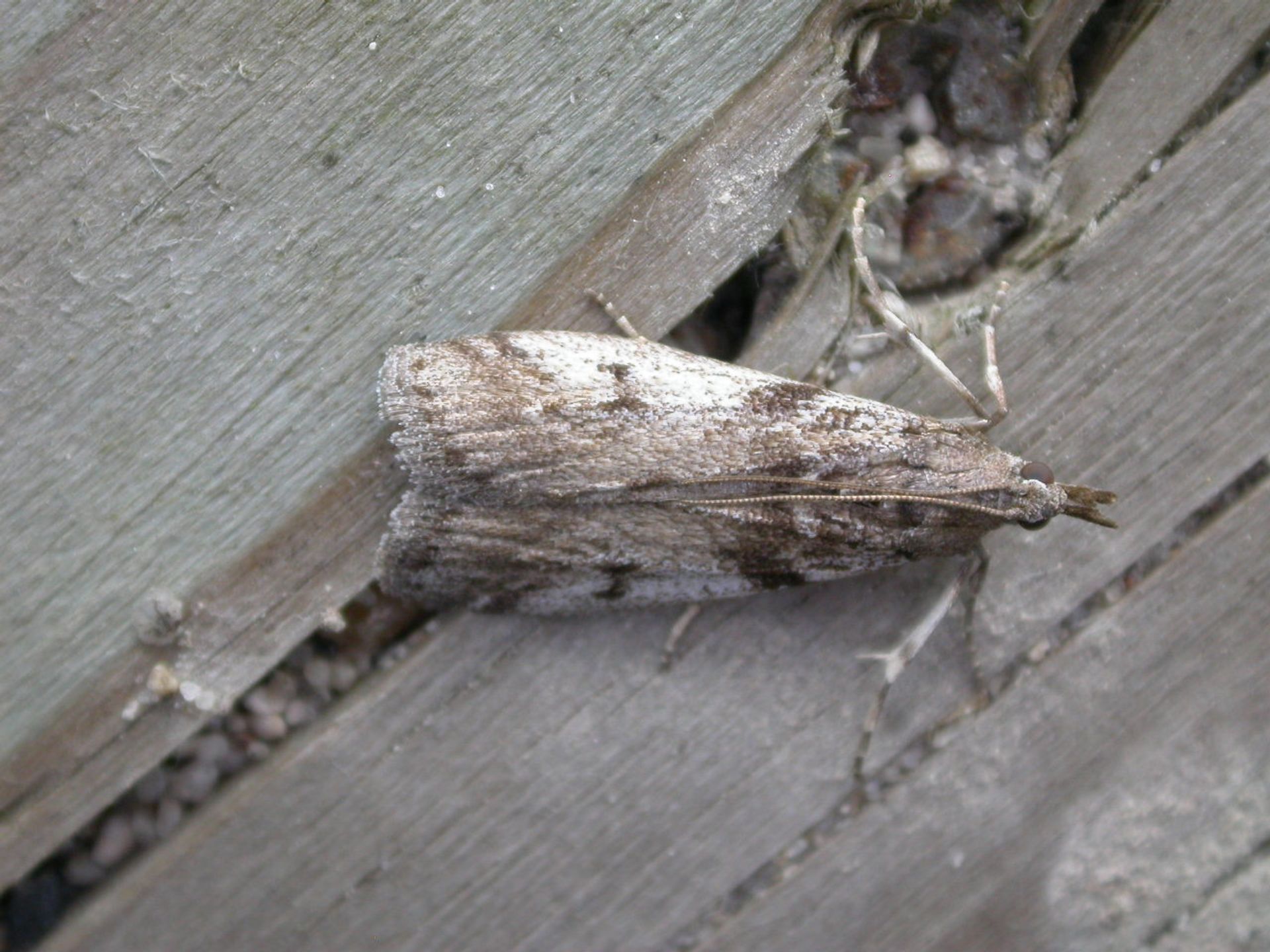
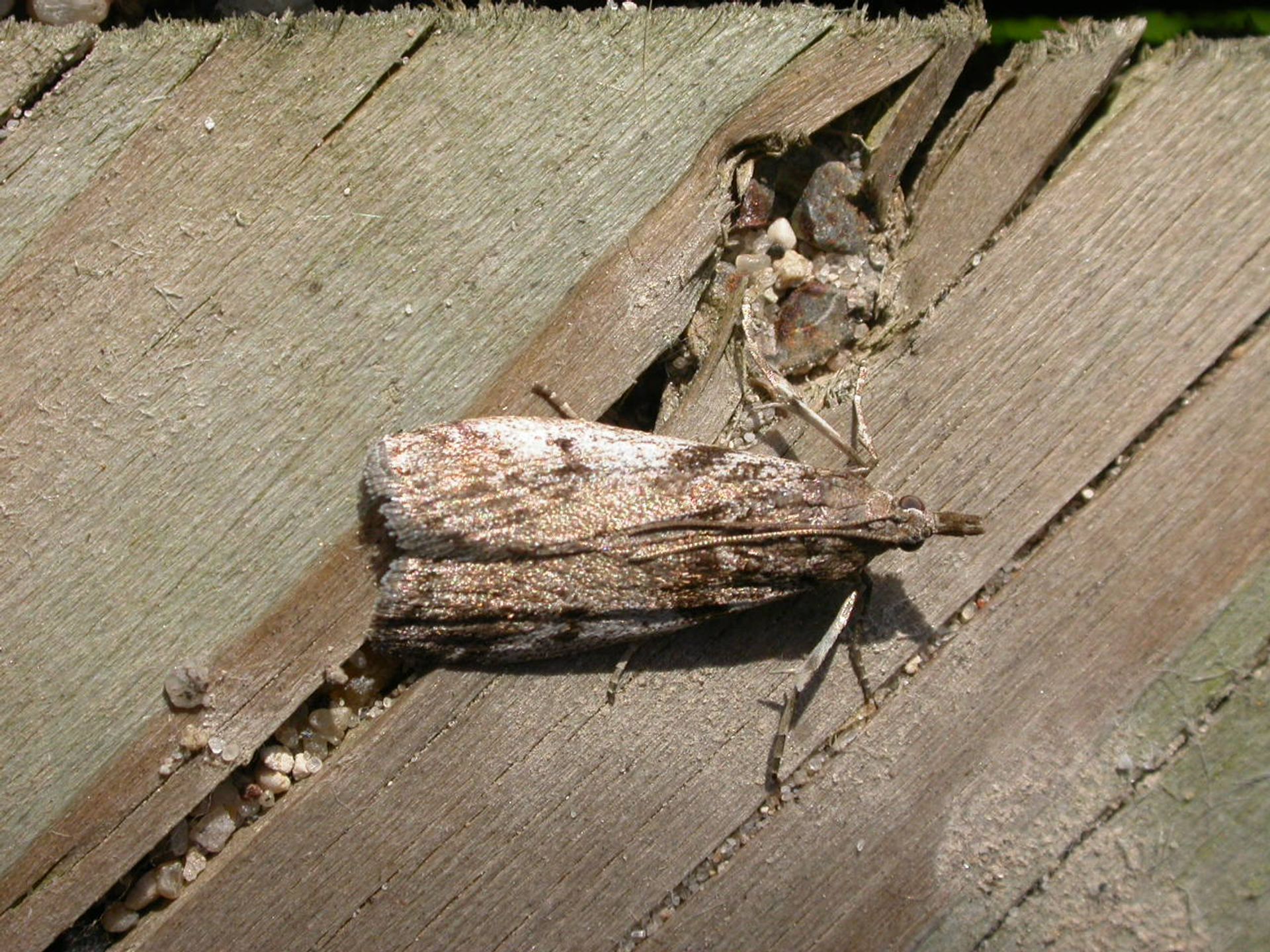
Pronunciation
How to pronounce Zophodia grossulariella: //zoʊˈfoʊdiə ˌɡrɒsjuːˌlɛəˈriɛlə//
These audio files are automatically generated. While they are not always 100% accurate, they are a good starting point.
Identification
Wingspan of 25–36 mm. active in spring (April–May). Larvae are internal feeders in gooseberry fruits, causing characteristic damage. Similar to other Zophodia ; precise identification may require examination of genitalia or larval association.
Images
Habitat
Associated with cultivated and wild gooseberry (Ribes uva-crispa) plants. Specific preferences for are not documented.
Distribution
Europe (including the Netherlands and England) and North America. Precise North American range boundaries are not well documented.
Seasonality
are on wing from April to May, with timing varying by location.
Diet
Larvae feed on Ribes uva-crispa (gooseberry), developing inside the fruits.
Host Associations
- Ribes uva-crispa - larval food plantFruits are consumed internally by larvae
Life Cycle
Larval development occurs within gooseberry fruits. Details of site, stage, and number of per year are not documented.
Ecological Role
Larvae function as fruit borers in their plant. The serves as a host for including Coccygomimus sanguinipes (Ichneumonidae).
Human Relevance
Considered a pest of gooseberry due to larval feeding damage to fruits. by has been documented.
Similar Taxa
- Zophodia convolutellaCurrently treated as a synonym in some taxonomic databases (GBIF, Catalogue of Life), though historically recognized as distinct. The two names may represent the same biological .
- Zophodia grossulariellaThe itself is listed as a for Coccygomimus sanguinipes under the name 'Gooseberry Fruitworm (Zophodia convolutella)' in host records, further indicating nomenclatural confusion between these .
More Details
Taxonomic Status
Zophodia grossulariella is listed as a synonym of Zophodia convolutella in GBIF and Catalogue of Life, though NCBI and other sources maintain it as a valid . The basionym Tinea grossulariella Hubner, 1809 indicates early description history.
Parasitoid Relationships
Documented as a for the ichneumonid Coccygomimus sanguinipes (formerly Pimpla sanguinipes), a of larvae. This parasitoid relationship has been noted in agricultural and forestry contexts.