Varneria
Dyar, 1904
Species Guides
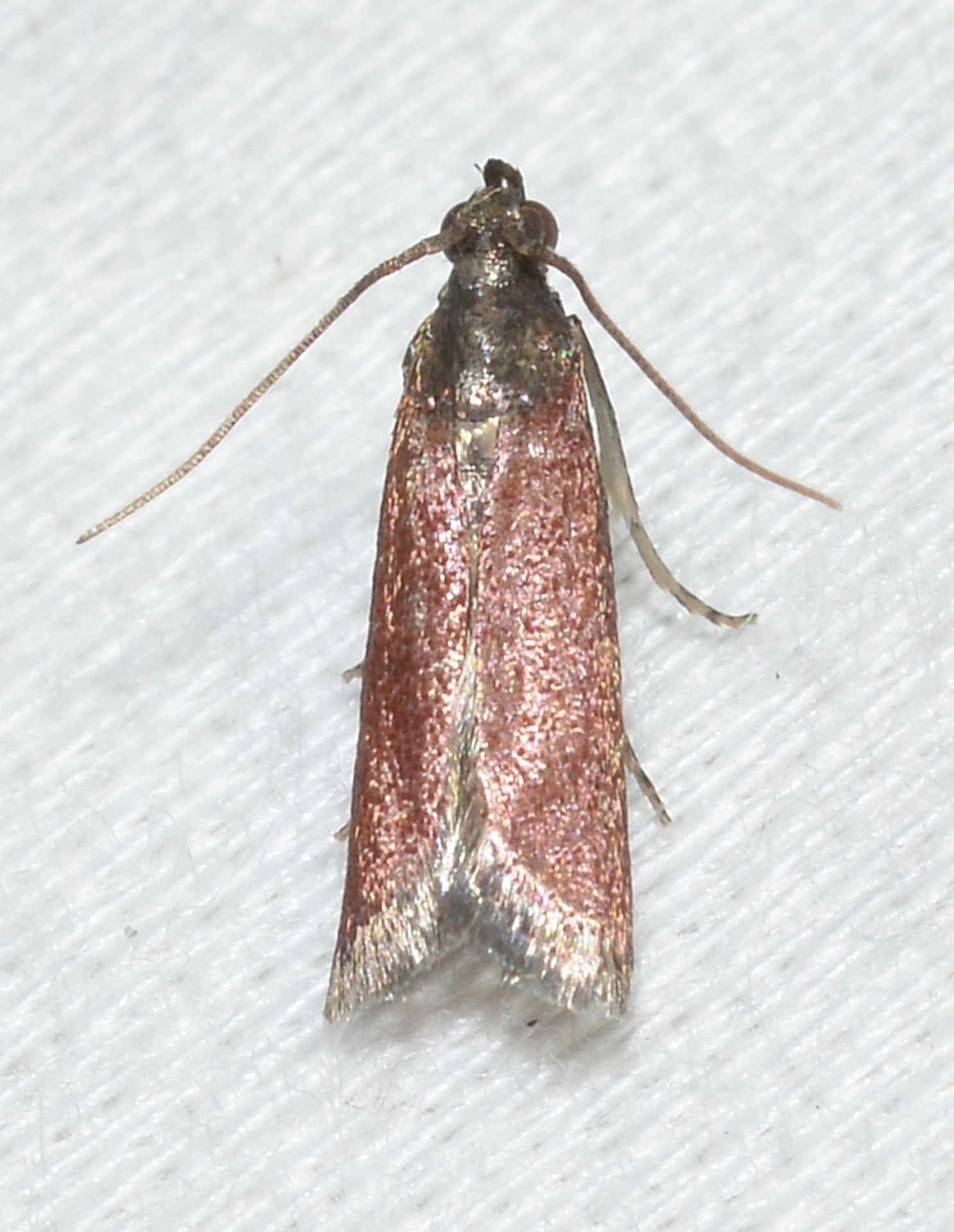
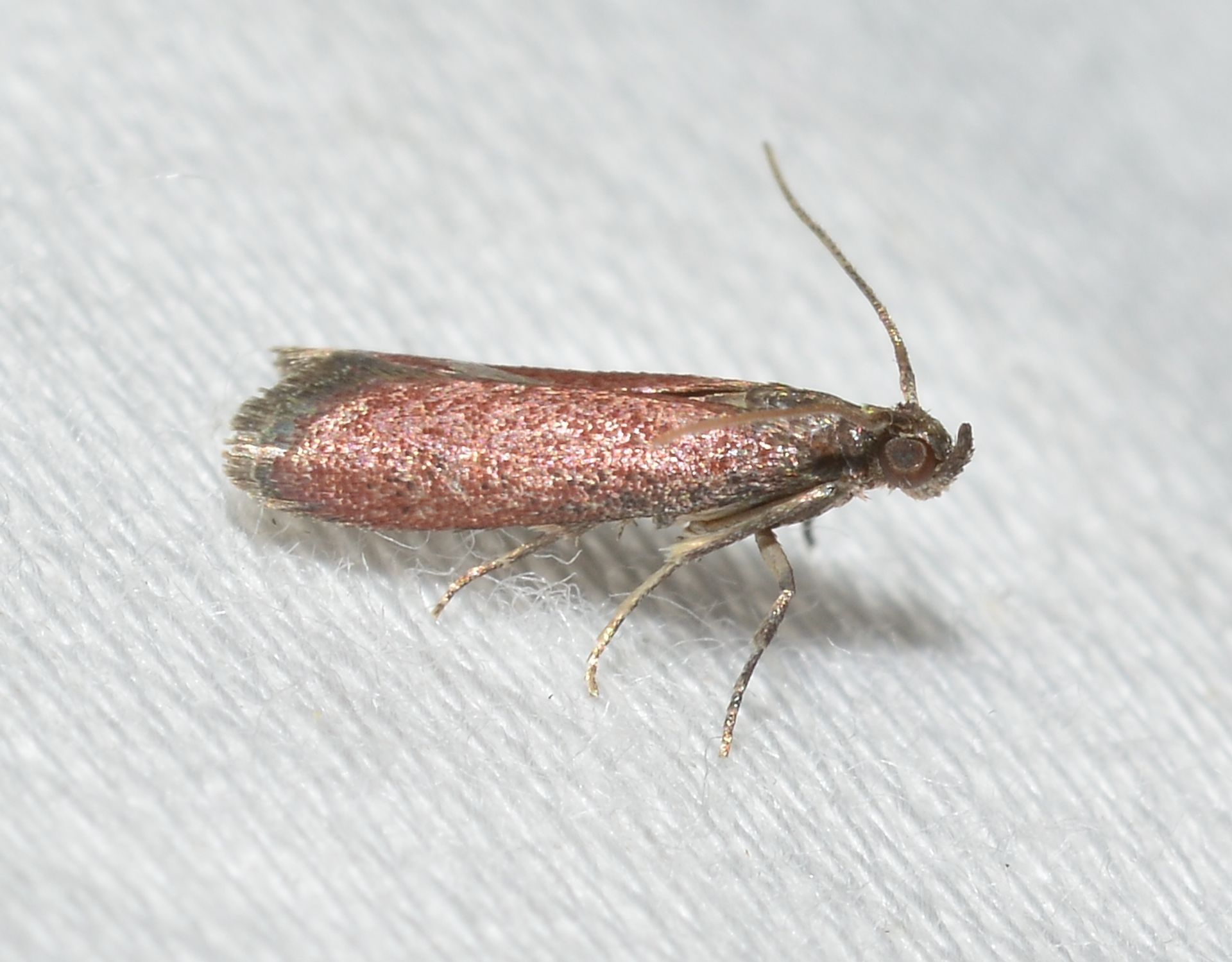
2- Varneria atrifasciella
- Varneria postremella(Rusty Varneria Moth)
Varneria is a of snout moths in the Pyralidae, Phycitinae. The genus was described by Dyar in 1904 and contains multiple distributed primarily in the Americas. These are part of a diverse group of small to medium-sized pyralids often associated with dry or arid environments. The genus is documented through over 1,000 iNaturalist observations, indicating moderate field recognition.
Pronunciation
How to pronounce Varneria: /vɑːrˈnɛriə/
These audio files are automatically generated. While they are not always 100% accurate, they are a good starting point.
Identification
Varneria can be distinguished from other Phycitinae by a combination of genitalic characters and wing pattern elements, though specific diagnostic features require examination. The genus is not readily separable from some related phycitine genera based on superficial appearance alone; dissection and reference to original descriptions are typically necessary for confident identification.
Images
Habitat
in this are generally found in arid and semi-arid environments, including desert scrub, dry grasslands, and xeric woodland edges. They appear to favor warm, dry conditions characteristic of southwestern North American and adjacent Mexican .
Distribution
The is distributed in North America, with records concentrated in the southwestern United States (Arizona, New Mexico, Texas, California) and extending into Mexico. The range corresponds to arid and semi-arid zones of the region.
Seasonality
activity occurs primarily during the warmer months, with most observations concentrated from late spring through early autumn (May–October). Specific periods vary by and locality.
Behavior
are and attracted to light, as is typical for Pyralidae. Larval is poorly documented for most .
Ecological Role
As larvae, likely function as herbivores or in their respective , though specific ecological roles are undocumented. may serve as prey for .
Human Relevance
No significant economic or agricultural impact is documented. The is of interest primarily to lepidopterists and researchers studying arid-zone diversity.
Similar Taxa
- Other Phycitinae generaMany phycitine share similar size, wing shape, and general coloration; genitalic dissection is required for definitive separation from Varneria.
- EphysterisSome formerly or currently placed in Ephysteris may resemble Varneria in external appearance; careful examination of wing venation and genitalia distinguishes them.
More Details
Taxonomic history
The was established by Harrison G. Dyar in 1904. Some have been moved into or out of Varneria over time, reflecting ongoing revisions within the taxonomically challenging Phycitinae.
Observation data
The has accumulated over 1,000 iNaturalist observations, suggesting it is moderately well-documented photographically, though many records may lack -level identification due to the difficulty of visual identification.