Dioryctria ebeli
Mutuura & Munroe, 1979
South Coastal Coneworm Moth
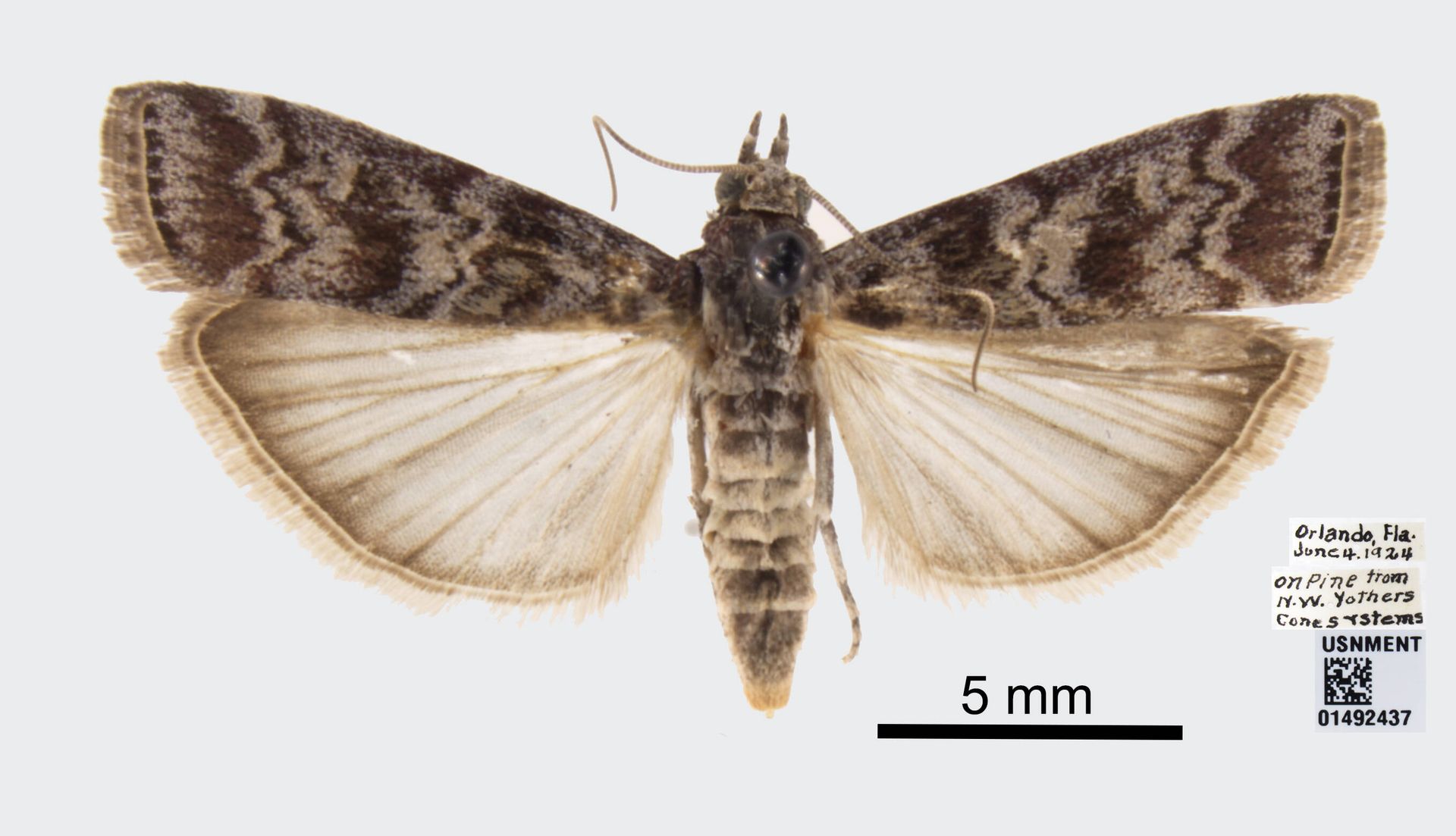
Dioryctria ebeli, the south coastal coneworm , is a of pyralid moth described in 1979. It belongs to a whose larvae are commonly known as coneworms due to their habit of feeding within conifer cones. The species has a restricted distribution along the southeastern and Gulf coasts of the United States, with scattered records as far north as Massachusetts. Larval development occurs within pine cones.
Pronunciation
How to pronounce Dioryctria ebeli: /diːəˈrɪktriə ˈɛbɛli/
These audio files are automatically generated. While they are not always 100% accurate, they are a good starting point.
Identification
are small , typical of the Dioryctria, with a wingspan likely in the 15-25 mm range based on congeneric . Species-level identification requires examination of genitalia or detailed wing pattern analysis; the forewings typically show the banded or mottled patterns characteristic of Phycitinae. Separation from other Dioryctria species depends on geographic range and subtle morphological differences described in the original species description.
Images
Habitat
Associated with pine forests and plantations, particularly in coastal plain environments. The occupies where Pinus species occur, including managed pine stands and natural coastal pine woodlands.
Distribution
Southeastern United States: Florida, southern South Carolina, Georgia, Alabama, southeastern Louisiana, and Massachusetts. The Massachusetts record appears to represent a disjunct northern or vagrant occurrence.
Diet
Larvae feed on Pinus (pines), developing within cones. Specific pine species have not been documented for this species.
Host Associations
- Pinus - larval food plant-level association; specific pine unknown
Life Cycle
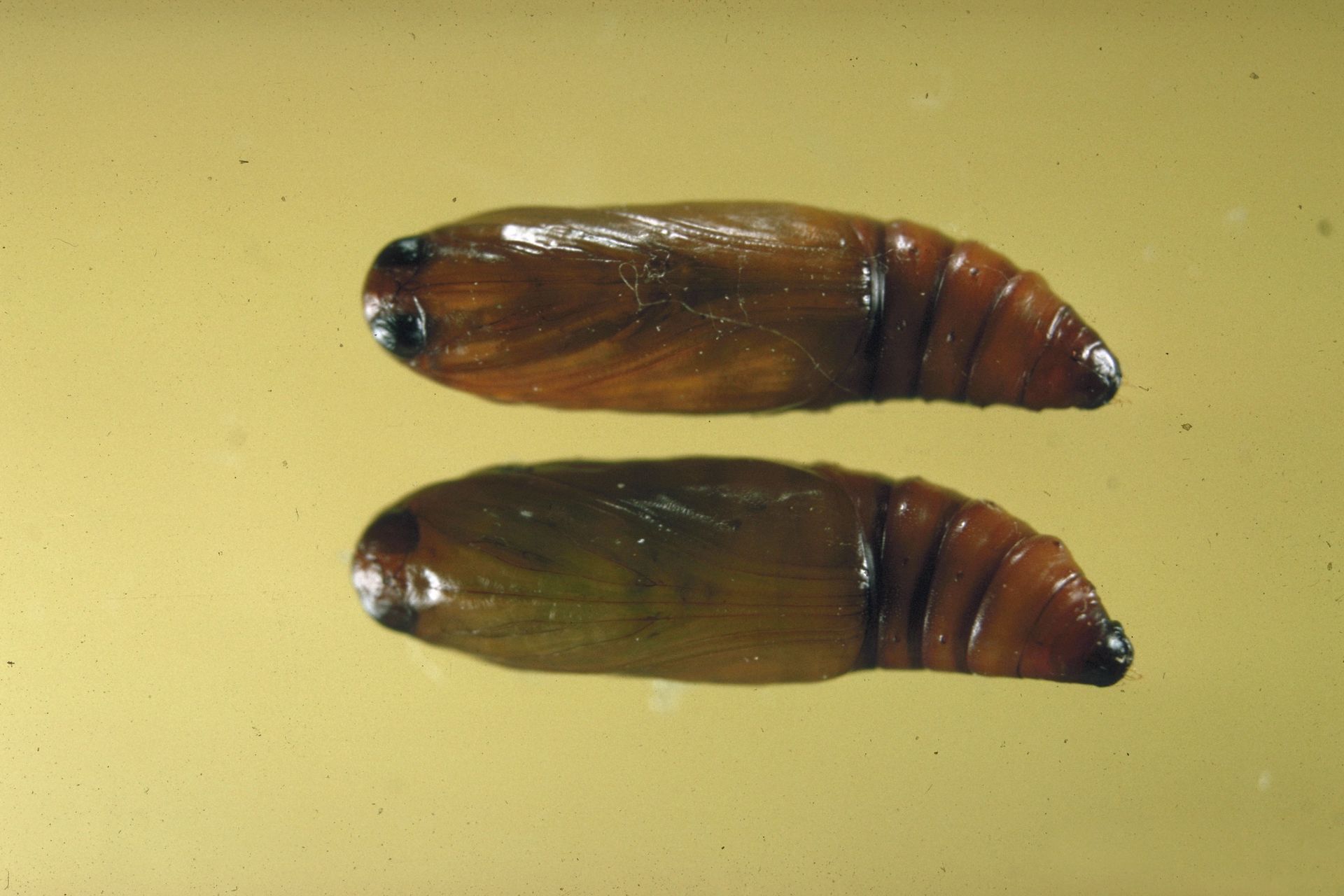
Complete with , larva, pupa, and stages. Larvae develop within pine cones, where they feed on cone tissues and seeds. presumably occurs within the cone or in surrounding debris. Detailed parameters such as number of per year and stage are undocumented.
Behavior
are and attracted to light. Larvae are concealed feeders, tunneling within pine cones and reducing seed viability. This concealed feeding habit makes larvae difficult to detect and protects them from many and environmental hazards.
Ecological Role
As a seed in pine , larvae reduce conifer reproductive output. The contributes to natural cone and seed mortality in native pine stands. In this capacity, it functions as a member of the guild of conifer cone insects that influence forest dynamics.
Human Relevance
Potential minor pest of pine seed production in seed orchards and natural stands. The concealed larval habit within cones limits effectiveness of chemical control. Related Dioryctria are significant pests in forestry, suggesting this species may require monitoring in managed pine systems.
Similar Taxa
- Dioryctria auranticellaPonderosa Pine Coneworm; overlaps in use on Pinus but restricted to western North America, allowing geographic separation
- Dioryctria abietellaFir coneworm; feeds on Abies and Picea rather than Pinus, and occurs in different geographic range
- Dioryctria pryeriAnother pine-feeding coneworm; distinguished by morphological details and more northern/western distribution
More Details
Taxonomic History
Described by Mutuura and Munroe in 1979, part of a comprehensive revision of North American Dioryctria. The specific epithet honors an individual, presumably Ebel, though the etymology was not detailed in the provided sources.
Sources and further reading
- BugGuide
- Wikipedia
- GBIF taxonomy match
- iNaturalist taxon
- NCBI Taxonomy
- Catalogue of Life
- Baryscapus dioryctriae Archives - Entomology Today
- Baryscapus dioryctriae - Entomology Today
- Bug Eric: New Mexico Night Bugs
- Bug Eric: My Personal National Moth Week, 2017
- Bug Eric: September 2017
- New Wasp Species Discovered Parasitizing Pests of Pine Trees