Acrobasis pallicornella
Ragonot, 1887
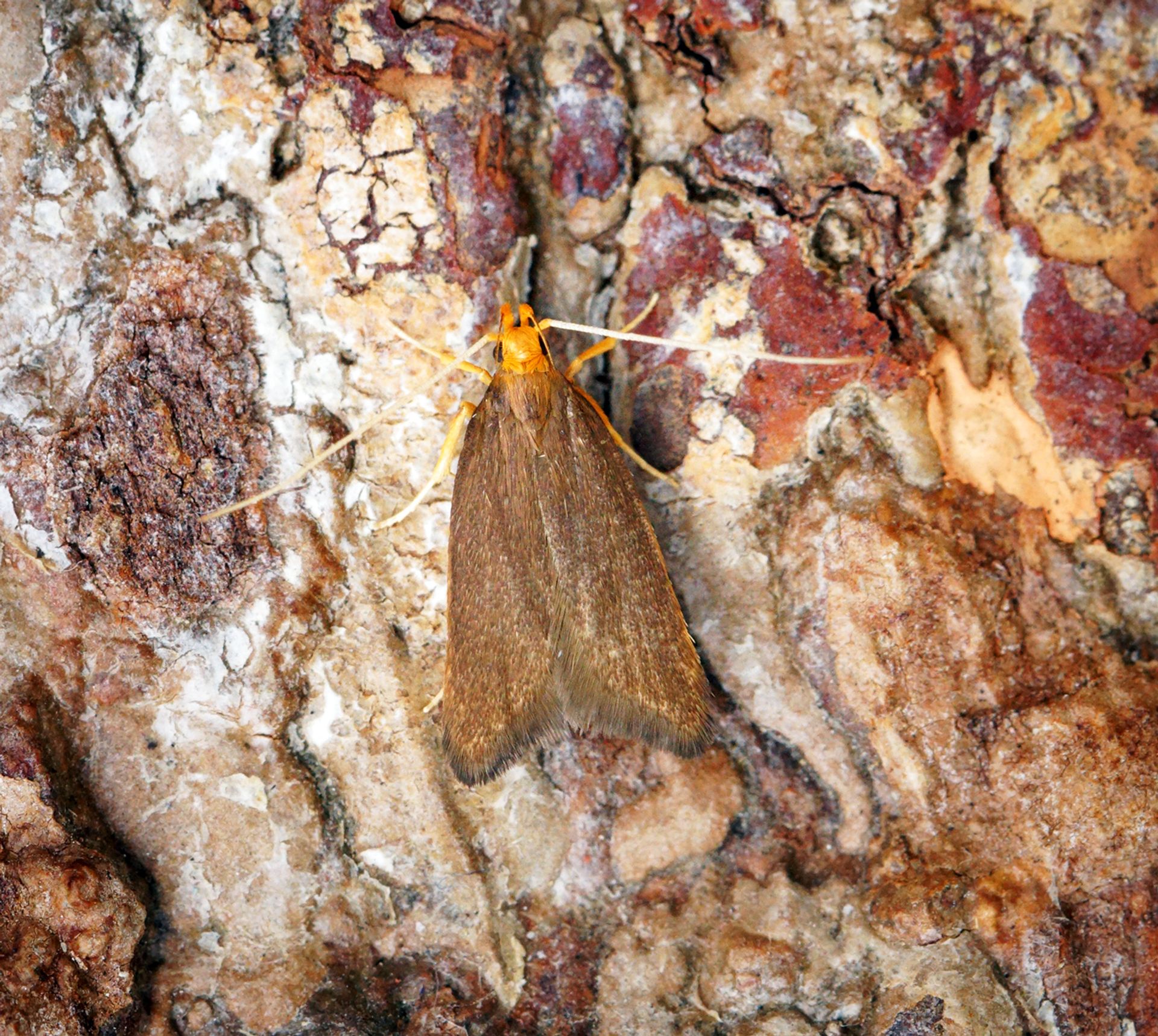
Acrobasis pallicornella is a of snout moth in the Acrobasis, described by Ragonot in 1887. It belongs to the Pyralidae, Phycitinae. The species is known from Texas, with limited available information about its and . Like other members of the genus Acrobasis, it likely has a concealed larval lifestyle, though this has not been documented specifically for this species.
Pronunciation
How to pronounce Acrobasis pallicornella: //ˌæ.kroʊˈbeɪ.sɪs ˌpæl.ɪ.kɔːrˈnɛl.lə//
These audio files are automatically generated. While they are not always 100% accurate, they are a good starting point.
Identification
Acrobasis pallicornella can be distinguished from other Acrobasis by its pale (the specific epithet "pallicornella" refers to this trait: "palli-" meaning pale, "-cornella" referring to antennae). Accurate identification to species level in this typically requires examination of genitalia or reference to original species descriptions. The species is known only from Texas, which may help narrow identification within the genus.
Images
Distribution
Known from Texas, United States. No additional geographic records have been documented.
Similar Taxa
- Acrobasis nuxvorellaBoth are small pyralid moths in the same , but A. nuxvorella is a major pecan pest with well-documented , while A. pallicornella has minimal known natural history. A. nuxvorella has a distinct ridge of dark across the forewings.
- Other Acrobasis speciesThe contains numerous with similar general appearance; A. pallicornella is distinguished by its pale and known Texas distribution, though many are poorly documented.
More Details
Taxonomic note
The was described by Émile Ragonot in 1887. Ragonot was a prominent French entomologist who described many Pyralidae species in the late 19th century. The original description was published in the Proceedings of the Entomological Society of Washington.
Data deficiency
This is extremely poorly known. As of 2024, iNaturalist records only 9 observations, and no peer-reviewed literature documents its , associations, or stages. This is typical for many described insect species, particularly those not associated with agricultural or economic impacts.
Sources and further reading
- BugGuide
- Wikipedia
- iNaturalist taxon
- Acrobasis nuxvorell Archives - Entomology Today
- Pecan Nut Casebearer: New Guide Provides IPM Options
- Bug Eric: Wasp Wednesday: Mesostenus
- Bug Eric: A Potential New Host Record for Calliephialtes grapholithae (Hymenoptera: Ichneumonidae) from a Paper Wasp nest (Hymenoptera: Vespidae: Polistes metricus)