
Thyridopyralis
Dyar, 1901
Species Guides
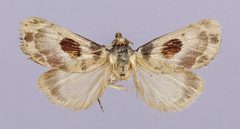
1Thyridopyralis is a of snout moths in the Pyralidae, Galleriinae, erected by Harrison Gray Dyar in 1901. The genus contains relatively few described and remains poorly known in terms of and . Members are small to medium-sized pyralid moths with the characteristic elongated labial palps typical of the family. The genus appears to be restricted to the New World, with records primarily from the Americas.
Pronunciation
How to pronounce Thyridopyralis: /ˌθaɪrɪdoʊˈpaɪrəlɪs/
These audio files are automatically generated. While they are not always 100% accurate, they are a good starting point.
Identification
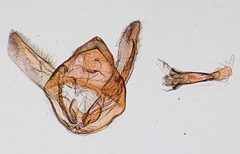
Thyridopyralis can be distinguished from other Galleriinae by wing venation and genitalic characters, though specific diagnostic features require expert examination. The genus name references superficial resemblance to in the Thyrididae (window-winged moths), from which Pyralidae members can be separated by wing coupling mechanisms and larval . Accurate identification to species level generally requires dissection and comparison with .
Images
Distribution
New World; recorded from North and Central America based on specimen collections and limited observational data.
Similar Taxa
- Thyrididae (window-winged moths)Similar wing patterning and historical confusion; Thyridopyralis was named for this resemblance but belongs to Pyralidae, separable by wing structure and larval features.
- Other Galleriinae genera (e.g., Galleria, Achroia)Shared characteristics; Thyridopyralis differs in wing shape, venation, and geographic distribution.
More Details
Taxonomic history
The was established by Dyar based on specimens showing wing patterns reminiscent of thyridid , leading to the compound name. The type and full species inventory remain subjects of taxonomic revision.
Data limitations
With only 11 observations in iNaturalist and limited published biological studies, most aspects of Thyridopyralis and are undocumented. The exemplifies the many understudied pyralid lineages awaiting focused research.