Pococera maritimalis
McDunnough, 1939
Gray-banded Pococera Moth
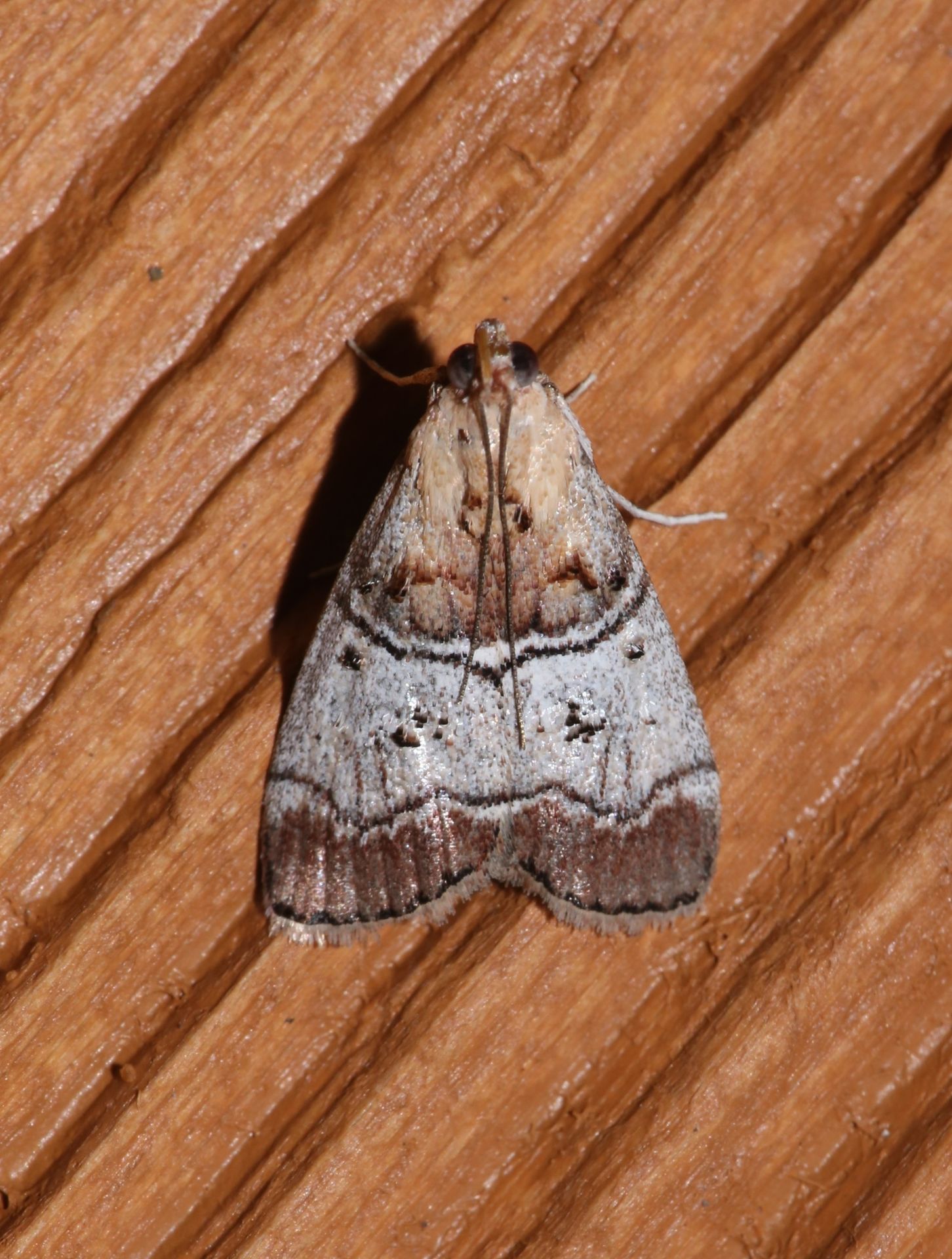
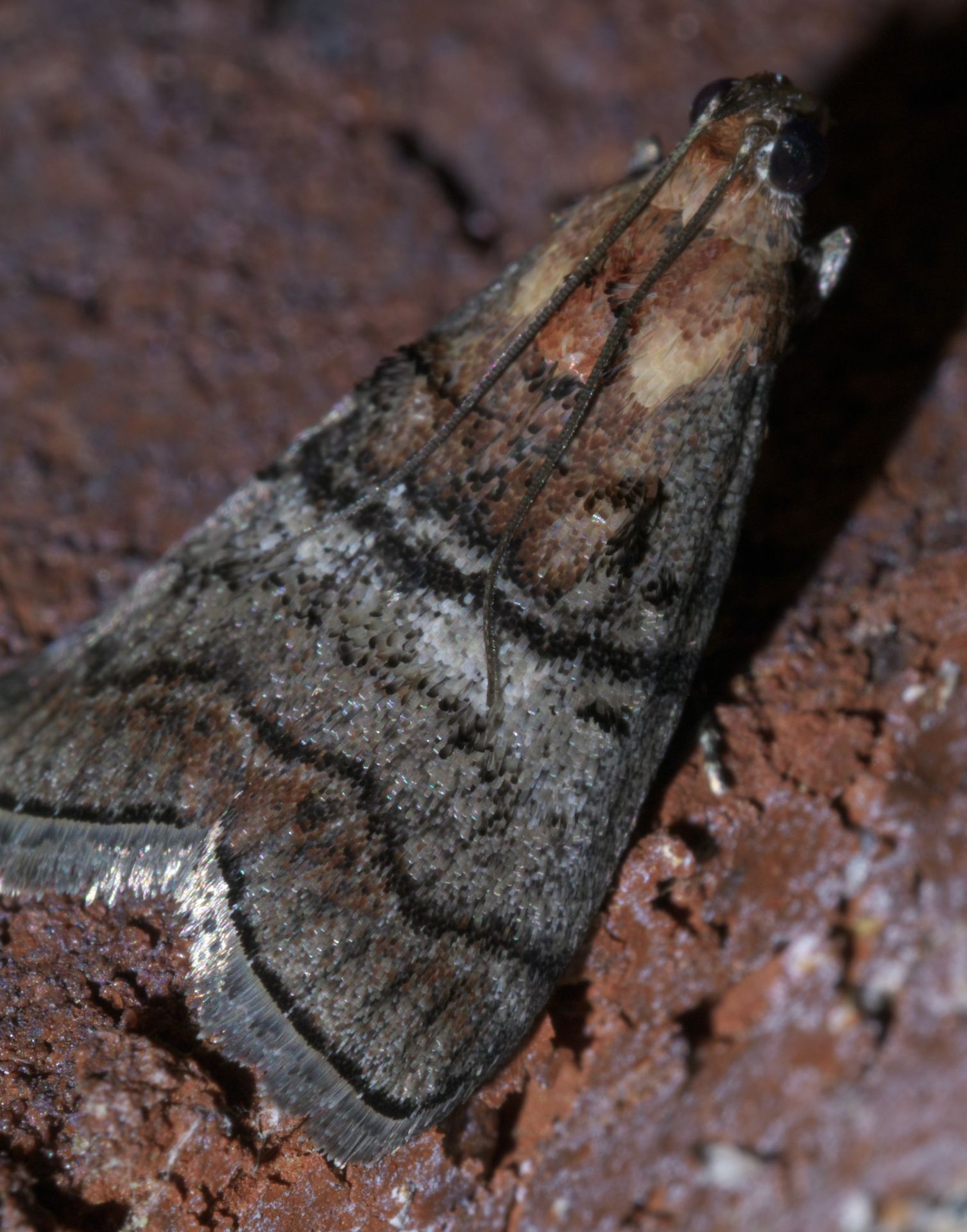
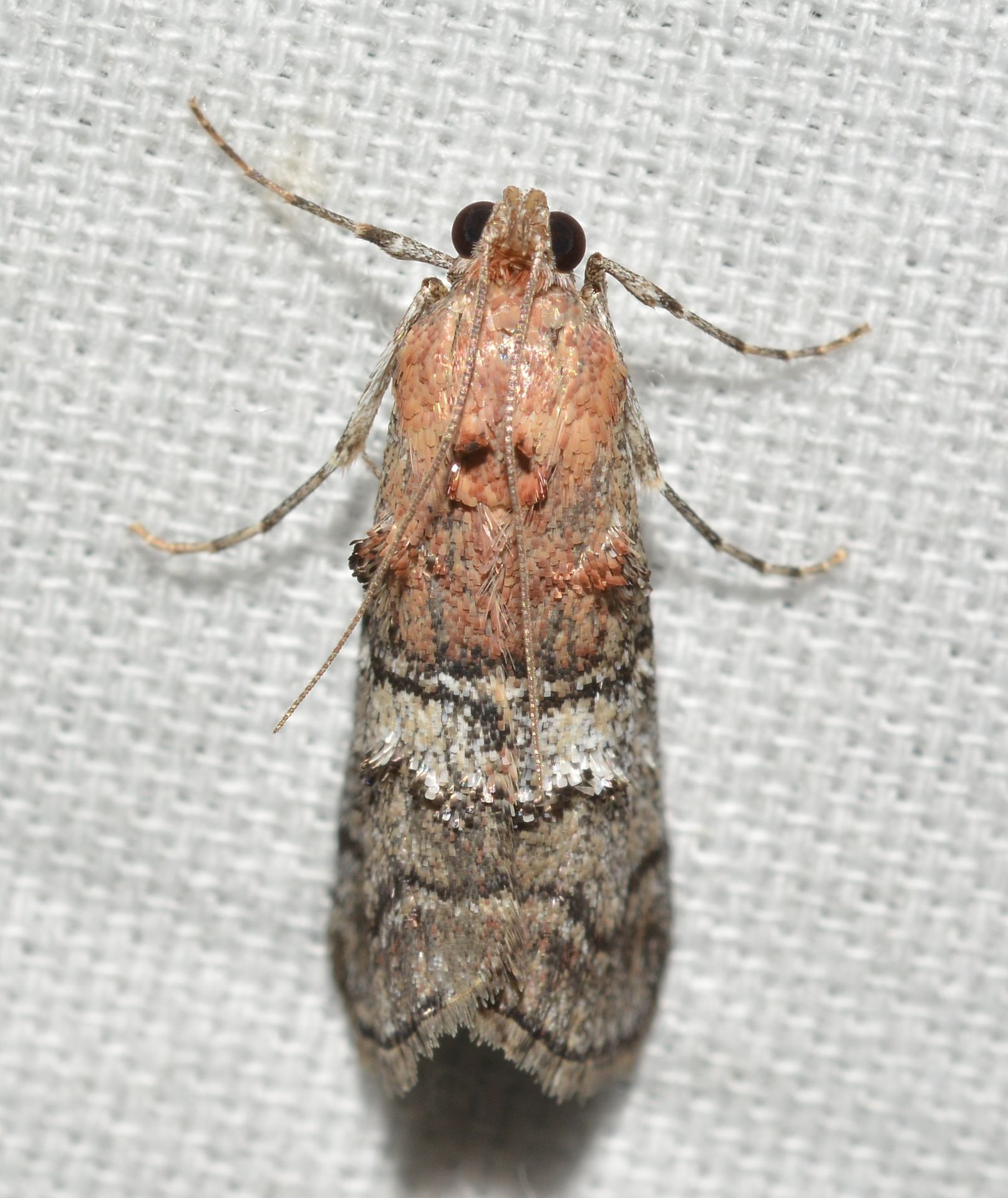
Pococera maritimalis is a of pyralid in the Pyralidae, Epipaschiinae. It was described by McDunnough in 1939. The species is assigned MONA/Hodges number 5603. It belongs to a whose larvae are known to feed on tree foliage, particularly as leafrollers.
Pronunciation
How to pronounce Pococera maritimalis: //poʊkoʊˈsɛrə ˌmærɪˈtɪməlɪs//
These audio files are automatically generated. While they are not always 100% accurate, they are a good starting point.
Identification
The Gray-banded Pococera can be distinguished from similar Pococera by the specific epithet "maritimalis" and its associated gray-banded pattern. For precise identification, examination of genitalia or molecular methods may be required, as many Epipaschiinae are morphologically similar.
Images
Habitat
As a member of the Epipaschiinae, this is associated with wooded where larval plants occur. The specific epithet "maritimalis" suggests a possible association with coastal or maritime-influenced environments, though this has not been confirmed.
Distribution
Recorded from Vermont and other parts of the eastern United States. Distribution records are sparse; additional survey work is needed to establish the full range.
Diet
Larvae of related Pococera feed on tree foliage, particularly as leafrollers. The specific plants for P. maritimalis have not been documented.
Ecological Role
As a leafroller , larvae likely contribute to nutrient cycling in forest and serve as prey for and other natural enemies. The has been documented as prey for the assassin bug Acholla multispinosa.
Human Relevance
The has minimal direct human relevance. It is not known to be an agricultural pest, though related species in the can occasionally reach pest status on ornamental trees.
Similar Taxa
- Pococera asperatellaSimilar size and appearance as a congeneric pyralid ; both are in the Pococera and Epipaschiinae, requiring careful examination for separation
- Pococera robustellaAnother congeneric with similar as a tree-feeding leafroller; morphological differences in wing pattern and genitalia distinguish the species
More Details
Taxonomic History
Originally described as Tetralopha maritimalis McDunnough, 1939, later transferred to the Pococera. The basionym reflects historical classification within a now-synonymized genus.
Research Needs
Basic natural history information including larval plants, complete distribution, and seasonal remain undocumented for this . Most information is inferred from related .