
Herpetogramma fluctuosalis
Greater Sweet Potato Webworm Moth
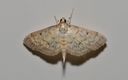
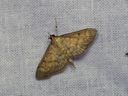
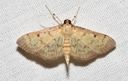
Herpetogramma fluctuosalis, commonly known as the greater sweet potato webworm , is a crambid moth distributed across the southeastern United States, Mexico, and the West Indies. have a wingspan of 22–25 mm and are active primarily from April through July, with additional activity in October and December in Florida. The is associated with agricultural and natural where its larval plants occur.
Pronunciation
How to pronounce Herpetogramma fluctuosalis: /hɛrˌpɛtoʊˈɡræmə ˌflʌktʃuˈoʊsælɪs/
These audio files are automatically generated. While they are not always 100% accurate, they are a good starting point.
Identification
The can be distinguished from similar Herpetogramma species by a combination of geographic distribution and, where possible, genitalia dissection. In the United States, it overlaps with other Herpetogramma species in the Southeast; H. phaeopteralis (tropical ) is a similar that may occur in overlapping ranges. Accurate identification often requires examination of morphological characters not visible in field observations.
Images
Appearance
have a wingspan of 22–25 mm. The exhibits the general body plan typical of Crambidae, with slender bodies and wings held in a characteristic resting posture. Specific coloration and pattern details are not well documented in available sources.
Habitat
Found in environments where larval plants occur, including agricultural settings and natural areas. The presence of Boehmeria cylindrica (false nettle) and Ipomoea batatas (sweet potato) indicates association with both disturbed agricultural and native vegetation .
Distribution
United States: Maryland to Florida, west to Texas. Also recorded from Mexico and the West Indies.
Seasonality
are on wing from April to July in the general range; in Florida, additional periods occur in October and December.
Diet
Larvae feed on Boehmeria cylindrica (false nettle) and Ipomoea batatas (sweet potato). feeding habits are not documented.
Host Associations
- Boehmeria cylindrica - larval food plantFalse nettle; native
- Ipomoea batatas - larval food plantSweet potato; agricultural
Life Cycle
Complete with , larva, pupa, and stages. Specific details of egg placement, larval instars, site, and time are not documented.
Behavior
Larvae are known to feed on living plant tissue; specific behavioral details such as web-spinning, activity patterns, or mating are not documented.
Ecological Role
Larval herbivore; contributes to nutrient cycling through consumption of plant . levels on native are presumably regulated by natural enemies, though these are not documented.
Human Relevance
Minor agricultural pest on sweet potato (Ipomoea batatas); the reflects this association. Economic impact appears limited compared to other lepidopteran pests of the crop.
Similar Taxa
- Herpetogramma phaeopteralisSimilar congeneric in the Crambidae; both species occur in overlapping geographic ranges and share general body plan and size range
- Other Herpetogramma species contains multiple similar-appearing often requiring dissection for definitive identification