Eudonia heterosalis
McDunnough, 1961
McDunnough's Eudonia
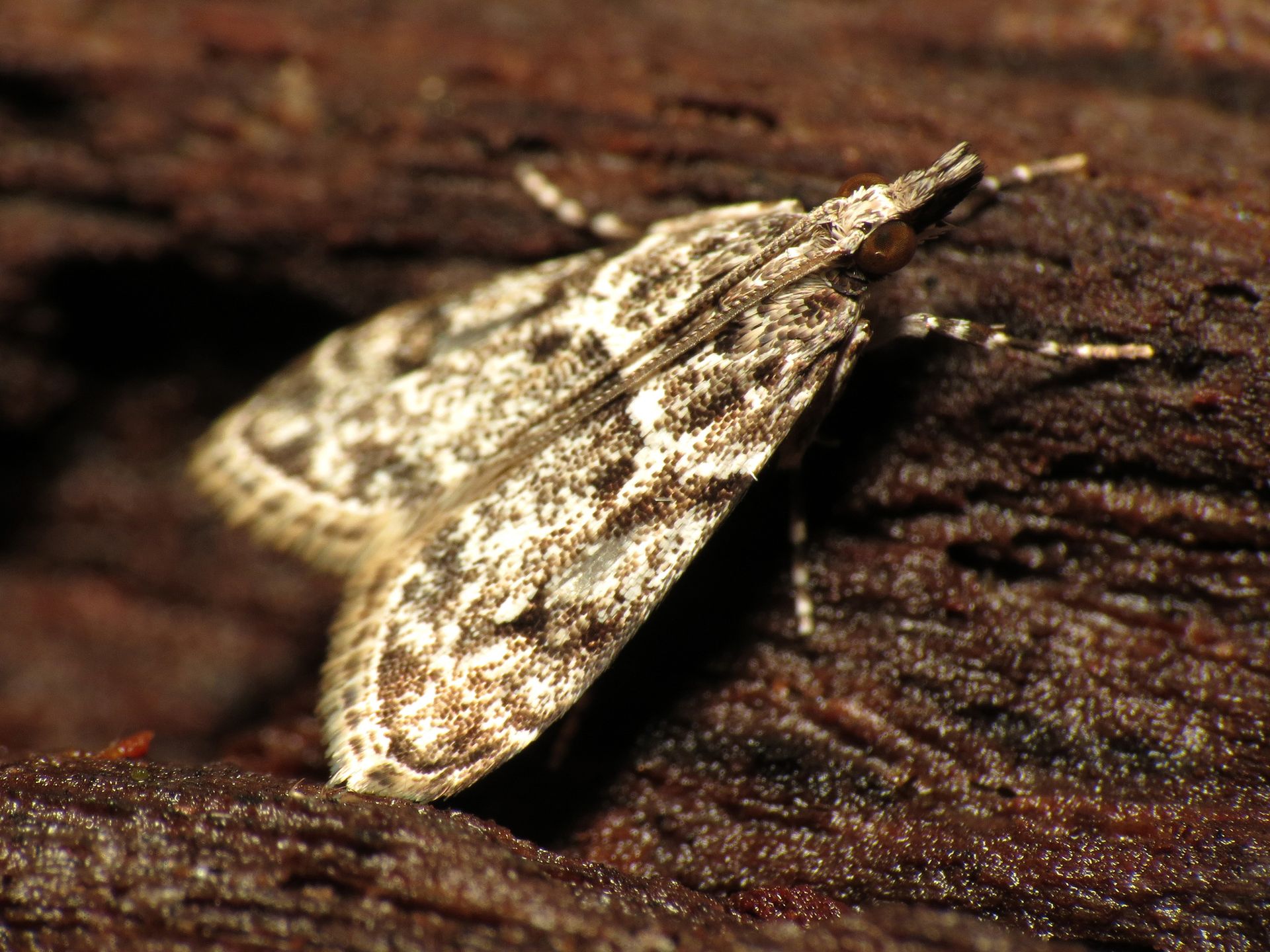
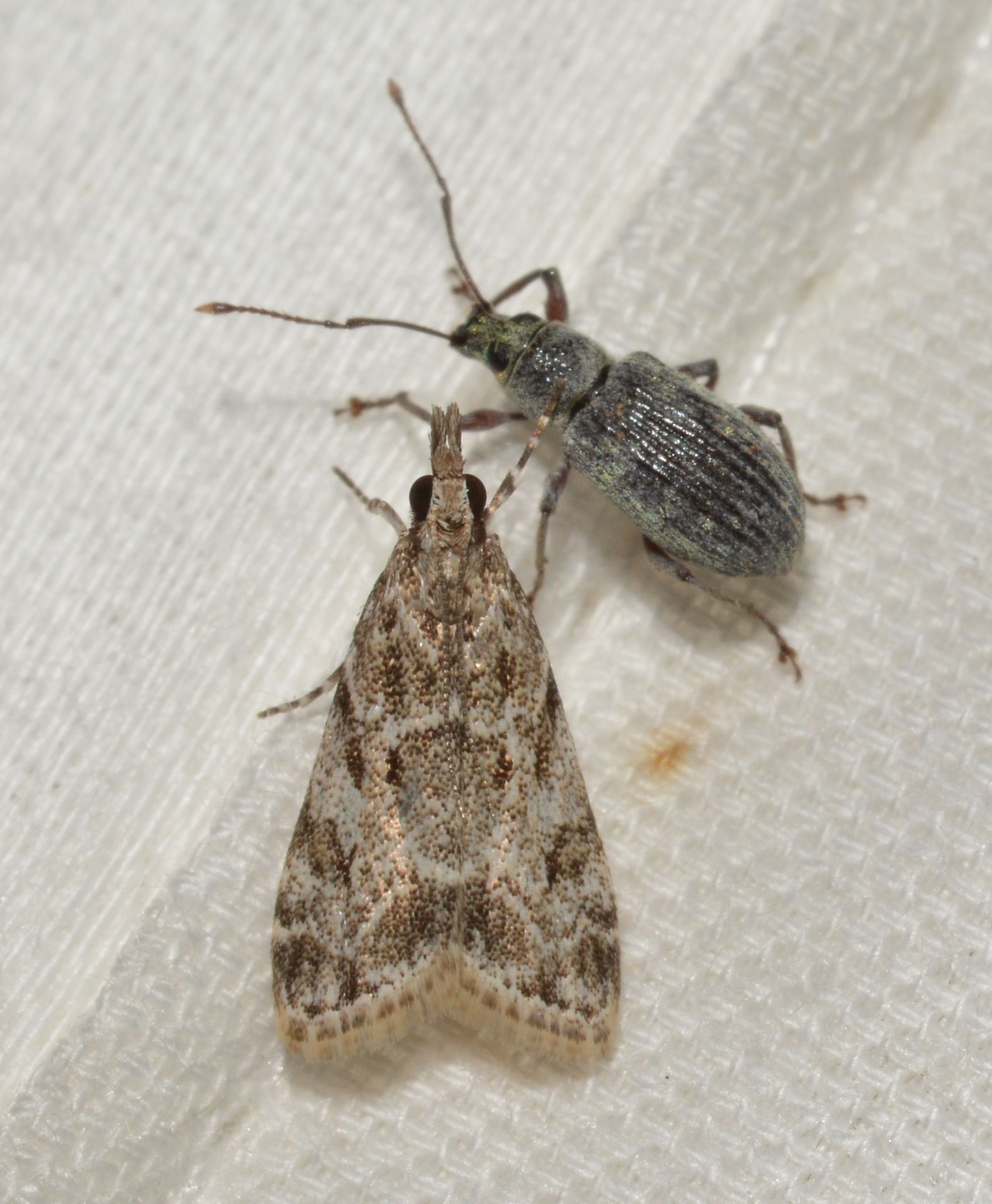
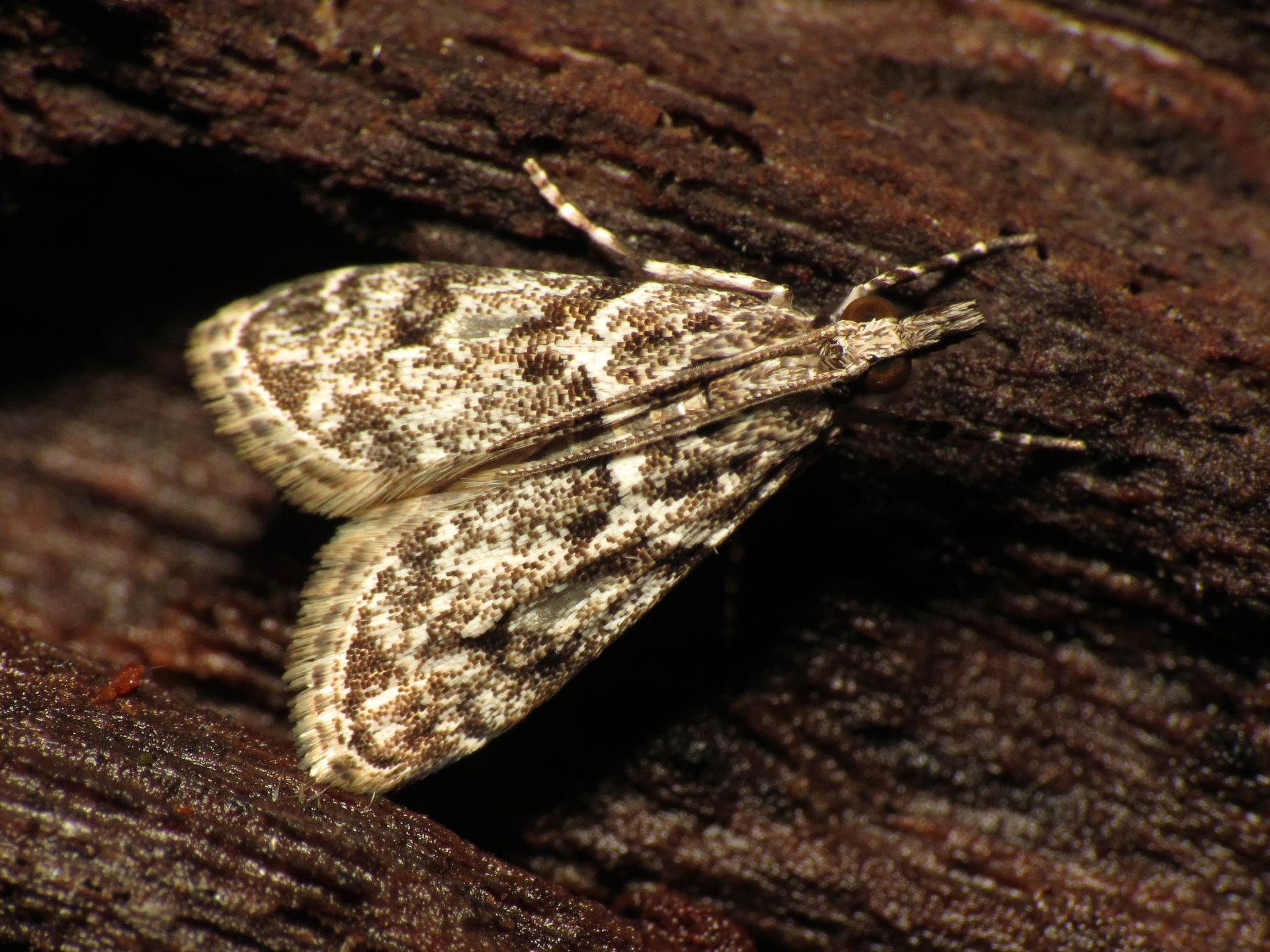
Eudonia heterosalis is a small crambid native to eastern North America, ranging from the Canadian Maritimes and Ontario southward to the Gulf Coast. It was described by James Halliday McDunnough in 1961. The shows broad seasonal activity, with recorded across most months of the year.
Pronunciation
How to pronounce Eudonia heterosalis: /juːˈdoʊniə ˌhɛtɪroʊˈseɪlɪs/
These audio files are automatically generated. While they are not always 100% accurate, they are a good starting point.
Identification
The small size (wingspan ~13 mm) distinguishes it from larger crambid . Within Eudonia, identification to level requires examination of genitalia or detailed wing pattern analysis; visual separation from congenerics based on external features alone is unreliable. The broad geographic range overlapping with multiple similar Eudonia species necessitates expert verification.
Images
Appearance
Wingspan approximately 13 mm. As a member of the Eudonia, it likely exhibits the narrow, elongated forewings and relatively plain coloration typical of the group, though specific pattern details for this are not well documented in available sources.
Distribution
Eastern North America: Nova Scotia to Ontario and southern Quebec, south to Louisiana and Florida. Distribution records include Vermont.
Seasonality
active February through November, indicating potential multivoltine or extended period with possible in adult stage.
Similar Taxa
- Eudonia lacustrataOverlapping range in northeastern North America; similar size and general appearance; requires dissection or detailed pattern analysis for reliable separation.
- Eudonia mercurellaEuropean sometimes referenced in comparison; E. heterosalis distinguished by Nearctic distribution and subtle structural differences.
- Other Eudonia speciesThe contains numerous small, morphologically similar ; many require genitalic examination for definitive identification.
More Details
Taxonomic History
Originally described as Eudoria heterosalis by McDunnough in 1961, subsequently transferred to Eudonia. The basionym reflects early 20th century classification practices for this group.
Observation Data
iNaturalist records indicate substantial citizen science documentation (over 6,000 observations), suggesting the is relatively common and detectable within its range, though identification confidence varies.