
Epicorsia oedipodalis
Guenée, 1854
Fiddlewood Leafroller, Seagrape Moth
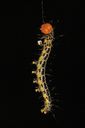
Epicorsia oedipodalis is a crambid known from the Caribbean and southeastern United States. Its larvae are notable for rolling leaves of plants to create sheltered retreats and sites. The has been documented feeding on several plant including Citharexylum, Coccoloba, and Nectandra. In Florida, larval can cause complete defoliation of fiddlewood shrubs, though plants typically recover with new growth.
Pronunciation
How to pronounce Epicorsia oedipodalis: /ɛpɪˈkɔːrsiə ˌoʊdɪpəˈdeɪlɪs/
These audio files are automatically generated. While they are not always 100% accurate, they are a good starting point.
Identification
Distinguished from similar crambid by geographic distribution (Caribbean and southeastern US) and association with specific plants (Citharexylum, Coccoloba, Nectandra). Larvae are recognized by their leaf-rolling on these hosts.
Images
Appearance
have a wingspan of approximately 38 mm. Detailed coloration and pattern description not available in source material.
Habitat
Associated with plant including fiddlewood (Citharexylum) and seagrape (Coccoloba) in subtropical and tropical regions. Specific types not described beyond host plant presence.
Distribution
Jamaica, Haiti, Cuba, Cayman Islands, Bahamas, and US states of Florida and Georgia.
Seasonality
active February to May and August to December in the southern United States. Caribbean seasonality not specified.
Diet
Larvae feed on leaves of Citharexylum, Coccoloba (including C. uvifera, seagrape), and Nectandra coriacea. : diet not documented.
Host Associations
- Citharexylum fruticosum - larval fiddlewood; primary in Florida
- Coccoloba uvifera - larval seagrape
- Nectandra coriacea - larval
Life Cycle
Larvae construct rolled leaf shelters that serve as retreats and pupal cocoon locations. Specific details of and pupal stages not documented.
Behavior
Larvae roll leaves of plants to create protected shelters. This serves dual purposes as feeding and site. can completely defoliate individual host plants.
Ecological Role
Larvae serve as a valuable food source for nestling birds during Florida's spring dry season. As a leaf-feeding herbivore, it contributes to nutrient cycling and may influence plant growth dynamics, though defoliation is typically non-lethal to established plants.
Human Relevance
Considered a minor pest of ornamental fiddlewood in Florida. Defoliation is temporary and plants recover; no permanent damage or economic impact documented. No control measures typically required.
Similar Taxa
- Other Epicorsia speciesSame ; would require examination of genitalia or molecular data for definitive separation
- Other Pyraustinae leafrollersSimilar larval ; distinguished by plant specificity and geographic range
More Details
Taxonomic Note
placement has been treated as both Crambidae and Pyralidae in different classifications; currently accepted in Crambidae, Pyraustinae.
Suggested Common Names
Fiddlewood Leafroller and Seagrape Moth are suggested reflecting primary associations.