
Epicorsia
Hübner, 1818
Fiddlewood Leafroller, Seagrape Moth
Species Guides
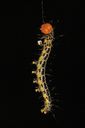
1- Epicorsia oedipodalis(Fiddlewood Leafroller)
Epicorsia is a of in the Crambidae, Pyraustinae. The genus contains approximately nine described distributed across the Caribbean and southeastern United States. The best-documented species, Epicorsia oedipodalis, is known for its leaf-rolling larval on native shrubs. Larvae serve as an important food source for birds during seasonal dry periods.
Pronunciation
How to pronounce Epicorsia: /ˌɛpɪˈkɔːrsiə/
These audio files are automatically generated. While they are not always 100% accurate, they are a good starting point.
Images
Habitat
Associated with native shrubs and woodland areas in subtropical and tropical regions. Epicorsia oedipodalis has been documented in Florida native shrub , particularly areas supporting fiddlewood (Citharexylum fruticosum) and seagrape.
Distribution
Southern Florida; Cuba; Cayman Islands; Jamaica; Hispaniola; Bahamas; Turks and Caicos Islands. The appears to be primarily Caribbean in distribution with northern extension into peninsular Florida.
Seasonality
Larval activity of Epicorsia oedipodalis has been observed during the spring dry season in Florida.
Diet
Larvae of Epicorsia oedipodalis feed on leaves of plants including fiddlewood (Citharexylum fruticosum) and seagrape.
Host Associations
- Citharexylum fruticosum - larval fiddlewood; association from literature
- Coccoloba uvifera - larval seagrape; association from literature
Life Cycle
Larvae construct rolled-leaf shelters that serve as retreats and as locations for pupal cocoons. occurs within these silk-bound rolled leaves.
Behavior
Larvae exhibit leaf-rolling , binding leaves with silk to create protective shelters. This behavior has been observed to cause complete defoliation of shrubs, though plants typically recover with new leaf flushes.
Ecological Role
Larvae of Epicorsia oedipodalis serve as a valuable food source for baby birds during the spring dry season in Florida, providing a critical prey resource when other food sources may be limited.
Human Relevance
Epicorsia oedipodalis is considered a minor pest of ornamental fiddlewood in Florida. While capable of complete defoliation, damage is temporary and non-permanent; control is rarely necessary. The has been studied as an example of native insect-native plant interactions in suburban .
Similar Taxa
- Other Pyraustinae leafrollersSimilar leaf-rolling larval ; Epicorsia distinguished by plant associations and geographic distribution in the Caribbean/Florida region.