Anania mysippusalis
Walker, 1859
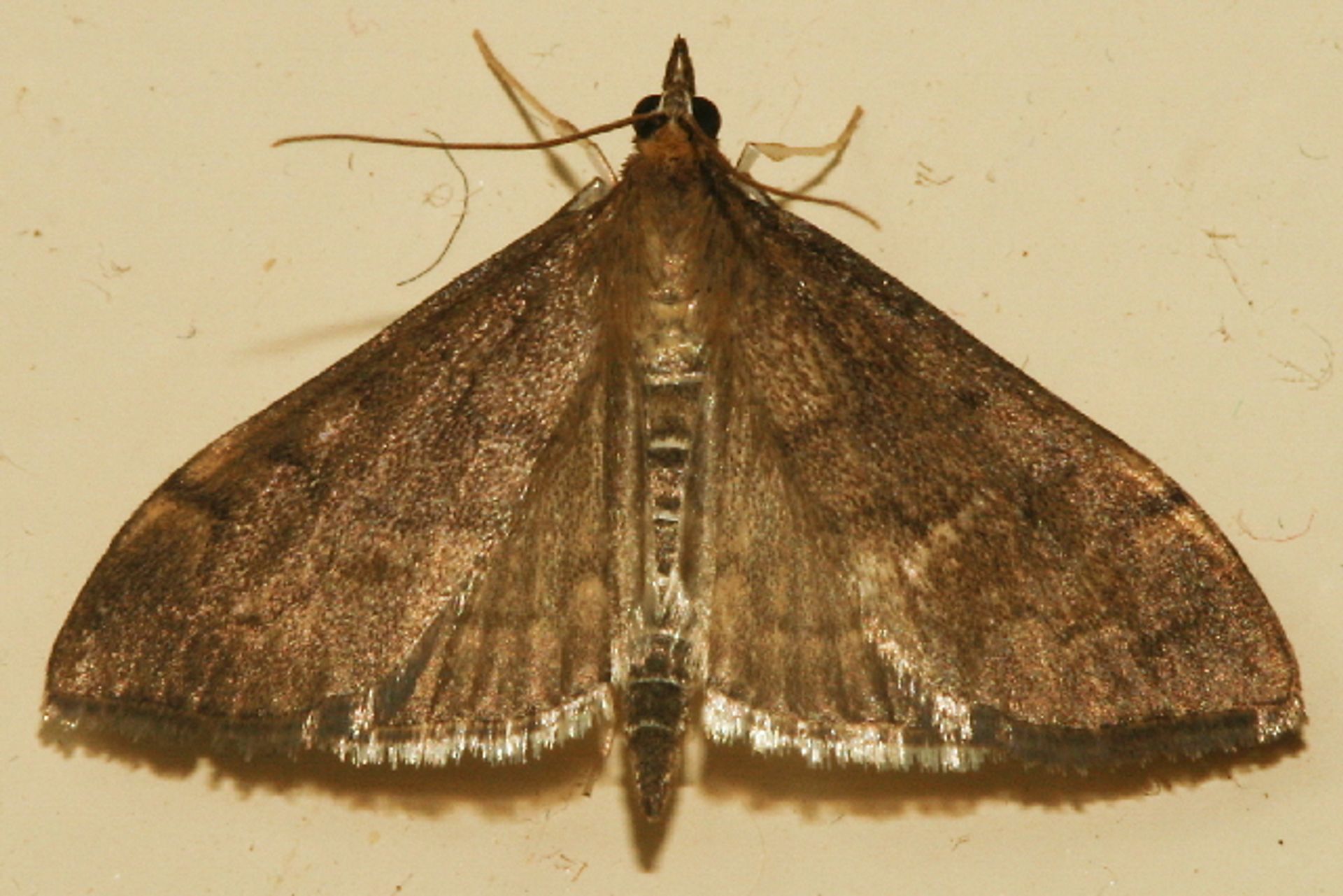
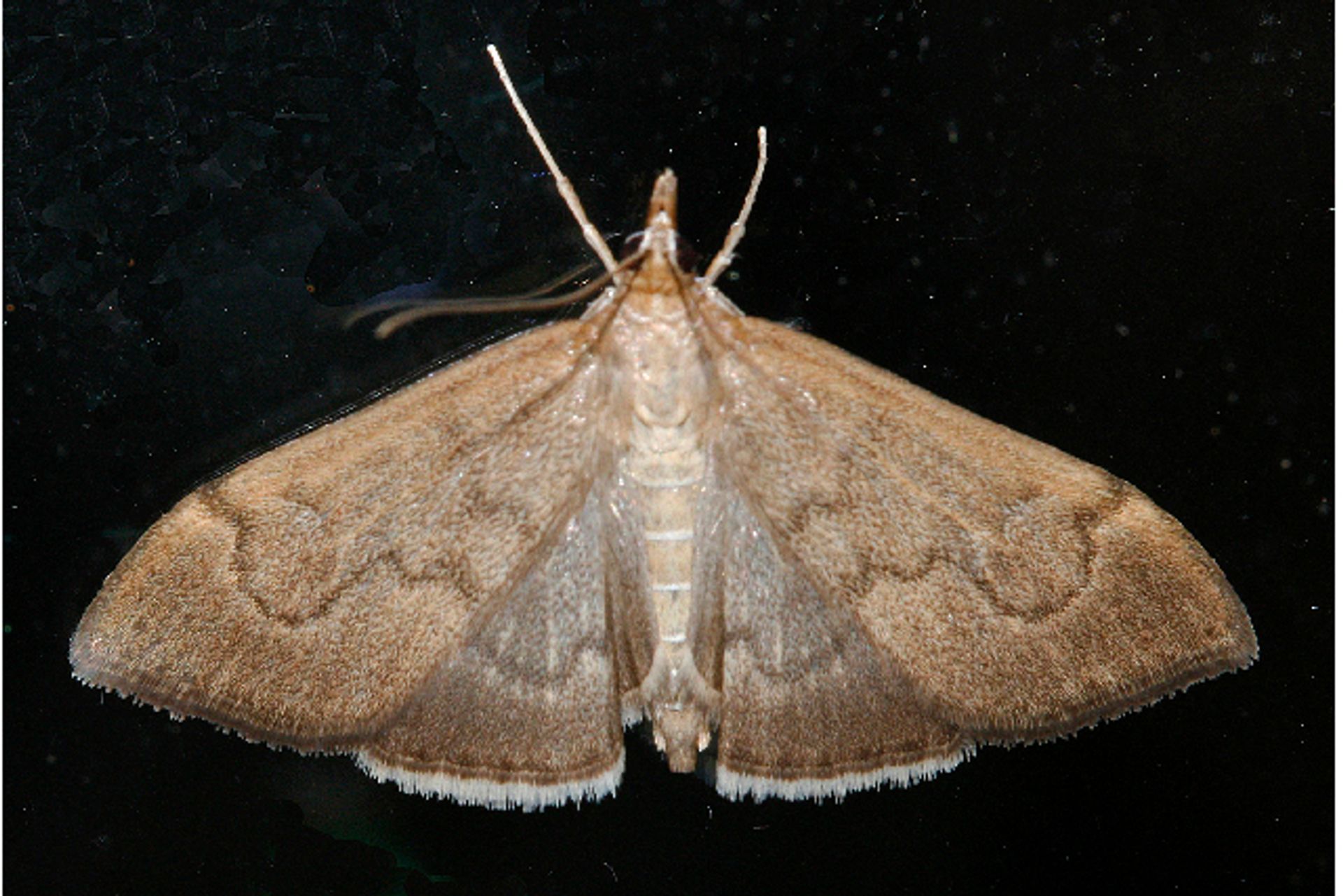
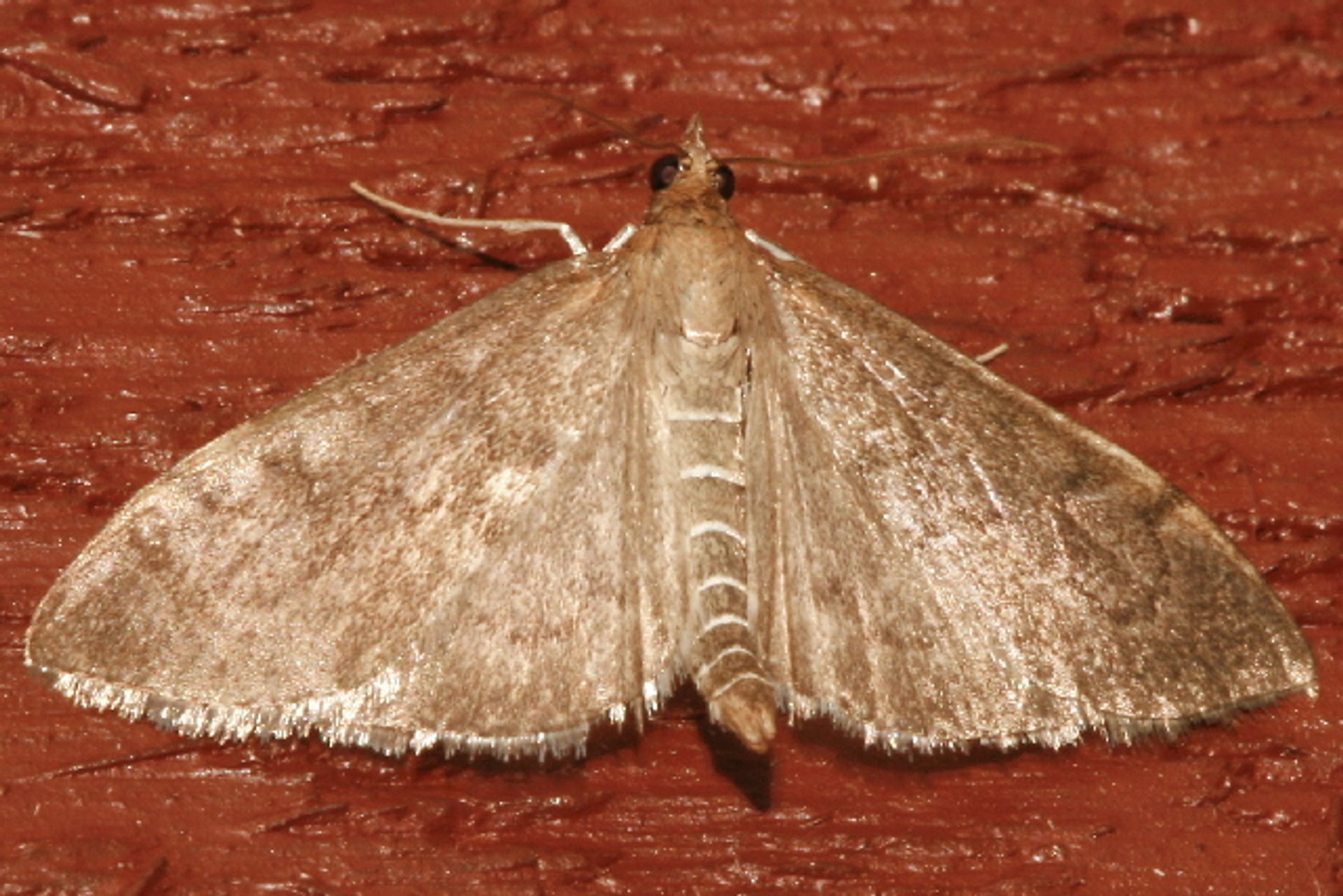
Anania mysippusalis is a of snout moth (Crambidae) first described by Francis Walker in 1859. It is broadly distributed across North America, with records spanning from the Atlantic to the Pacific coasts. The species has been documented in agricultural contexts where it may be mistaken for other crambid .
Pronunciation
How to pronounce Anania mysippusalis: //əˈneɪ.ni.ə ˌmaɪ.sɪp.juˈsæl.ɪs//
These audio files are automatically generated. While they are not always 100% accurate, they are a good starting point.
Identification
The may be confused with other small crambid in agricultural settings. Geometric morphometric analysis of wing venation patterns has been used to distinguish related crambid species, though specific diagnostic features for A. mysippusalis have not been documented.
Images
Appearance
have a wingspan of approximately 26 mm. Detailed morphological descriptions beyond wingspan are not available in the provided sources.
Distribution
Recorded from Nova Scotia to British Columbia, Canada. In the western United States, found south to California and Arizona. Additional records from Alberta, Manitoba, Saskatchewan (Canada), and Vermont (USA).
Seasonality
are on wing from May to August in California.
Human Relevance
The has been collected in studies comparing crambid identification methods, where it was used alongside Anania hortulata, Sitochroa verticalis, and Pleuroptya ruralis to develop geometric morphometric techniques for distinguishing pest species from similar-looking moths.
Similar Taxa
- Anania hortulataCollected in comparative studies; similar size and wing patterning in crambid
- Sitochroa verticalisCollected in comparative studies; overlaps in and seasonal activity
- Pleuroptya ruralisCollected in comparative studies; similar crambid
More Details
Taxonomic history
Described by Francis Walker in 1859, with authorship sometimes cited as Walker, 1859.